For decades, dental insurance in the United States has remained largely stagnant, often feeling like a capped discount plan rather than true health coverage. However, 2026 is emerging as a historic turning point. Driven by legislative momentum across several states and the rapid integration of artificial intelligence into clinical diagnostics, the way Americans pay for and receive oral healthcare is undergoing its most significant transformation since the 1970s.
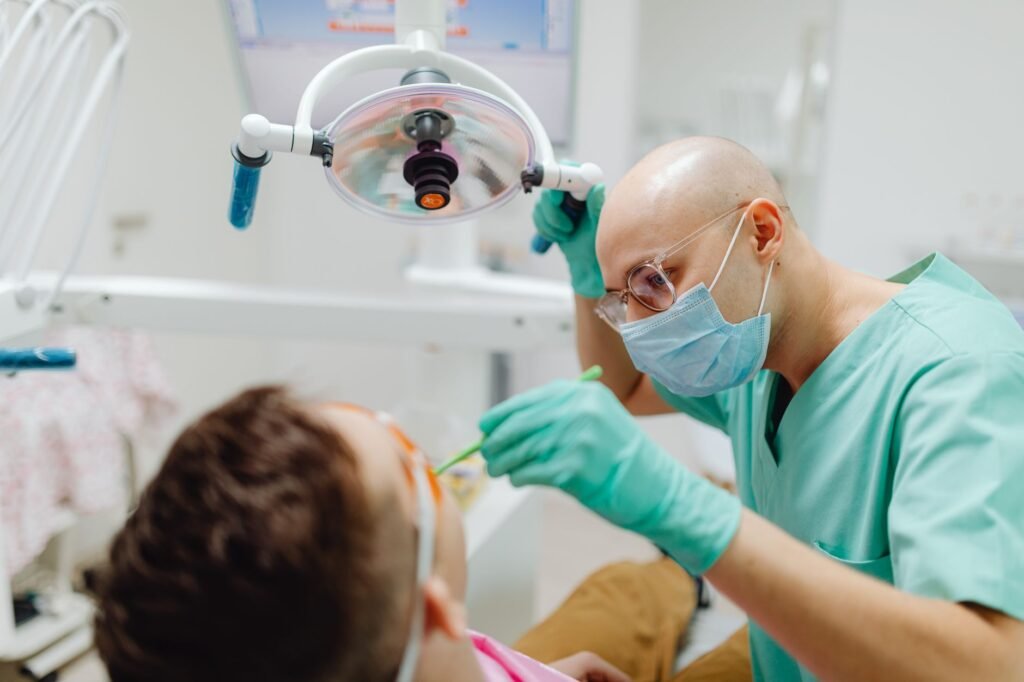
Patients are no longer just looking for a standard cleaning; they are navigating a complex landscape where “luxury” dental experiences are becoming mainstream, and state-level insurance reforms are finally demanding more transparency from providers. Whether you are an employer choosing a benefits package or an individual looking to maximize your health savings, understanding the 2026 dental landscape is essential for protecting both your smile and your wallet.
In this guide, we break down the legislative shifts, the technological advancements lowering costs, and the practical strategies you need to navigate dental insurance changes in 2026.
The Medical Loss Ratio Revolution
The most impactful change arriving in 2026 is the widespread adoption of Medical Loss Ratio (MLR) requirements for dental insurance. Historically, dental insurers were not held to the same standards as medical insurers under the Affordable Care Act. This meant a significant portion of your premiums could go toward administrative costs and executive bonuses rather than actual patient care.
According to the American Dental Association (ADA), several states are following the trail blazed by Massachusetts, implementing rules that require dental insurers to spend at least 80% to 85% of premiums on clinical care. If they fail to meet this threshold, they must issue rebates to policyholders. This shift is forcing insurers to provide better coverage for expensive procedures like crowns and root canals to ensure they hit their spending targets.
- Increased Transparency: Insurers must now report detailed spending data, making it easier for consumers to compare the “value” of different plans.
- Lower Premiums or Higher Limits: To comply with MLR laws, many insurers are raising annual maximums—the most a plan will pay in a year—which have been stuck at $1,500 for nearly 50 years.
- Rebate Checks: In states with active reform, 2026 may be the first year many Americans receive a refund check from their dental provider if care spending was too low.
AI and the Reduction of Diagnostic Costs
Artificial Intelligence is no longer a futuristic concept in dentistry; in 2026, it is a standard tool for cost management. New AI-driven diagnostic software can analyze X-rays with a level of precision that reduces human error and, more importantly for the consumer, validates the necessity of procedures for insurance claims.
Cloud-based dental platforms, recently recognized in the 2026 Dental Innovator Awards, are streamlining the way offices interact with insurers. When an AI confirms a cavity or a structural crack in a tooth, insurance companies are less likely to deny the claim, reducing the “back-and-forth” that often leaves patients with unexpected bills. Furthermore, these tools allow for earlier intervention, shifting the focus from expensive restorative work to more affordable preventive care.
The Continued Rise of Dental Tourism
Despite domestic reforms, the cost gap remains significant enough that millions of Americans are still looking beyond US borders. As reported by Axios, dental tourism is expected to hit record highs in 2026. High-quality clinics in Mexico, Costa Rica, and Turkey have optimized their services specifically for the US market, offering procedures like full-mouth implants for 50% to 70% less than domestic prices.
However, 2026 brings a new level of risk management to this trend. US-based insurers are beginning to offer “global rider” policies that provide some coverage or follow-up care for work done abroad, recognizing that patients will travel regardless of domestic incentives. If you are considering this route, ensure your 2026 policy includes provisions for “complication coverage” to avoid massive out-of-pocket expenses if an overseas procedure needs adjustment back home.
2026 Dental Coverage Comparison
| Feature | Traditional Plans (Pre-2026) | Modern Reform Plans (2026) |
|---|---|---|
| Annual Maximums | Typically $1,000 – $1,500 | Increasing to $2,500 – $3,500 |
| Diagnostic Accuracy | Manual X-ray review | AI-assisted verification |
| Premium Use | High administrative overhead | Regulated Medical Loss Ratio (80%+) |
| Preventive Care | Basic cleanings (2x year) | Focus on salivary testing & biometrics |
| Teledentistry | Limited or emergency only | Standard for triage and consultations |
Addressing the Dentist Shortage
A critical factor impacting your dental care in 2026 is the availability of providers. Many urban and rural areas are facing a shortage of practitioners, leading to longer wait times and higher prices. To combat this, legislative bodies in regions like Washington D.C. are moving to allow out-of-state practitioners to practice more freely across state lines.
For the patient, this means the rise of “Dental Service Organizations” (DSOs)—large networks of clinics that share resources. While this can sometimes feel less personal than a family dentist, DSOs are often the first to adopt the cost-saving technologies and expanded insurance networks that 2026 demands. If you live in a high-shortage area, checking if your plan supports out-of-state teledentistry could be a major time-saver.
Maximizing Your Dental Dollars in 2026
With the landscape shifting, your financial strategy for oral health needs an update. Relying solely on a workplace dental plan may no longer be the most efficient move. Integrating your dental care into your broader longevity and wellness plan is key to long-term health.
One of the best ways to handle the rising costs of advanced procedures is through a Health Savings Account. It is helpful to review the current HSA contribution limits to ensure you are setting aside enough pre-tax dollars to cover the gap between what insurance pays and the actual cost of high-tech care. Since oral health is a proven pillar of a longevity lifestyle, viewing these expenses as a long-term investment rather than a nuisance is a mindset shift taking hold in 2026.
The “Med-Spa” Dental Experience
Luxury dental care has moved from a niche celebrity service to a consumer-facing trend in 2026. High-end clinics are now offering “membership models” that bypass traditional insurance entirely. These offices provide a spa-like atmosphere, including noise-canceling headphones, aromatherapy, and even massage chairs, designed to reduce dental anxiety.
While the “fluff” is nice, the real value in luxury care lies in the technology. We are seeing more widespread use of 3D printing for same-day crowns and laser dentistry that eliminates the need for needles. For many professionals, the time saved by having a single-visit crown is worth the higher out-of-pocket cost associated with these boutique practices.
Conclusion: Preparing for Your 2026 Appointments
The dental industry is finally catching up to the rest of the healthcare world. The combination of state-enforced insurance transparency, AI diagnostics, and a focus on patient experience is making 2026 a better year for the American consumer. To make the most of these changes:
- Audit Your Plan: Check if your state has passed MLR reform and if your annual maximum has increased.
- Ask About AI: When visiting a new dentist, ask if they use AI-assisted diagnostics to help validate insurance claims.
- Consider Memberships: If you are self-employed or uninsured, look for dental membership plans which often offer better value than individual insurance in the current market.
By staying informed about these 2026 dental insurance changes, you can ensure that you receive high-quality care without the financial surprises that have plagued the industry for decades.
Watch: A Helpful Video Guide
https://www.youtube.com/watch?v=D-KOfA_6H9Y
Frequently Asked Questions
What is the Medical Loss Ratio (MLR) in dental insurance?
MLR is a regulatory rule requiring dental insurers to spend a high percentage (usually 80-85%) of premium dollars on actual patient care rather than administrative costs. If they spend less, they must issue rebates to policyholders.
How is AI changing my dental bill in 2026?
AI assists in more accurate diagnostics, which helps prove the necessity of a procedure to insurance companies, leading to fewer denied claims and faster approvals.
Why are annual dental insurance maximums finally going up?
New state laws and competition from membership-based models are forcing traditional insurers to increase their yearly coverage limits, which had been stagnant for decades.
Is dental tourism still a viable option in 2026?
Yes, millions of Americans still travel to countries like Mexico and Turkey for major procedures, as costs can be 50-70% lower than in the U.S., though it requires careful research into complication coverage.
Can I use my HSA for luxury dental treatments?
Yes, as long as the treatment is considered medically necessary (like a crown or implant). purely cosmetic procedures like teeth whitening are generally not HSA-eligible.