
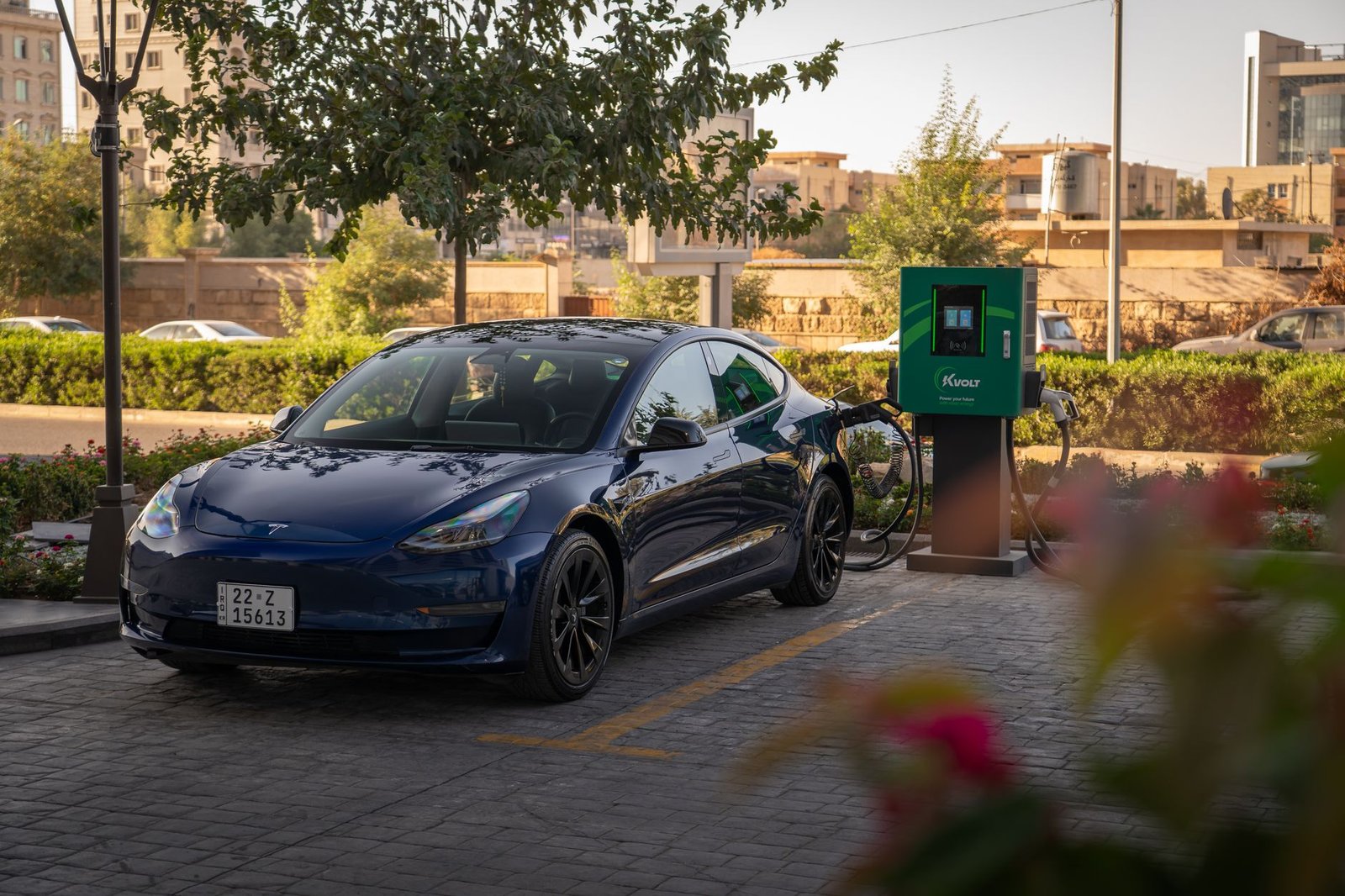
As we pass the midpoint of 2026, the landscape of electric vehicle (EV) ownership in the United States has undergone a seismic shift. The initial rollout of the National Electric Vehicle Infrastructure (NEVI) program has matured, and with it, a stringent new set of EV charging station rules 2026 has come into full effect. These regulations are designed to eliminate the ‘Wild West’ atmosphere of early public charging, replacing it with standardized reliability, transparent pricing, and universal connector access.
For the average driver, these changes mean that the days of arriving at a broken charger or being surprised by hidden ‘session fees’ are largely over. However, staying compliant and maximizing your savings requires an understanding of how federal and state laws now govern both public and residential charging equipment. This guide breaks down the essential updates every EV owner must know this year.
The 97 Percent Reliability Mandate
The most significant development in 2026 is the strict enforcement of the federal reliability mandate. Under the NEVI Formula Program, any charging station receiving federal funding must now maintain a 97% uptime. This rule, which was introduced in earlier phases of the infrastructure bill, has reached its primary enforcement window this July.
Previously, uptime was often self-reported and loosely defined. In 2026, the Department of Transportation (DOT) has implemented automated reporting requirements. If a station is down for more than a cumulative 11 days per year, the operator faces significant financial penalties and a loss of future federal subsidies. This has forced major networks like Electrify America, EVgo, and ChargePoint to overhaul their maintenance schedules and hardware redundancy.
What Counts as Uptime?
The 2026 standards define ‘uptime’ as the charger being fully functional and capable of delivering its rated power output. This prevents ‘ghost chargers’—stations that appear online in an app but fail to initiate a charge once the driver plugs in. According to the latest Federal Highway Administration guidelines, operators must now provide real-time status updates to the National Renewable Energy Laboratory (NREL) database, which feeds into third-party navigation apps like Google Maps and Apple Maps.
Standardized Pricing and Transparent Fees
Consumer protection is at the heart of the EV charging station rules 2026. One of the most frustrating aspects of early EV adoption was the lack of price transparency. Many stations charged by the minute rather than by the kilowatt-hour (kWh), leading to drastically different costs depending on a vehicle’s charging speed or ambient temperature.
As of mid-2026, federal rules now require:
- kWh Pricing: In almost all states, charging networks are now required to bill by the kWh, ensuring you pay for the actual energy delivered, not just the time spent plugged in.
- On-Site Pricing Displays: Similar to a traditional gas station, fast-charging hubs are now required to display pricing on a physical screen or sign, visible before the driver initiates the session.
- Idle Fee Caps: While ‘idle fees’ (charged when a car remains plugged in after it finishes charging) are still legal to encourage turnover, new consumer protection laws cap these fees to prevent predatory billing practices.
For drivers looking to optimize their costs, it is important to remember that EV Tax Credit 2025 rules have also influenced how manufacturers integrate charging hardware, often including a set amount of free charging with new vehicle purchases. Ensure your vehicle’s software is updated to reflect these 2026 pricing agreements.
The Universal Connector: NACS Becomes the Law of the Land
2026 marks the year the industry-wide transition to the North American Charging Standard (NACS)—originally developed by Tesla—is finalized for nearly all new vehicles sold in the US. While the Combined Charging System (CCS) ports still exist on older vehicles, the vast majority of public chargers installed this year are NACS-native.
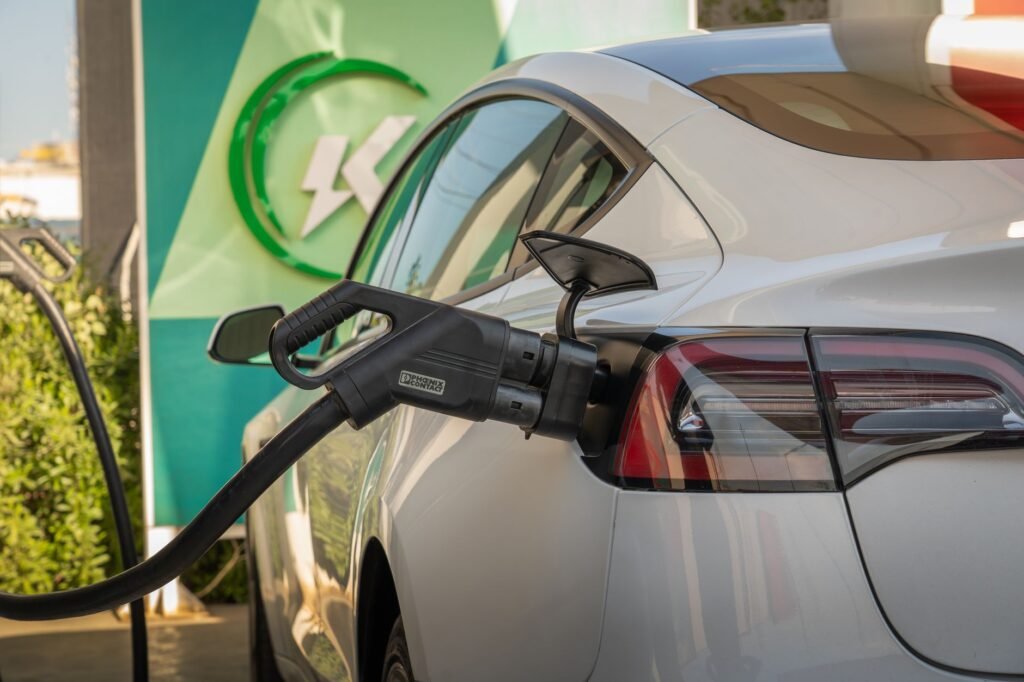
The new rules require that any federally funded charging hub must have at least four ports capable of simultaneous charging. Furthermore, most states have now mandated that these stations provide either a native NACS connector or a permanently attached adapter. This ensures that whether you drive a Ford, GM, Rivian, or Tesla, you can use any station without carrying a trunk full of plastic adapters.
Impact on Charging Speeds
With the NACS standardization comes a requirement for higher minimum power levels. New ‘National Corridor’ chargers must now provide at least 150 kW per port simultaneously. This eliminates the ‘power sharing’ issues of the past, where your charging speed would drop by half if another car plugged in next to you.
Public vs. Private: Comparison of Charging Levels in 2026
Understanding the difference between charging levels is crucial for managing your time and electricity bill. The 2026 hardware updates have improved the efficiency of all three categories.
| Feature | Level 1 (Residential) | Level 2 (Home/Work) | Level 3 (DC Fast) |
|---|---|---|---|
| Voltage | 120V | 240V | 400V – 1000V |
| Charge Speed | 3-5 miles per hour | 25-40 miles per hour | 100-250+ miles in 20 mins |
| Primary Use | Emergency / Low-use | Daily home charging | Road trips / Rapid refill |
| 2026 Standards | Basic Safety Listing | Smart-grid ready | 97% Uptime Mandate |
Home Charging Rules and 2026 Incentives
While public infrastructure gets the headlines, over 80% of EV charging still happens at home. In 2026, the EV charging station rules 2026 have expanded to include building codes and electrical safety standards for residential installations. If you are installing a new charger this year, it must be ‘Smart Grid’ compliant in many jurisdictions. This allows utility companies to balance the grid by slightly throttling charging during peak hours (e.g., 5:00 PM to 9:00 PM) in exchange for lower electricity rates.
The federal government has also extended the Section 30C tax credit for 2026. This allows residents in eligible low-income or non-urban areas to claim a credit of 30% of the cost of hardware and installation, up to $1,000. Additionally, many utilities are now offering ‘Managed Charging’ rebates, where they provide the hardware for free if the driver agrees to charge during off-peak windows.
When calculating your total cost of ownership, don’t forget to account for how these charging habits affect your business deductions. The IRS Business Mileage Rate 2025 and its 2026 successor provide a flat rate that covers the cost of electricity used for business travel, provided you keep accurate logs of your charging sessions.
State-Specific Rules: California and New York Lead the Way
Beyond federal mandates, several states have introduced even stricter EV charging station rules 2026. California, for instance, has officially banned the installation of any new public charger that does not include a physical credit card reader. This is a direct response to complaints that app-based charging is unreliable in areas with poor cellular service.
New York has implemented ‘Right to Charge’ laws in 2026, which prevent homeowners’ associations (HOAs) and landlords from unreasonably denying a resident the ability to install a Level 2 charger. If you live in a multi-unit dwelling, these laws are your strongest tool for securing home charging access.
Checklist: Getting Ready for the 2026 Charging Standards
To ensure you aren’t caught off guard by the new regulations, follow this checklist for the second half of 2026:
- Verify Payment Methods: Update your charging apps with current credit card info, but always carry a physical RFID card or credit card, as new rules require hardware-based payment backup.
- Audit Your Home Setup: Ensure your home charger’s firmware is updated to comply with new utility-managed charging programs.
- Review HOA Rights: If you rent or live in a condo, check your state’s latest ‘Right to Charge’ statutes to see if you are entitled to subsidized installation.
- Check for Recalls: 2026 has seen a surge in ‘Buy America’ compliance audits. Ensure your charger hasn’t been flagged for non-compliant internal components that could affect its warranty.
The Future: V2G and Bi-Directional Charging
Looking toward the end of 2026 and into 2027, the focus is shifting to Vehicle-to-Grid (V2G) technology. New rules are being drafted by the Alternative Fuels Data Center to standardize how EVs can feed power back into your home or the grid during emergencies. By the end of this year, most new bidirectional chargers must meet the UL 1741-SB standard, which ensures they can safely disconnect from the grid during a power outage to prevent ‘islanding’ and protect utility workers.
This technology effectively turns your EV into a massive backup battery for your home, further increasing the value proposition of owning an electric vehicle under the new 2026 regulatory framework.
In conclusion, the EV charging station rules 2026 represent a major victory for the consumer. Through strict reliability requirements, transparent kWh-based pricing, and the finalization of the NACS connector standard, the US has created a robust foundation for the next decade of electric mobility. Whether you are charging at a high-speed hub in a rural corridor or in your own garage, these rules ensure that the process is safer, cheaper, and more predictable than ever before.
Frequently Asked Questions
What is the 97% uptime rule for EV chargers?
Starting in 2026, any charging station receiving federal NEVI funding must be fully functional and available to drivers at least 97% of the time, or face penalties and loss of subsidies.
Are charging stations required to show prices in 2026?
Yes, new federal standards require public fast-charging stations to display pricing per kWh clearly on the hardware or a physical sign before the charging session begins.
Can I still use my CCS charger if my car has a NACS port?
Yes, while NACS is the new standard, most stations still provide CCS support via built-in adapters or separate cables to ensure compatibility with older vehicles.
What are ‘idle fees’ in 2026?
Idle fees are charges applied when a vehicle stays plugged into a public charger after it has reached a full charge. In 2026, these are capped by consumer protection laws but used to encourage station turnover.
Is there a tax credit for installing a home EV charger in 2026?
Yes, the Section 30C tax credit remains available in 2026, offering up to $1,000 (30% of costs) for eligible residents in low-income or non-urban census tracts.