The AI Tax on Consumer Electronics: Understanding the 2026 Memory Market
If you have been monitoring the cost of PC components or considering a laptop upgrade for the upcoming semester, the latest financial data from the world’s leading chipmakers suggests a challenging road ahead. As of July 28, 2026, the semiconductor industry is undergoing a seismic shift. The explosive demand for High Bandwidth Memory (HBM) used in artificial intelligence servers has finally begun to ‘crowd out’ the production of the standard NAND and DRAM chips found in your home computer.
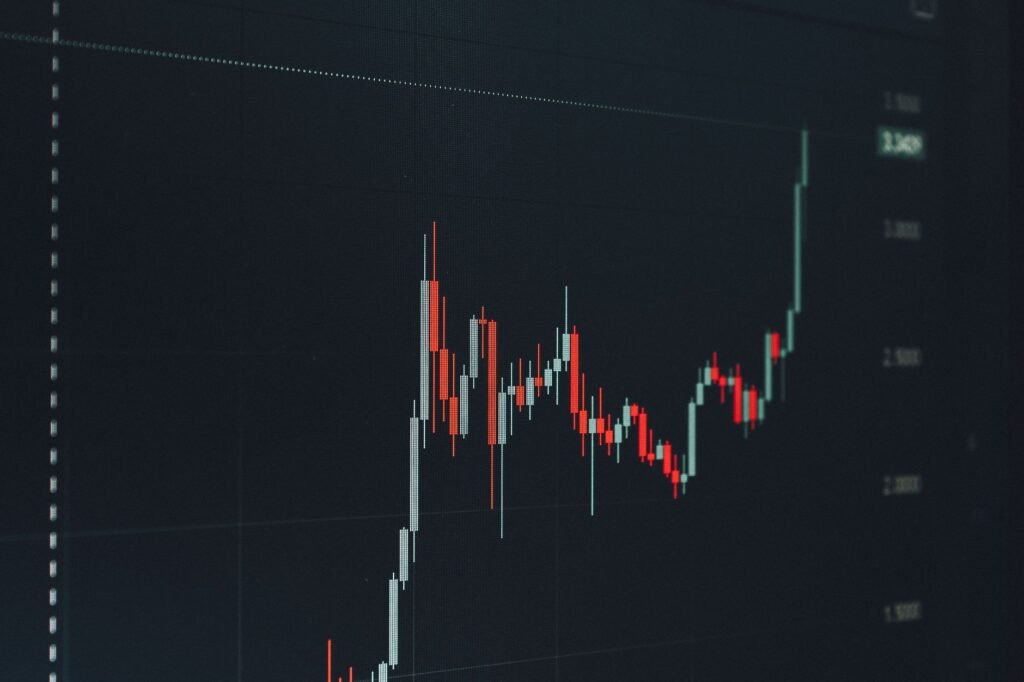
Within the last 48 hours, SK Hynix and Samsung have released their Q2 2026 earnings, revealing record-breaking profits driven almost entirely by the enterprise sector. For the average American consumer, this translates to a looming supply crunch. As manufacturing lines are retrofitted to produce high-margin AI chips, the standard SSD and RAM Price Forecast 2026 suggests we are entering a period of significant price volatility. Whether you are a gamer, a creative professional, or a student, understanding these market dynamics is essential for protecting your budget.
Why RAM Prices are Climbing in Late 2026
DRAM (Dynamic Random Access Memory) is the short-term memory your computer uses to run applications. After a period of relative stability in early 2025, several factors have converged to push prices upward in the second half of 2026. The primary culprit is the industry-wide transition to DDR5 and the upcoming DDR6 standards, which require more complex manufacturing processes than their predecessors.
According to industry analysis from Reuters Technology, memory manufacturers are currently prioritizing ‘wafer starts’ for server-grade memory. This means that for every million chips produced, a smaller percentage is being allocated to consumer-grade sticks. This artificial scarcity is expected to result in a 12% to 18% price increase for 16GB and 32GB RAM kits by the end of August 2026.
The Shift to DDR5 Dominance
While DDR4 memory remains available for legacy systems, its production is being phased out rapidly. By October 2026, it is estimated that DDR5 will account for 85% of all consumer RAM sales. If you are still using a DDR4 system, you may find that prices for ‘old’ stock actually rise as supply dries up, while new DDR5 kits face ‘launch premiums’ due to the ongoing AI-driven manufacturing bottlenecks.
NAND Flash and SSDs: The Storage Supply Crunch
The situation in the storage market is even more pronounced. Solid State Drives (SSDs) rely on NAND flash memory, which is also being diverted to enterprise-grade AI storage solutions. Recent data from SK Hynix Newsroom indicates that their enterprise SSD revenue has doubled in just three months, leading them to reallocate resources away from 1TB and 2TB consumer drives.
For US shoppers, this means that the $60 ‘budget’ 1TB NVMe drive is likely a thing of the past. Our SSD and RAM Price Forecast 2026 models suggest that storage prices will see a steady 5% month-over-month increase through the holiday season. Consumers should expect to pay roughly 20-25% more for high-performance Gen5 storage than they did in the first quarter of the year.
2026 Price Comparison and Forecast Table
To help you visualize the impact on your budget, the following table compares the average market prices for popular memory and storage tiers from earlier this year against our projected Q4 2026 retail prices.
| Component Category | Q1 2026 Average Price | Projected Q4 2026 Price | Estimated Change |
|---|---|---|---|
| 16GB DDR5 6000MHz RAM | $75.00 | $92.00 | +22.6% |
| 32GB DDR5 6400MHz RAM | $130.00 | $155.00 | +19.2% |
| 1TB NVMe SSD (Gen4) | $85.00 | $108.00 | +27.0% |
| 2TB NVMe SSD (Gen4) | $155.00 | $190.00 | +22.5% |
| 4TB SATA SSD (Storage) | $210.00 | $245.00 | +16.6% |
How to Navigate the 2026 Tech Market
Given the upward pressure on component costs, consumer strategy must shift from ‘waiting for the bottom’ to ‘buying on the dips.’ As manufacturers signal these price hikes, major US retailers like Amazon, Best Buy, and Micro Center often hold onto older inventory for a short period before adjusting their prices to match current wholesale costs.
If you are following a Back-to-School Shopping List 2026, it is highly recommended to secure your internal components—RAM and storage—immediately. While other items like peripherals or laptop bags may see discounts in August, the internal hardware is trending in the opposite direction.
Buy Now vs. Wait: The Decision Matrix
- Buy Now: If you need a PC for school or work starting in September. Prices are expected to be at their relative lowest during the final week of July.
- Wait: If you are planning a build for late 2027. We expect some of the AI-related fab expansions, such as the TSMC’s $100 Billion Arizona Expansion, to begin easing supply constraints by mid-to-late next year.
- Consider Refurbished: The secondary market for RAM and SSDs remains robust. As enthusiasts upgrade to Gen5 storage, high-quality Gen4 drives are flooding sites like eBay at lower prices, which can bypass the new manufacturing ‘AI tax.’
The Impact on Laptops and Pre-built PCs
Individual component buyers aren’t the only ones who will feel the pinch. Major OEMs (Original Equipment Manufacturers) like Dell, HP, and Apple are also facing higher procurement costs. Historically, these manufacturers do not eat the cost of components; they pass them on to the consumer. For most 2026 laptop models, you may notice that base configurations now come with 12GB or 16GB of RAM at a price point that used to offer 24GB or 32GB.
Storage is seeing a similar trend. The ‘Standard 512GB’ SSD tier, which was slowly being replaced by 1TB as the entry-level baseline, is making a comeback in budget laptop models as manufacturers look for ways to keep the ‘sticker price’ under the psychological $999 barrier. For those who need more space, the upgrade fees during the customization process are expected to jump from $100 per terabyte to roughly $150 per terabyte by November.
Practical Tips for Saving on Memory in 2026
To mitigate the rising costs highlighted in our SSD and RAM Price Forecast 2026, consumers should use specific tools and tactics to find the best deals. Tracking real-time data is more important now than it has been since the 2021 supply chain crisis.
- Use Price Trackers: Websites like Tom’s Hardware and PCPartPicker allow you to set price alerts. Because retail price adjustments often lag behind wholesale hikes by 2-3 weeks, these alerts can give you a window to buy at ‘yesterday’s’ prices.
- Check Educational Discounts: Many memory brands offer direct-to-consumer student portals. Since RAM and SSDs are essential for modern STEM degrees, these discounts can often offset the 15-20% market increases.
- Bundle Your Purchases: Retailers are increasingly bundling RAM or SSDs with motherboards or CPUs to move inventory. The individual component might be expensive, but the ‘bundle discount’ can effectively bring the price back down to Q1 levels.
Looking Ahead: Will Prices Stabilize in 2027?
The long-term outlook depends heavily on how quickly new manufacturing capacity comes online. While SK Hynix and Samsung are currently maxing out their existing facilities for HBM chips, they have also announced multi-billion dollar expansions dedicated to standard memory. However, these facilities are not expected to reach full production capacity until early 2027.
Until then, the market will likely remain in a state of ‘high-level plateau.’ We do not anticipate a massive crash in prices anytime soon because the underlying demand for AI chips shows no signs of slowing. For now, the most fiscally responsible move for US consumers is to treat RAM and SSDs as essential commodities—budgeting for them early and avoiding the ‘wait and see’ approach that could lead to much higher costs during the 2026 holiday shopping season.
Frequently Asked Questions
Is it better to buy an SSD now or wait for Black Friday 2026?
Based on current market data, it is better to buy now. Wholesale memory prices are trending upward due to AI chip demand, and the usual Black Friday discounts may only bring prices back to current July levels, rather than providing true savings.
Why is AI affecting the price of my home computer parts?
AI servers require a specialized type of memory called HBM3E. Manufacturers are using the same factories and raw materials to make this high-profit memory as they do for your standard RAM and SSDs, leading to a supply shortage for consumer products.
Will DDR4 RAM prices go down as DDR5 becomes more popular?
Counter-intuitively, no. As production of DDR4 slows down, it becomes a ‘legacy’ product with limited supply. Prices often rise for older RAM types because they are harder to find for people trying to repair older systems.
Should I upgrade to a Gen5 SSD in 2026?
Only if you perform heavy data tasks like 8K video editing. For gaming and general use, Gen4 SSDs offer the best value in 2026, especially as Gen5 drives are currently carrying a significant ‘new technology’ price premium.