Choosing the Best 3-Compartment Kids Lunch Box for 2026
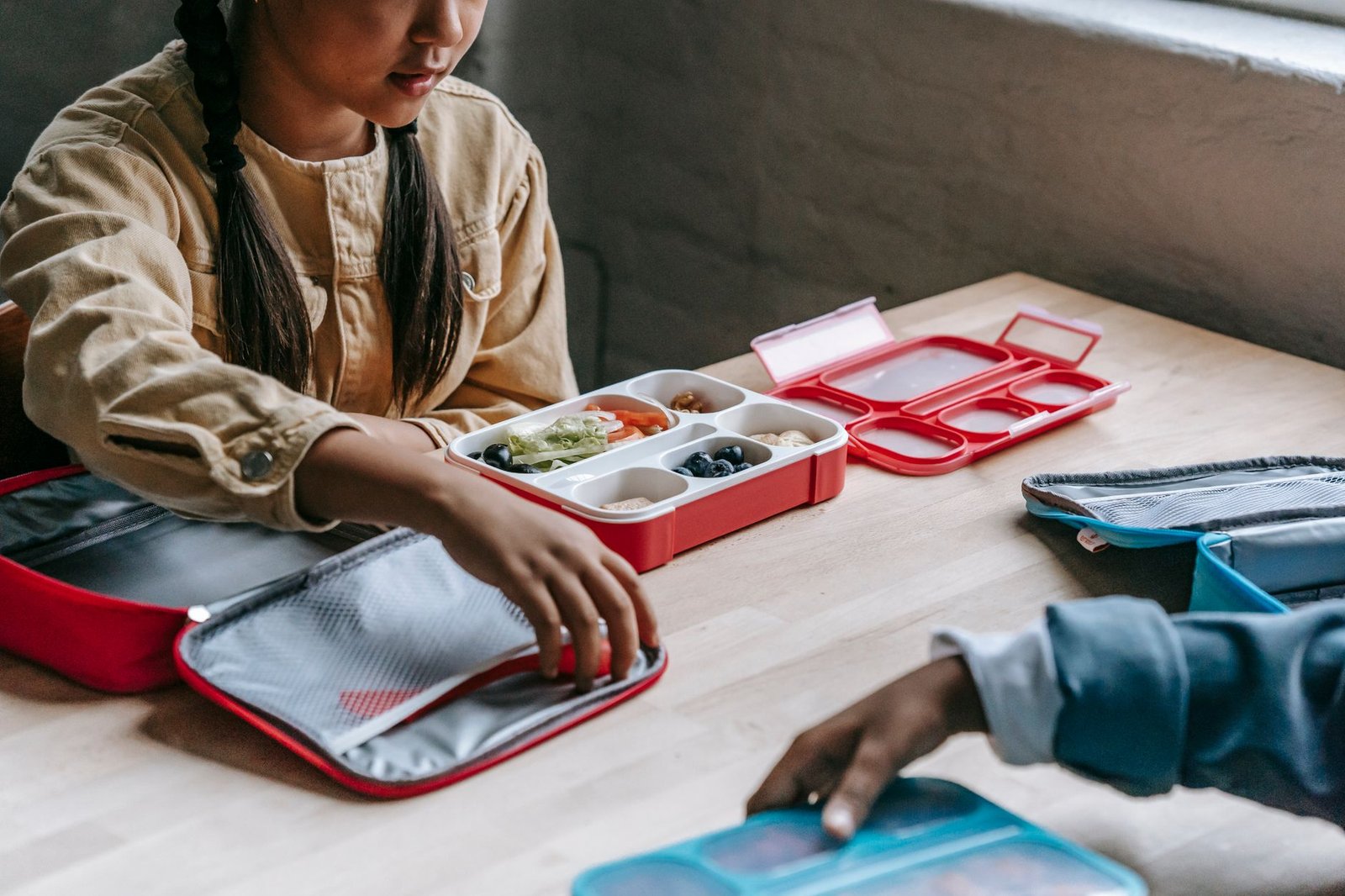
As the 2026-2027 school year approaches, parents are increasingly moving away from bulky, single-compartment containers in favor of streamlined organizational solutions. The 3-compartment kids lunch box has emerged as the gold standard for school lunches this year. Specifically, the 22x6x8.5cm dimension has become a favorite among US parents because it offers the ideal balance between internal volume and external portability. This size fits perfectly into standard insulated lunch bags while providing enough space for a main course and two healthy sides.
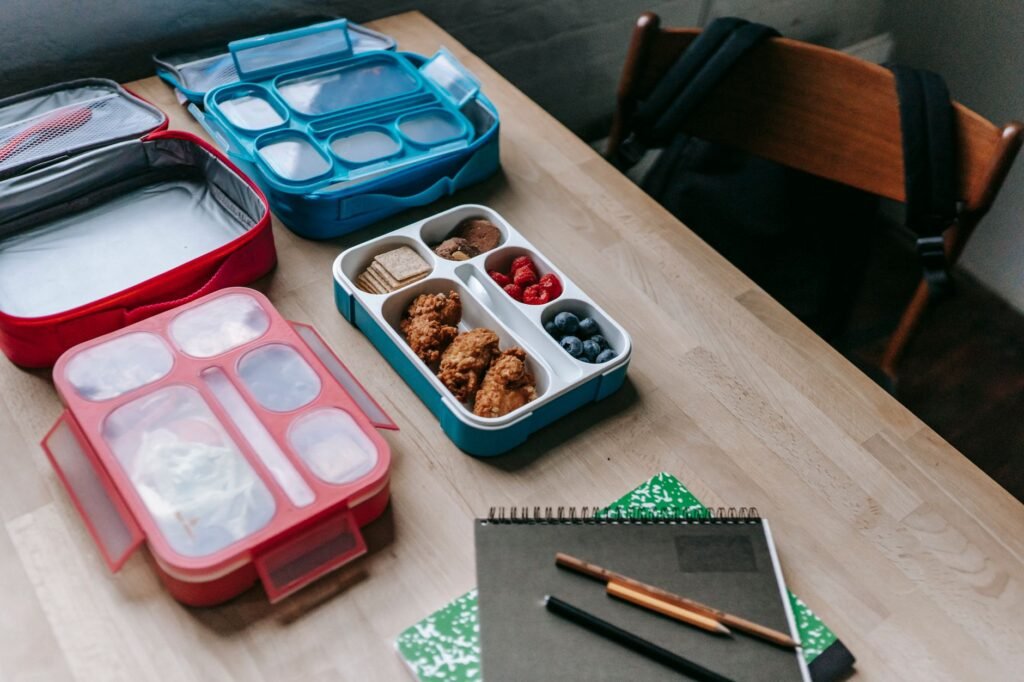
Modern bento-style boxes for children must meet three primary criteria: they must be lightweight enough for a toddler or elementary student to carry, durable enough to survive the occasional drop on a tile floor, and completely leak-proof to protect the contents of a backpack. In 2026, advancements in Tritan plastic and reinforced silicone seals have made it possible to achieve these goals without adding unnecessary weight. Whether you are packing a classic sandwich or following the latest New USDA School Meal Standards 2026, the right container makes all the difference in a child’s midday experience.
Why 3 Compartments are the Gold Standard in 2026
The shift toward three compartments is driven by both nutritional science and practical convenience. In 2026, pediatric nutritionists emphasize the ‘Power of Three’: a protein, a fruit or vegetable, and a complex carbohydrate. A 3-compartment lunch box acts as a visual guide for parents, ensuring that every meal is balanced without the need for multiple smaller containers that are easily lost or forgotten.
- Portion Control: Fixed walls prevent overpacking and encourage a variety of food groups.
- Texture Integrity: No one likes a soggy sandwich. Separate compartments keep dry foods away from wet ones, such as yogurt or sliced fruit.
- Waste Reduction: By eliminating the need for single-use plastic bags, a durable 3-compartment box supports the growing trend toward sustainable school habits.
- Easy Identification: Most 2026 models feature transparent lids, allowing children to quickly see what is for lunch during busy cafeteria hours.
When selecting a box, look for models that are marketed as ‘lightweight and resistant.’ A container weighing more than 1.5 pounds (empty) can be a burden for younger children, especially when combined with heavy textbooks and water bottles. The 2026 market has seen a surge in lightweight polypropylene and stainless steel hybrids that offer high impact resistance without the heft.
Key Specifications: The 22x6x8.5cm Advantage
In the world of school supplies, size consistency is vital. The 22cm length (approximately 8.6 inches) is designed to match the width of a standard student backpack. The 6cm height is slim enough to allow other items to be stacked on top, while the 8.5cm depth ensures that thicker items, such as a whole apple or a deep-dish pasta salad, can fit comfortably. This specific ‘Ni-os 22x6x8.5cm’ footprint has become a universal benchmark for compatibility.
Durability testing for 2026 models often focuses on the hinge and latch mechanism. Parents should look for ‘one-click’ or ‘easy-open’ latches that are tested for at least 1,000 opening cycles. For children under the age of seven, a latch that requires too much grip strength can lead to frustration and spills. Many of the top-rated 3-compartment boxes this year feature rubberized edges to absorb shock and prevent cracking during transport.
Comparison of 2026 Lunch Box Materials
| Material Type | Durability Rating | Weight | Best Use Case |
|---|---|---|---|
| Tritan Plastic | High | Very Light | Preschool & Elementary |
| Stainless Steel | Extra High | Medium | Middle School & Active Kids |
| Silicone Foldable | Medium | Light | Occasional Travel/Picnics |
| Recycled PP | Medium | Light | Eco-conscious Families |
Safety First: BPA-Free and Food-Grade Standards
Safety is the non-negotiable factor for any product touching a child’s food. In 2026, the FDA’s updated guidelines on food-contact substances have reinforced the need for certified BPA-free, lead-free, and phthalate-free materials. When shopping for your back-to-school shopping list 2026, check for the ‘Food Grade’ seal on the bottom of the container.
Furthermore, internal seals should be made of high-quality silicone. These seals are what make the compartments truly leak-proof. A high-quality 3-compartment box will have a single silicone gasket on the lid that aligns perfectly with the walls of the compartments. This prevents liquid from a fruit cup or dipping sauce from migrating into the cracker or bread section. In 2026, many brands have moved toward removable seals, which allow for a more thorough cleaning to prevent mold growth—a common issue with older permanent-seal designs.
Dishwasher and Microwave Compatibility
For the busy parent, convenience is just as important as durability. Most 3-compartment boxes in 2026 are top-rack dishwasher safe. However, experts recommend hand-washing the lid to preserve the integrity of the leak-proof silicone seal. High heat in a dishwasher can occasionally cause seals to warp over time. If you plan to use the container for hot meals, ensure it is labeled as microwave-safe. Typically, only the internal tray should be microwaved, while the outer shell remains at room temperature to prevent burns.
Mastering the 2026 School Lunch Prep
With a 3-compartment system, packing becomes a streamlined process. The largest compartment (the ‘main’) is designed for sandwiches, wraps, or protein salads. The two smaller compartments are intended for ‘fillers’ that provide energy throughout the day. According to Academy of Nutrition and Dietetics standards, a balanced lunch should provide roughly one-third of a child’s daily nutritional requirements.
Sample 3-Compartment Menu Ideas:
- The Classic: Turkey and cheese wrap (Main), sliced cucumbers (Side 1), and organic grapes (Side 2).
- The Protein Power: Hard-boiled eggs and cheese cubes (Main), baby carrots with hummus (Side 1), and a small muffin (Side 2).
- The Plant-Based: Pasta salad with chickpeas (Main), apple slices with cinnamon (Side 1), and sunflower seeds (Side 2).
To keep these meals fresh, especially if your child does not have access to a refrigerator, always pair the 3-compartment box with a slim ice pack. Most 22x6x8.5cm boxes leave just enough room in a standard insulated bag for a flat gel pack to be placed underneath or on top. This maintains a safe food temperature of below 40 degrees Fahrenheit, which is critical for preventing foodborne illness during the warm August and September months.
Maintenance and Longevity: Making it Last the Whole Year
A high-quality lunch box is an investment. While budget options exist, a ‘resistant’ model priced between $20 and $35 typically pays for itself by lasting the entire school year rather than needing a replacement in November. To ensure your 3-compartment box remains in top condition, follow these 2026 maintenance tips:
The Deep Clean Routine
Once a week, perform a deep clean. If the silicone seal is removable, take it out and soak it in a mixture of warm water and vinegar. This kills any bacteria that may have settled into the crevices. For the plastic body, a paste of baking soda and water can remove stubborn odors from foods like onions or tuna. Always allow the box to air dry completely before closing the lid; storing a damp lunch box is the fastest way to develop unpleasant odors.
Dealing with Stains
Tomato-based sauces are the enemy of clear plastic. To prevent staining, lightly coat the inside of the compartment with a small amount of olive oil before adding pasta or chili. If a stain does occur, placing the container in direct sunlight for a few hours can actually help ‘bleach’ the stain out naturally, thanks to UV exposure.
Final Verdict: The Ideal Pick for 2026
The 3-compartment kids lunch box represents the perfect intersection of modern parenting needs: nutrition, organization, and sustainability. By choosing a model with the 22x6x8.5cm dimensions, you ensure compatibility with the widest range of accessories and bags. Look for high-resistance materials like Tritan or 304-grade stainless steel to ensure the product survives the rigors of the playground. As we move deeper into the 2026 academic year, these lightweight and durable containers are proving to be much more than a trend—they are a essential tool for a successful school day.
Whether you are a parent of a picky eater who needs their food kept separate or a meal-prep enthusiast looking to save time on Sunday nights, the 3-compartment system offers the flexibility and reliability required for the modern US household. Start your 2026 school year with the right gear, and you’ll find that ‘what’s for lunch’ becomes the easiest question of the day.
Frequently Asked Questions
What are the ideal dimensions for a kids’ lunch box in 2026?
The standard 22x6x8.5cm dimension is considered ideal for 2026 because it fits most standard US backpacks and insulated bags while providing sufficient volume for a balanced meal.
Are 3-compartment lunch boxes leak-proof?
Most high-quality 2026 models are leak-proof between compartments thanks to silicone seals, but it is important to check if the specific model is rated for ‘liquid’ items like soup or only ‘wet’ items like yogurt.
How do I remove odors from a plastic bento box?
A mixture of baking soda and water left to sit for 30 minutes, or a vinegar soak, is the most effective way to remove food odors from BPA-free plastics.
Is Tritan plastic safe for children?
Yes, Tritan is a high-impact, BPA-free, and phthalate-free material that is widely recognized by the FDA as safe for food contact and is preferred in 2026 for its durability and lightweight properties.