

Moneymaxxing is the 2026 financial philosophy centered on hyper-optimizing every single dollar of income to ensure it generates the highest possible return through interest, rewards, tax efficiencies, and AI-driven cost cutting. Unlike traditional budgeting, which focuses on spending less, Moneymaxxing focuses on utility maximization. It is the financial equivalent of ‘min-maxing’ in a video game—where every move is calculated to yield the best possible stat increase for your bank account.
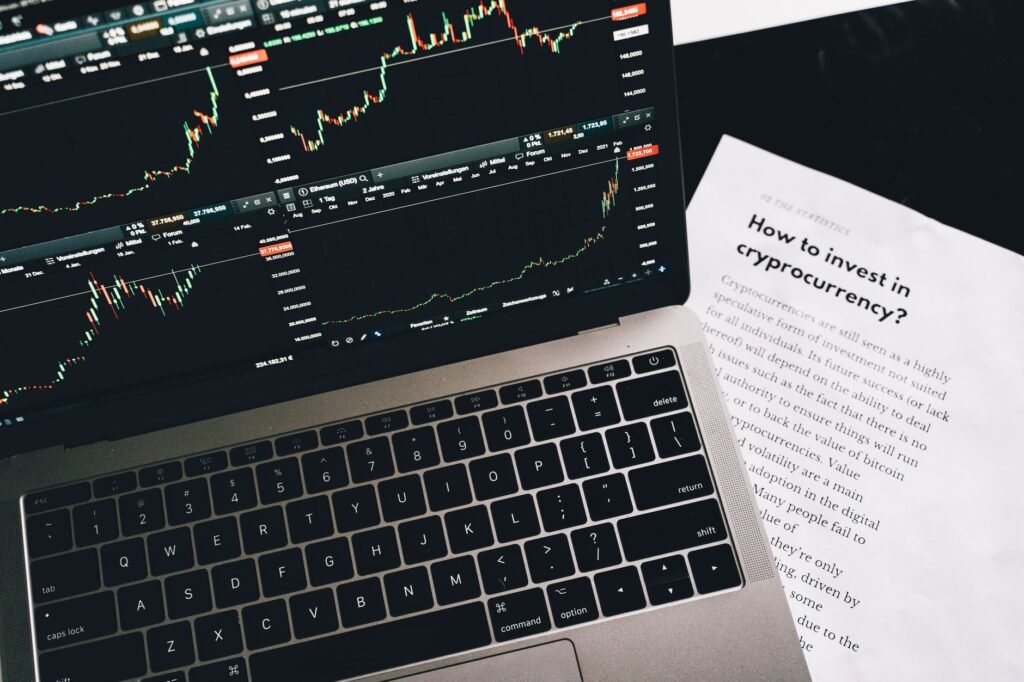
As the U.S. economy navigates the complexities of late 2026, this cultural shift has moved from social media forums into the mainstream. Financial advisors now recognize it not just as a trend, but as a survival mechanism in a world of algorithmic pricing and high-yield opportunities. If you are still letting your cash sit in a standard checking account, you are effectively losing money to those who have adopted the Moneymaxxing mindset.
The Evolution of Personal Finance: Why Moneymaxxing is Different
For decades, personal finance advice was dominated by the ‘latte factor’—the idea that small savings on coffee would eventually lead to wealth. In 2026, that advice feels archaic. Moneymaxxing acknowledges that the modern financial system is a series of interconnected APIs, rewards programs, and interest-bearing instruments that can be ‘stacked’ to create a compounding effect far greater than simple frugality.
The difference lies in the effort and technology applied. A traditional saver might look for a sale at the grocery store. A ‘moneymaxxer’ will use a credit card with a specific 5% grocery multiplier, stacked with a digital coupon aggregator, and then immediately move the saved difference into a high-yield 12-month CD to lock in the latest Federal Reserve-driven rates.
The Core Pillars of a Moneymaxxing Strategy
To successfully implement this strategy in 2026, you must look at your finances as a machine that requires constant tuning. There are four primary pillars to this approach:
1. Hyper-Automation of Cash Flows
Manual transfers are the enemy of growth. In 2026, automation tools have advanced to the point where they can analyze your spending patterns in real-time. Moneymaxxing involves setting up ‘sweep’ accounts that automatically move any balance above a specific threshold into a high-yield savings or brokerage account daily. This ensures that ‘lazy money’ never sits earning 0.01% interest.
2. Reward and Multiplier Stacking
This is where the most significant gains are made. A sophisticated Moneymaxxing setup involves using specific financial products for specific categories. This requires a best credit card strategy that rotates based on quarterly bonuses and merchant-specific offers. When combined with cash-back portals and loyalty points, the effective discount on every purchase can reach 10% to 15%.
3. AI-Driven Expense Auditing
With the rise of autonomous AI agents in 2026, users can now deploy scripts that constantly scan for lower utility rates, insurance premiums, and subscription costs. Moneymaxxing means never paying the ‘loyalty tax’—the higher price companies charge to long-term customers who don’t switch. According to the Consumer Financial Protection Bureau (CFPB), consumers who actively switch providers can save thousands annually, a core tenet of the moneymaxxing creed.
4. Tax-Advantaged Yield Capture
Maximizing yield also means minimizing the government’s cut. This involves the aggressive use of Health Savings Accounts (HSAs), Roth IRAs, and 529 plans as investment vehicles rather than just spending accounts. By paying for current expenses out of pocket and letting these tax-advantaged accounts grow, you are effectively moneymaxxing your future tax liability.
Comparing Traditional Budgeting vs. Moneymaxxing
To understand the impact of this shift, consider how these two approaches handle a typical monthly surplus of $1,000.
| Feature | Traditional Budgeting | Moneymaxxing |
|---|---|---|
| Primary Goal | Reduce Spending | Maximize Yield/Utility |
| Cash Management | Checking/Savings Account | Automated Sweep to High-Yield/CDs |
| Purchasing | Debit or Cash | Optimized Credit Tiers + Stacking |
| Bill Management | Pay as they arrive | AI-Negotiated and Timed for Float |
| Focus | The Bottom Line | The Compounding Rate |
Advanced Tactics for the 2026 Financial Landscape
As we move deeper into 2026, several advanced tactics have emerged that separate the amateur from the professional moneymaxxer. These require more oversight but offer significantly higher returns.
Leveraging the ‘Float’
Professional moneymaxxers understand the time value of money. By using credit cards for all expenses and keeping the equivalent cash in a high-yield account until the due date, you are earning interest on the bank’s money. In a 5% interest rate environment, floating $5,000 in monthly expenses can generate an extra $250 a year with zero risk. This is a primary example of extracting value where none previously existed.
The ‘Zero-Drag’ Portfolio
Cash drag occurs when your investment capital is uninvested. In 2026, brokerage accounts offer seamless integration with checking features. Moneymaxxing involves using these ‘all-in-one’ accounts where your ‘cash’ is actually held in a money market fund yielding 5% or more, yet remains liquid enough to pay for groceries via a linked card. This eliminates the ‘drag’ of moving money between accounts.
Subscription Arbitrage
Many 2026 consumers are taking advantage of family plan ‘arbitrage’ and seasonal subscription hopping. By utilizing ‘Click to Cancel’ rules and AI trackers, moneymaxxers only pay for services during the months they actually use them, often taking advantage of ‘come back’ offers that can reduce costs by 50% or more. This is a direct application of the cultural shift identified by CNBC regarding money-optimization habits.
The Psychology of Moneymaxxing: Avoid the Burnout
While the financial gains are undeniable, there is a psychological cost to hyper-optimization. The constant need to check rates, switch cards, and audit expenses can lead to ‘frugality fatigue.’ To prevent this, the most successful 2026 strategies rely on Set-and-Forget Systems.
The goal is to spend one weekend every quarter setting up your automations, then letting the technology do the work. If your moneymaxxing habit requires more than 30 minutes of manual work per week, you are likely suffering from diminishing returns. Your time is also a resource that must be moneymaxxed.
Checklist: Start Moneymaxxing Today
- Audit Your Interest: Ensure every dollar in your bank is earning at least 4.5% APY. If not, move it.
- Map Your Spend: Identify your top three spending categories (e.g., Groceries, Travel, Dining) and match them to cards with at least 4% back.
- Automate Your Sweeps: Set your checking account to automatically transfer any ‘excess’ to an investment or high-yield account every Friday.
- Deploy an AI Auditor: Use a reputable 2026 app to scan for unwanted subscriptions and negotiate your internet/phone bills.
- Maximize Your Tax Shelter: If you have an HSA, treat it as an investment account. Pay medical bills out of pocket if possible and let the HSA grow tax-free.
The Role of Interest Rates in 2026
The efficacy of moneymaxxing is heavily tied to the Federal Reserve’s interest rate policy. According to the latest data from the Federal Reserve, the stay-high policy of 2026 has made cash-equivalent investments more attractive than they have been in decades. This creates a fertile environment for those who are willing to move their money to where it is treated best.
Conclusion
Moneymaxxing is not about being cheap; it is about being efficient. In a world where every company is using data and AI to maximize their profit from you, moneymaxxing is your way of using those same tools to maximize your profit from the system. By adopting the strategies of automation, stacking, and auditing, you ensure that 2026 is the year your wealth begins to grow at its true potential.
Frequently Asked Questions
What is the difference between budgeting and moneymaxxing?
Budgeting focuses on limiting expenses to stay within a limit, while moneymaxxing focuses on maximizing the yield and rewards of every dollar spent or saved using technology and strategic stacking.
Is moneymaxxing safe for my credit score?
Yes, provided you pay off your credit card balances in full each month. Using multiple cards for specific rewards can actually improve your credit mix and utilization ratio over time.
Do I need special software to start moneymaxxing?
While you can do it manually, 2026 moneymaxxing is best achieved through AI-driven expense auditors, automated bank sweep features, and rewards-tracking apps.
How much time does moneymaxxing take?
Initial setup may take a few hours, but a proper strategy relies on automation, requiring only about 30 minutes of review each month.