The 2026 Shift in Federal Heat Safety Standards
For decades, the Occupational Safety and Health Administration (OSHA) relied on a ‘General Duty Clause’ to protect workers from extreme heat, leaving much of the safety implementation to employer discretion. As of July 2026, that has officially changed. With the finalization of the federal Heat Injury and Illness Prevention standard, specific, measurable requirements are now mandatory for millions of Americans working in both outdoor and indoor environments.
The timing is critical. As the Dove Fire and Eagle Fire continue to impact air quality across the Western United States, the combination of extreme heat and hazardous smoke has created a dual-threat environment. These new 2026 rules provide a framework for how businesses must operate when the thermometer hits critical thresholds, ensuring that labor productivity does not come at the cost of human life.
The High Heat Triggers: Understanding 80°F and 90°F
The 2026 OSHA heat safety rules are built around two primary temperature ‘triggers’ based on the heat index. Unlike previous years where heat safety was suggested, these thresholds now mandate specific actions by the employer.
- The Initial Heat Trigger (80°F): At this level, employers must provide readily accessible cool drinking water and have a written heat emergency response plan in place.
- The High Heat Trigger (90°F): Once the heat index hits 90°F, mandatory rest breaks of at least 15 minutes every two hours are required. Employers must also monitor for signs of heat illness among staff.
These rules apply to all workers, but they are particularly vital for those in high-risk sectors such as construction, agriculture, package delivery, and warehouse fulfillment. For more information on immediate health symptoms, see our guide on extreme heat safety.
Mandatory Requirements for US Employers in 2026
The new federal standard is not just a list of suggestions; it is a compliance requirement that includes heavy penalties for violations. Here are the core pillars that every US business must now uphold:
1. Access to Potable Water
Employers must provide at least one quart of cool water per worker per hour. This water must be provided free of charge and located as close as ‘practicable’ to the work area. In 2026, ‘practicable’ is defined as being within a 400-foot walk or a short duration that doesn’t discourage hydration.
2. Mandatory Shade and Cooling Zones
When temperatures exceed 80°F, employers must provide a shaded area or a climate-controlled room for employees to take breaks. The shade must be sufficient to accommodate all employees on break simultaneously without them touching each other. For indoor environments like warehouses, cooling fans or air-conditioned ‘cool-down stations’ are now a requirement.
3. Acclimatization Protocols
One of the most significant updates in the OSHA heat safety rules 2026 is the focus on new hires. Statistics show that nearly 75% of heat-related deaths occur within the first week of work. Employers must now implement a 5-day ramp-up period for new or returning employees, allowing them to gradually increase their exposure to heat.
Comparing Old Guidelines vs. New 2026 Standards
To understand the scope of these changes, the following table illustrates the shift from voluntary compliance to the 2026 mandatory requirements.
| Safety Feature | Pre-2026 Guidance | 2026 Federal Standard |
|---|---|---|
| Water Access | Recommended | Mandatory (1 quart/hour) |
| Rest Breaks | Employer Discretion | Mandated at 90°F Heat Index |
| Shade Provision | Suggested | Required above 80°F |
| New Hire Safety | Ad-hoc | Mandatory 5-day Acclimatization |
| Emergency Plan | General Duty only | Written, site-specific plan required |
Impact on Specific Industries
The implementation of these rules varies slightly depending on the nature of the work. The 2026 standards address the specific nuances of ‘indoor’ vs ‘outdoor’ heat stress.
Construction and Agriculture
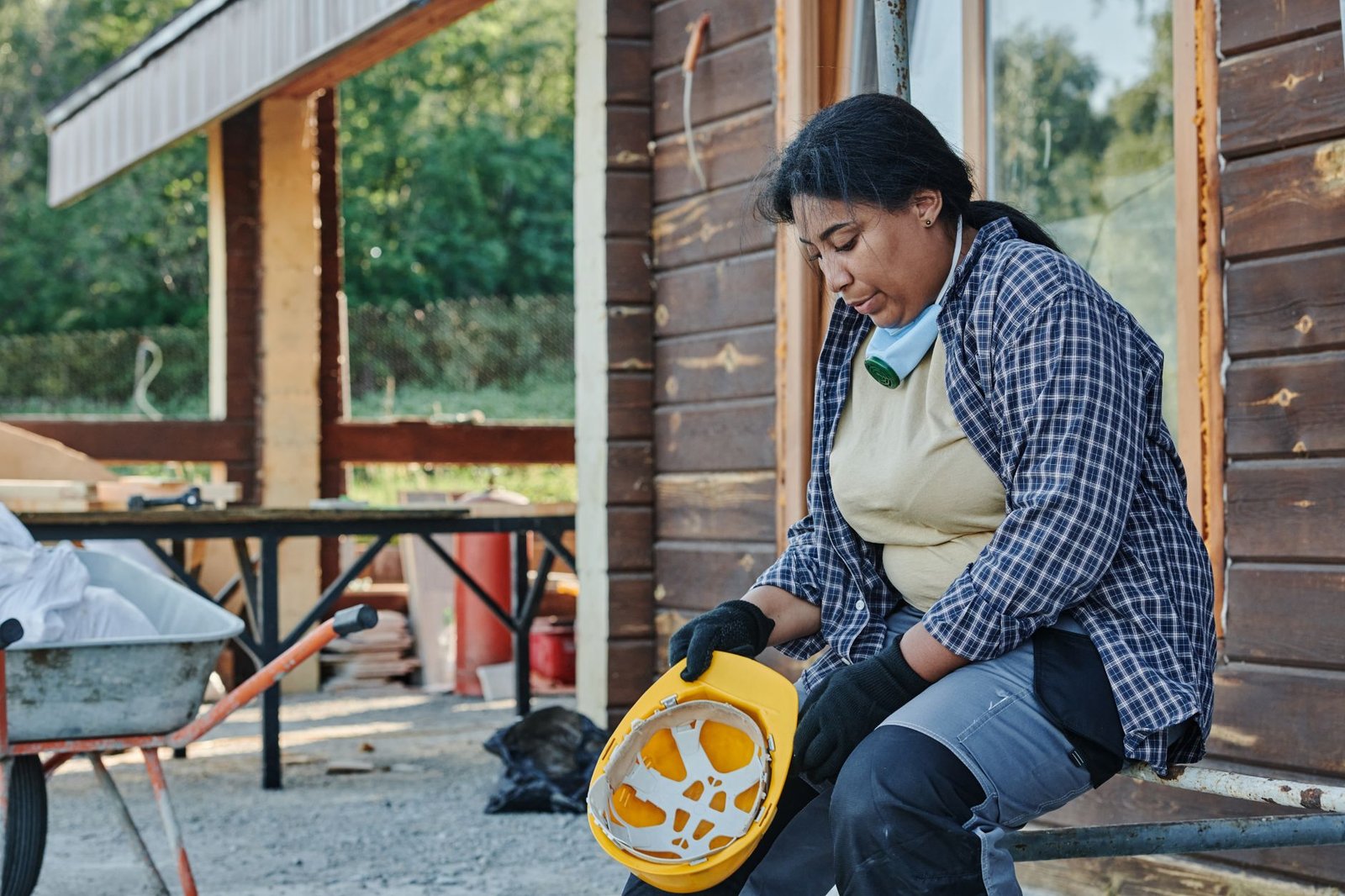
For outdoor laborers, the biggest change is the ‘High Heat’ enforcement. During periods of extreme heat, work schedules must be modified to avoid the hottest parts of the day (typically 2 PM to 5 PM). Employers are encouraged to move heavy labor to early morning hours. With current wildfires like the Dove Fire, OSHA also mandates that if N95 masks are required for smoke, additional rest breaks must be added to account for the increased physical strain of breathing through a respirator in the heat.
Warehouse and Fulfillment Centers
Indoor heat is often neglected, but the 2026 rules explicitly cover ‘unconditioned’ indoor spaces. This includes large-scale distribution centers. If the heat index inside a facility reaches 80°F, the same water and shade (cooling zone) rules apply. OSHA inspectors are now equipped with advanced heat-index sensors to verify that temperatures at the ‘work-station level’ are compliant with federal law.
How to File an OSHA Complaint in 2026
If you believe your employer is not following the OSHA heat safety rules 2026, you have the legal right to file a complaint without fear of retaliation. The 2026 enforcement initiative has streamlined this process through the official OSHA website.
- Document the Violation: Take note of the temperature, the lack of water/shade, and any symptoms you or coworkers are feeling.
- Internal Reporting: Ideally, notify your supervisor first. Under the 2026 rules, they are required to have a designated ‘Heat Safety Coordinator’ on-site.
- Official Filing: Use the OSHA Online Complaint Form or call your local regional office. In 2026, heat-related complaints are categorized as ‘High Priority,’ often resulting in an on-site inspection within 48 to 72 hours.
For those also dealing with air quality issues from nearby fires, ensure you check the Air Quality Index (AQI) frequently, as the 2026 rules allow for work stoppages if the combination of heat and smoke exceeds safe physiological limits.
Acclimatization: The Five-Day Rule
The ‘Five-Day Rule’ is a cornerstone of the 2026 update. Employers must ensure that any worker who has not worked in heat for at least 14 days is treated as a ‘new employee’ for safety purposes. The recommended schedule under the new federal guidelines is:
- Day 1: No more than 20% of the normal work duration in the heat.
- Day 2: 40% of the normal work duration.
- Day 3: 60% of the normal work duration.
- Day 4: 80% of the normal work duration.
- Day 5: 100% of the normal work duration.
This gradual increase allows the human body to adjust its sweat rate and heart rate to the environment, drastically reducing the risk of sudden heat stroke.
The Role of Technology in 2026 Heat Compliance
To assist with the 2026 rollout, many companies are turning to wearable technology and advanced apps. The NIOSH Heat Safety Tool remains the gold standard for real-time risk assessment. In 2026, OSHA considers the use of this app (or an equivalent) as evidence that an employer is actively monitoring conditions, which can be a mitigating factor during an inspection.
Additionally, some 2026 construction sites have implemented ‘smart vests’ that monitor a worker’s core body temperature. While not federally mandated, OSHA has noted these as ‘best practices’ for high-risk environments.
Conclusion
The 2026 federal OSHA heat safety rules represent a turning point for US labor. By moving from suggestions to strict mandates, the Department of Labor aims to eliminate the thousands of emergency room visits and dozens of preventable deaths that occur every summer. Whether you are an employer ensuring compliance or an employee protecting your health, understanding these triggers—80°F for water and shade, 90°F for rest—is the key to a safe 2026 summer season.
As climate patterns continue to fluctuate and wildfires like the Dove Fire complicate the outdoor work environment, staying informed through official channels and internal resources is more important than ever. For further details on how to handle health emergencies, refer back to our earlier reporting on recognizing heat stroke symptoms.
Frequently Asked Questions
What temperature triggers the new OSHA heat rules in 2026?
The new rules have two main triggers: 80°F for basic requirements like water and shade, and 90°F for ‘high heat’ requirements such as mandatory 15-minute rest breaks every two hours.
Are indoor workers covered by the 2026 OSHA heat safety standards?
Yes, the 2026 standards apply to both outdoor and indoor work environments where the heat index reaches the 80°F trigger, including warehouses, factories, and kitchens.
Is the 5-day acclimatization period mandatory for all workers?
It is mandatory for all new employees and any employee returning to heat-intensive work after an absence of 14 days or more, ensuring their bodies can safely adjust to the temperature.
What are the penalties for employers who ignore the 2026 heat rules?
Violations are categorized under the new standard and can result in significant fines, with ‘serious’ violations in 2026 reaching over $16,000 per instance and ‘willful’ violations exceeding $160,000.