The 2026 Shift Toward Whole-Person Dental Wellness
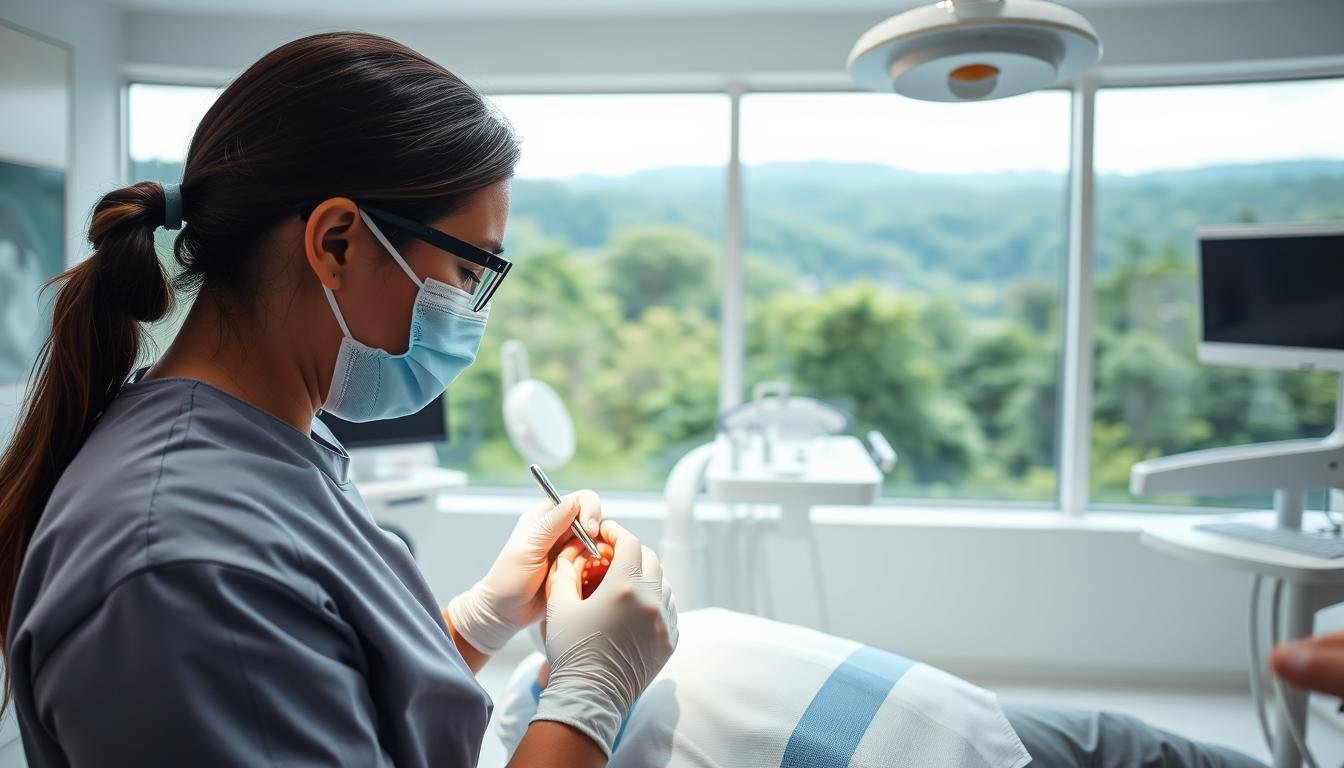
For decades, dental care was viewed as an isolated practice—something focused entirely on the mouth, separate from the rest of the body. However, as of August 2026, we are witnessing a permanent shift in the industry. The 2026 Holistic Dental Care Trends focus on ‘whole-person care,’ a philosophy where your dentist acts as a frontline defender for your cardiovascular and metabolic health. This transition is not just a preference; it is becoming the new standard of care as clinical evidence confirms that oral pathogens are directly linked to systemic inflammation, heart disease, and cognitive decline.
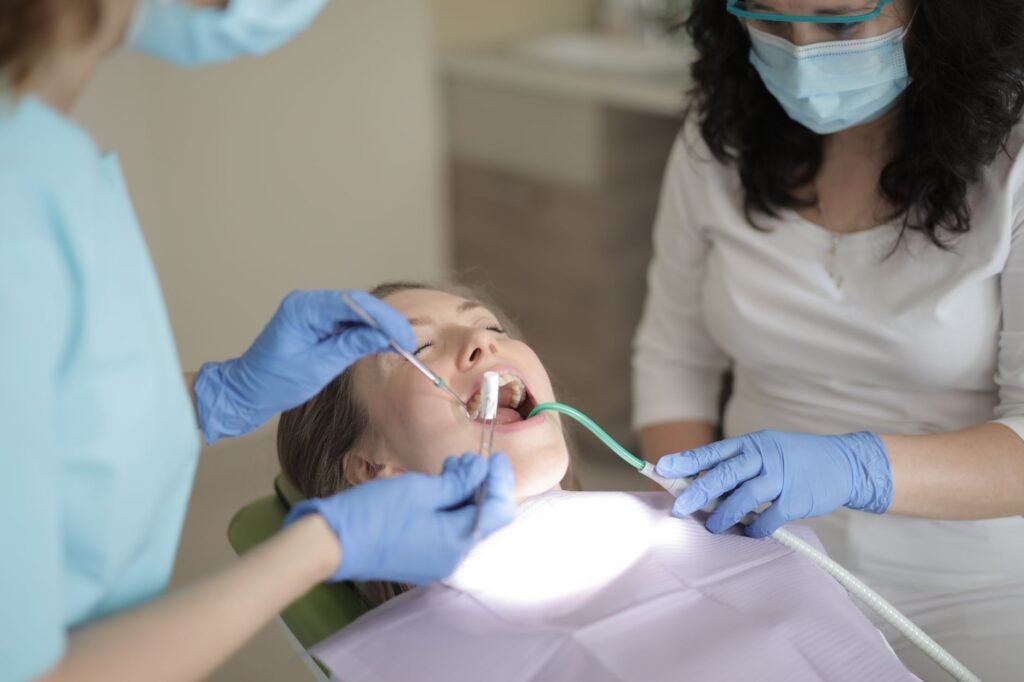
Recent reports from major healthcare summits this week emphasize that modern dentistry is moving away from the ‘drill and fill’ model. Instead, practitioners are adopting diagnostic tools that screen for early signs of chronic illness during routine checkups. If you are scheduling a dental visit this month, you are likely to see more emphasis on functional health coaching and less on invasive procedures. This guide explores the most impactful trends currently reshaping how Americans experience dental care.
The Rise of Oral-Systemic Health Integration
The most significant of the 2026 holistic dental care trends is the official integration of dental records with general medical history. According to MedCity News, connecting the dots between oral health and systemic wellness allows for earlier intervention in cases of diabetes and hypertension. Dentists are now frequently checking blood pressure and even performing chairside A1C tests for blood sugar levels.
Why the Heart and Mouth Connection Matters Now
Research published in early August 2026 highlights that the same bacteria responsible for periodontal (gum) disease can travel through the bloodstream, contributing to the formation of arterial plaques. Holistic dental offices are responding by using advanced salivary diagnostics. These tests identify specific bacterial DNA in your mouth, allowing for personalized treatment plans that target ‘bad’ bacteria before they can impact your heart health.
- Salivary Diagnostics: Non-invasive tests that identify high-risk oral pathogens.
- Inflammation Mapping: Using thermal imaging or advanced scans to detect hidden infections in the jawbone.
- Nutritional Counseling: Dentists providing guidance on Vitamin K2 and D3 levels to support bone density and tooth remineralization.
The “No-Drill” Revolution: Caries-Halting Technology
One of the most exciting developments for patients who experience dental anxiety is the widespread adoption of no-drill treatments. In August 2026, a new simple tool for halting caries (cavities) has gone mainstream. Silver Diamine Fluoride (SDF) and bio-active gels are now being used to stop decay in its tracks without the need for local anesthesia or high-speed drills.
These treatments work by applying a liquid or gel that kills bacteria and reinforces the tooth structure. This is particularly transformative for pediatric and geriatric patients, as well as those in rural areas where access to complex restorative equipment is limited. For more on managing costs and saving on traditional procedures, see our guide on saving on dental implants in 2026.
Bio-Active Materials in Fillings
Even when a filling is necessary, 2026 trends favor bio-active materials. Unlike traditional composite or amalgam, these materials release minerals like calcium and phosphate over time, helping the tooth heal itself from the inside out. This reduces the likelihood of secondary decay and extends the lifespan of the restoration.
Functional Health Coaching in the Dental Chair
A trend gaining massive traction this August is the inclusion of functional health coaches within dental practices. As noted by RDH Magazine, these professionals work alongside hygienists to help patients manage the lifestyle factors that lead to oral disease. This includes sleep hygiene, stress management, and anti-inflammatory diets.
By addressing the root cause of gum disease—such as chronic mouth breathing or poor gut health—functional coaching ensures that dental treatments are long-lasting. This holistic approach recognizes that a mouth cannot be healthy if the body is in a state of constant stress or malnutrition.
2026 Technology: AI and Laser Diagnostics
Technology continues to be a primary driver of 2026 holistic dental care trends. Artificial Intelligence (AI) is now a standard tool for analyzing X-rays, providing a second set of eyes to detect microscopic decay or bone loss that the human eye might miss. Furthermore, laser dentistry has reached a new peak of precision.
Laser treatments are now used for more than just soft tissue surgeries; they are used for ‘laser-induced remineralization,’ which strengthens weakened enamel before it turns into a cavity. Because lasers are incredibly precise, they preserve more of the natural tooth structure compared to traditional methods.
Comparison of Traditional vs. Holistic Dental Approaches in 2026
| Feature | Traditional Dentistry | 2026 Holistic Trends |
|---|---|---|
| Primary Goal | Repairing damaged teeth | Whole-body wellness and prevention |
| Decay Treatment | Drilling and filling | SDF, bio-active gels, remineralization |
| Diagnostics | Visual and X-ray | AI analysis, salivary DNA, blood screening |
| Materials | Inert composites or amalgams | Bio-compatible and bio-active minerals |
| Patient Support | Standard hygiene instructions | Functional health and nutrition coaching |
Expanding Access: Mobile Clinics and Rural Outreach
A critical component of 2026 dental trends is the democratization of care. We are seeing a significant increase in mobile dental tours and new practices opening in under-served areas. For example, organizations like Highmark Wholecare have relaunched mobile dental tours this month to reach populations with limited transportation. Similarly, major providers like Aspen Dental are opening new practices in rural regions to close the ‘care gap’ that has long plagued these communities.
These initiatives often utilize the latest 2026 technology, ensuring that even those in remote locations receive the same high-standard, holistic care available in major cities. This focus on equity is part of a broader industry reform aimed at lowering long-term costs by emphasizing preventive, whole-person care over emergency interventions. You can stay updated on these regulatory shifts in our report on 2026 dental insurance rules.
Sustainability in Holistic Dentistry
Environmental consciousness is another pillar of the 2026 holistic movement. Dental offices are increasingly ‘going green’ by eliminating single-use plastics, using digital impressions instead of physical molds (which reduces chemical waste), and installing advanced water filtration systems to prevent mercury and other contaminants from entering local water supplies.
Patients are now actively seeking providers who prioritize both their biological health and the health of the planet. This ‘Eco-Dentistry’ trend is expected to grow as more consumers realize the impact of medical waste on their local environments.
How to Choose a Holistic Dentist in 2026
If you are looking to switch to a holistic or biological dentist, there are several key questions to ask during your consultation. Ensure the provider is familiar with 2026 holistic dental care trends and uses modern diagnostic protocols. Use the following checklist to evaluate a new practice:
- Biological Testing: Do they offer salivary diagnostics or biocompatibility testing for materials?
- Ozone Therapy: Do they use medical-grade ozone to treat infections without antibiotics?
- SMART Protocol: If they remove old fillings, do they follow the Safe Mercury Amalgam Removal Technique?
- Integrated Team: Do they collaborate with cardiologists or functional medicine doctors?
Conclusion: A Healthier Future Starts with Your Smile
The 2026 holistic dental care trends represent a turning point for American healthcare. By acknowledging that the mouth is not an island, but a gateway to the rest of the body, dentists are finally able to provide care that truly enhances longevity. Whether it is through the use of AI-driven diagnostics, no-drill cavity treatments, or the expertise of functional health coaches, the dental visits of 2026 are safer, more personalized, and more effective than ever before.
As these technologies and philosophies become the norm, the ‘silent dental crisis’ is being met with innovative, accessible solutions. By staying informed and choosing providers who embrace whole-person care, you can protect not just your smile, but your entire future health. For more information on maintaining your health in 2026, visit the American Dental Association for official guidelines and safety standards.
Frequently Asked Questions
What is holistic dentistry in 2026?
Holistic dentistry in 2026 refers to a whole-person approach that treats oral health as a component of systemic wellness, focusing on bio-compatible materials, non-invasive treatments, and screening for conditions like heart disease and diabetes.
Can a dentist really stop a cavity without drilling?
Yes, through ‘no-drill’ technologies like Silver Diamine Fluoride (SDF) and bio-active remineralization gels, dentists can stop the progression of decay and strengthen enamel without the need for traditional drilling.
Why is oral-systemic health suddenly a trend?
Clinical evidence has reached a consensus that oral pathogens contribute significantly to systemic inflammation, cardiovascular disease, and metabolic issues, leading the industry to integrate dental and medical care more closely.
What are bio-active dental materials?
Bio-active materials are substances used in fillings or sealants that interact with the tooth to release essential minerals like calcium and phosphate, helping the tooth structure to heal and regenerate naturally.