The Changing Landscape of Dental Implant Costs in 2026
For many Americans, the cost of dental implants has long been a barrier to restoring a healthy smile. As we move through 2026, the average price for a single dental implant continues to range between $3,000 and $6,000. However, the financial environment for dental care is shifting. With the introduction of advanced 3D-printing technologies and more transparent New Dental Insurance Rules 2026, patients have more tools than ever to manage these expenses.
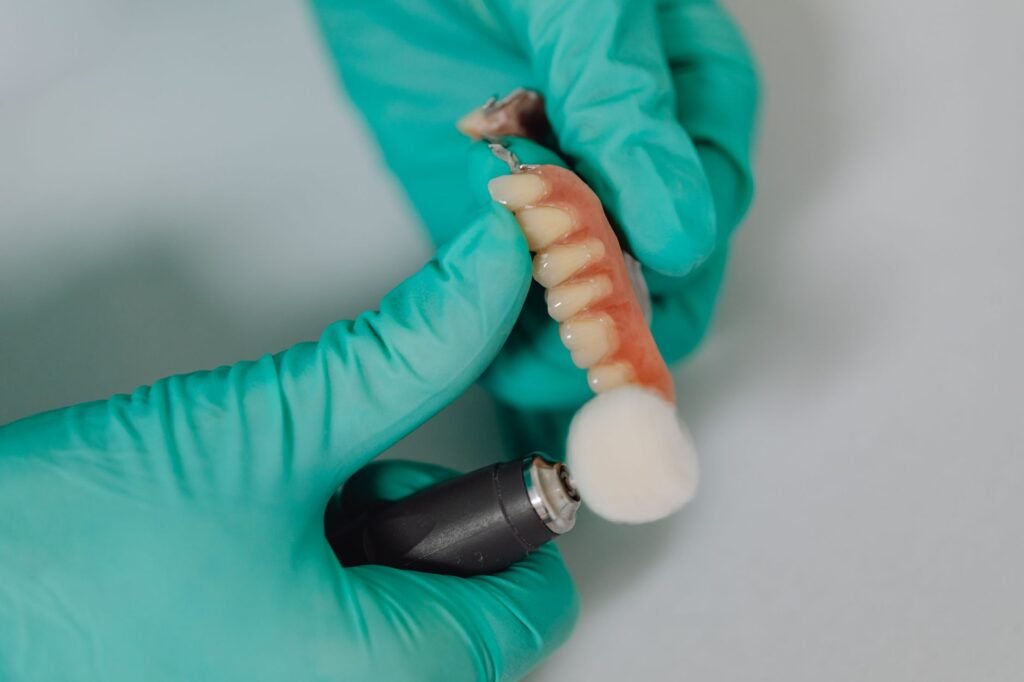
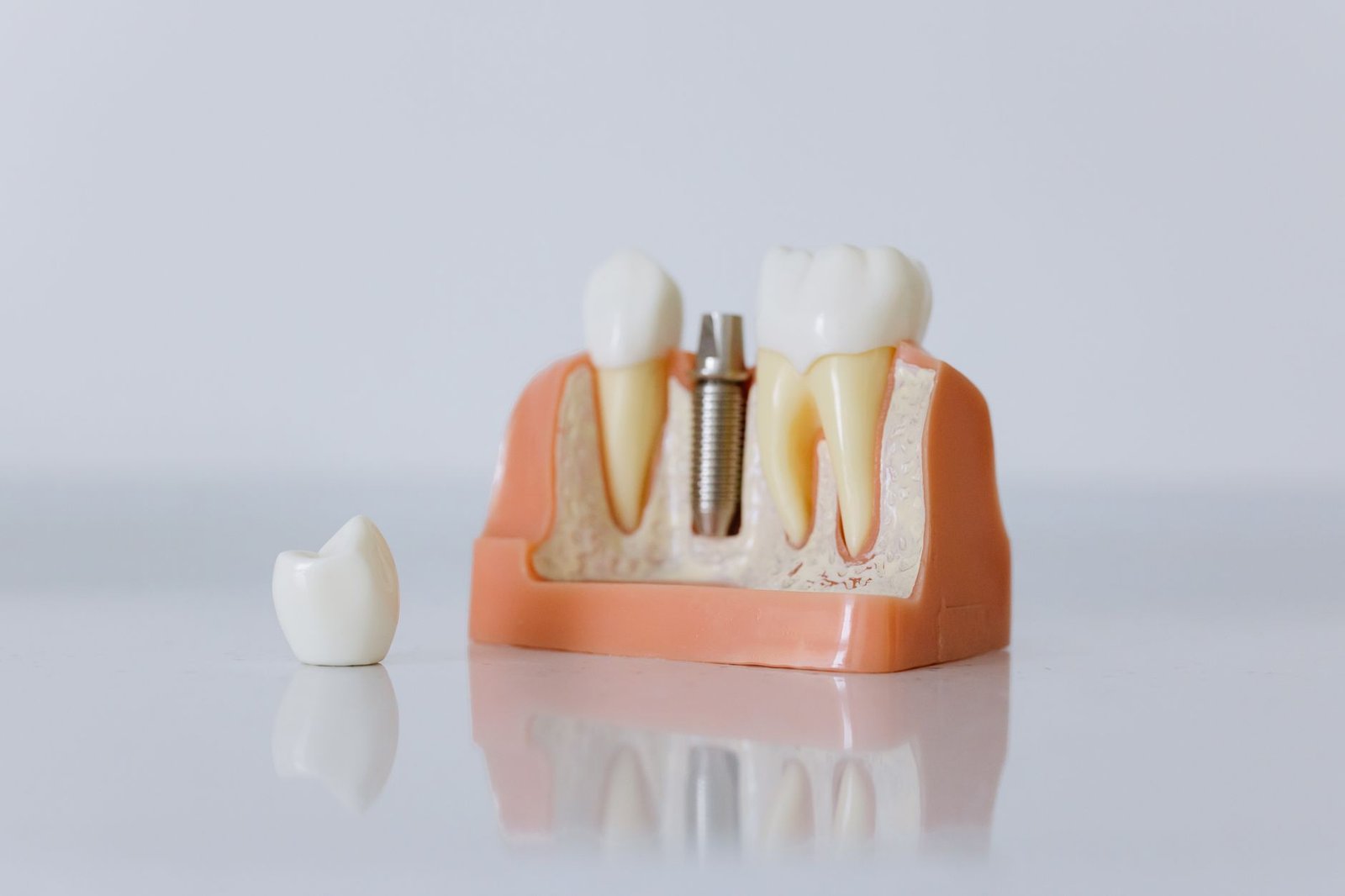
Dental implants are considered the gold standard for tooth replacement because they mimic the structure of a natural tooth. Unlike bridges or dentures, an implant provides a titanium post that fuses with the jawbone, preventing bone loss and providing a permanent solution. But because insurance companies often classify these as ‘cosmetic’ or ‘major’ procedures, coverage is frequently limited. This guide outlines exactly how to save on dental implants in 2026 by leveraging new technology, alternative payment models, and strategic planning.
Understanding the 2026 Dental Implant Price Breakdown
To save money, you must first understand what you are paying for. A dental implant is not a single item; it is a three-part system. In 2026, costs are generally distributed across these components:
- The Implant Post: The titanium or zirconia screw placed into the jawbone.
- The Abutment: The connector piece that joins the post to the crown.
- The Restoration (Crown): The visible part of the tooth, often made of porcelain or zirconia.
Additional costs often arise from diagnostic imaging, such as CBCT scans, which have become the standard in 2026 for precision placement. According to the American Dental Association, digital workflows are reducing the time spent in the chair, but the initial hardware costs remain high due to inflation in specialized medical grade materials.
10 Actionable Steps to Save on Dental Implants in 2026
If you are facing a quote for major dental work, do not accept the first price you receive. Follow this checklist to potentially save thousands of dollars on your procedure:
- Compare Dental Savings Plans vs. Insurance: In 2026, many patients find that ‘Dental Savings Plans’ offer better discounts on implants (often 20% to 50% off) compared to PPO insurance, which may have a $1,500 annual cap that an implant immediately exceeds.
- Utilize University Dental Schools: Many state universities offer dental implant clinics where residents—supervised by expert faculty—perform procedures at a fraction of the cost of private practice.
- Maximize Your HSA or FSA: Ensure you are using pre-tax dollars to pay for your surgery. Check the latest 2026 FSA Rules and Limits Guide to see how much you can contribute this year.
- Ask for a ‘Cash Discount’: Many offices will reduce the total bill by 5% to 10% if you pay in full upfront with cash or a check, as it saves them from credit card processing fees.
- Bundle Your Procedures: If you need multiple implants, such as an ‘All-on-4’ restoration, the cost per implant is significantly lower than doing individual teeth over several years.
- Inquire About In-House Financing: Avoid high-interest third-party medical credit cards if your dentist offers 0% interest in-house payment plans.
- Verify 3D-Printing Options: Ask if the office uses in-house 3D printing for their crowns and surgical guides. This often removes the ‘middleman’ lab fee, which can save $300 to $700 per tooth.
- Seek a ‘Biological Dentist’ for Alternatives: Sometimes a bridge or a partial denture is a more viable financial option while you save for a permanent implant.
- Domestic Dental Tourism: Prices vary wildly by state. A procedure in a mid-sized city in the Midwest may be 40% cheaper than the same procedure in New York or San Francisco.
- Negotiate the Diagnostic Fees: Ask if the cost of the initial 3D scan (CBCT) can be applied toward the surgery if you choose to move forward with that provider.
New 2026 Technologies That Lower Costs
Technological advancement is the primary reason why implant prices have stabilized despite economic pressures. In 2026, AI-driven diagnostic software allows dentists to plan the surgery in a virtual environment. This reduces the risk of failure and the need for expensive ‘revision’ surgeries.
Furthermore, the rise of zirconia implants as a viable alternative to titanium has increased market competition. Zirconia is often favored by those with metal sensitivities, and as production has scaled in 2026, the price gap between titanium and zirconia has narrowed significantly. Furthermore, New Dental Insurance Rules 2026 are beginning to recognize these advancements, occasionally offering better reimbursement rates for digitally-planned surgeries which have higher success rates.
Comparison: Dental Insurance vs. Dental Savings Plans
Choosing the right way to pay is the single biggest factor in your final bill. The following table compares the two most common financial vehicles for dental work in 2026.
| Feature | Traditional PPO Insurance | 2026 Dental Savings Plan |
|---|---|---|
| Annual Maximum | Usually $1,500 – $2,500 | No Limit |
| Waiting Period | 6 – 12 Months for Implants | None (Instant Activation) |
| Pre-existing Conditions | Often Excluded (Missing Tooth Clause) | Always Covered |
| Discount Rate | 20% – 50% (until cap reached) | 20% – 60% Flat Rate |
| Paperwork | Complex Claims Process | None (Pay the Discounted Rate) |
The Role of Medical Insurance in Dental Implant Savings
A little-known secret in 2026 is that some dental implant procedures may be covered under your medical insurance rather than your dental insurance. This typically occurs when the tooth loss is the result of a medical trauma, a congenital defect, or a complication from another medical condition like oral cancer.
According to CMS.gov, certain reconstructive procedures that are medically necessary are eligible for different reimbursement tiers. Always ask your oral surgeon to provide a medical narrative for your insurance company to see if the ‘surgical’ portion of the implant can be billed to your health insurance, leaving your dental insurance to cover the ‘restorative’ (crown) portion.
Strategies for Navigating Dental Tourism
While many Americans consider traveling abroad for dental work, ‘Domestic Dental Tourism’ is a rising trend in late 2026. Traveling to areas with a lower cost of living within the US provides the benefits of lower overhead costs without the risks associated with international travel and varying regulatory standards. When exploring this option:
- Check Credentials: Ensure the dentist is a member of the American Academy of Implant Dentistry (AAID).
- Factor in Travel Costs: A $1,000 saving is erased if you have to fly back four times for follow-up appointments.
- Request a Virtual Consultation: Many high-volume implant centers in 2026 offer free Zoom consultations to review your X-rays before you travel.
Financing Your Smile: What to Look for in 2026
If you cannot pay the full amount upfront, 2026 offers several financing models. However, you must be cautious. The ‘Buy Now, Pay Later’ (BNPL) trend has reached the medical field, but interest rates can be predatory if a payment is missed. Look for providers who partner with companies offering ‘No Interest if Paid in Full’ within 12 to 24 months. These plans are ideal if you are expecting a tax refund or a work bonus but need the surgery immediately to prevent further bone loss.
For more details on navigating these financial shifts, see our guide on New Dental Insurance Rules 2026.
Conclusion: Taking the First Step Toward Your New Smile
Saving on dental implants in 2026 requires a combination of early planning and the use of modern financial tools. By bypassing traditional insurance limitations through dental savings plans, utilizing university clinics, and taking advantage of 3D-printing technological efficiencies, the ‘luxury’ of dental implants is becoming an attainable reality for more Americans. Start by getting a comprehensive quote, asking for your CBCT scans, and comparing that data against the savings strategies mentioned above.
Frequently Asked Questions
How much do dental implants cost in 2026?
In 2026, the average cost for a single dental implant in the US ranges from $3,000 to $6,000, which includes the post, abutment, and crown.
Are dental savings plans better than insurance for implants?
Yes, for many patients. Dental savings plans have no annual maximums and no waiting periods, making them ideal for high-cost procedures like implants that often exceed insurance caps.
Does Medicare cover dental implants in 2026?
Original Medicare generally does not cover dental implants unless they are part of a covered medical procedure. However, some Medicare Advantage (Part C) plans in 2026 may offer supplemental dental coverage that includes implants.
Can I use my FSA to pay for dental implants?
Yes, dental implants are a qualified medical expense. Using your FSA or HSA allows you to pay for the procedure with pre-tax dollars, saving you roughly 20-30% depending on your tax bracket.