
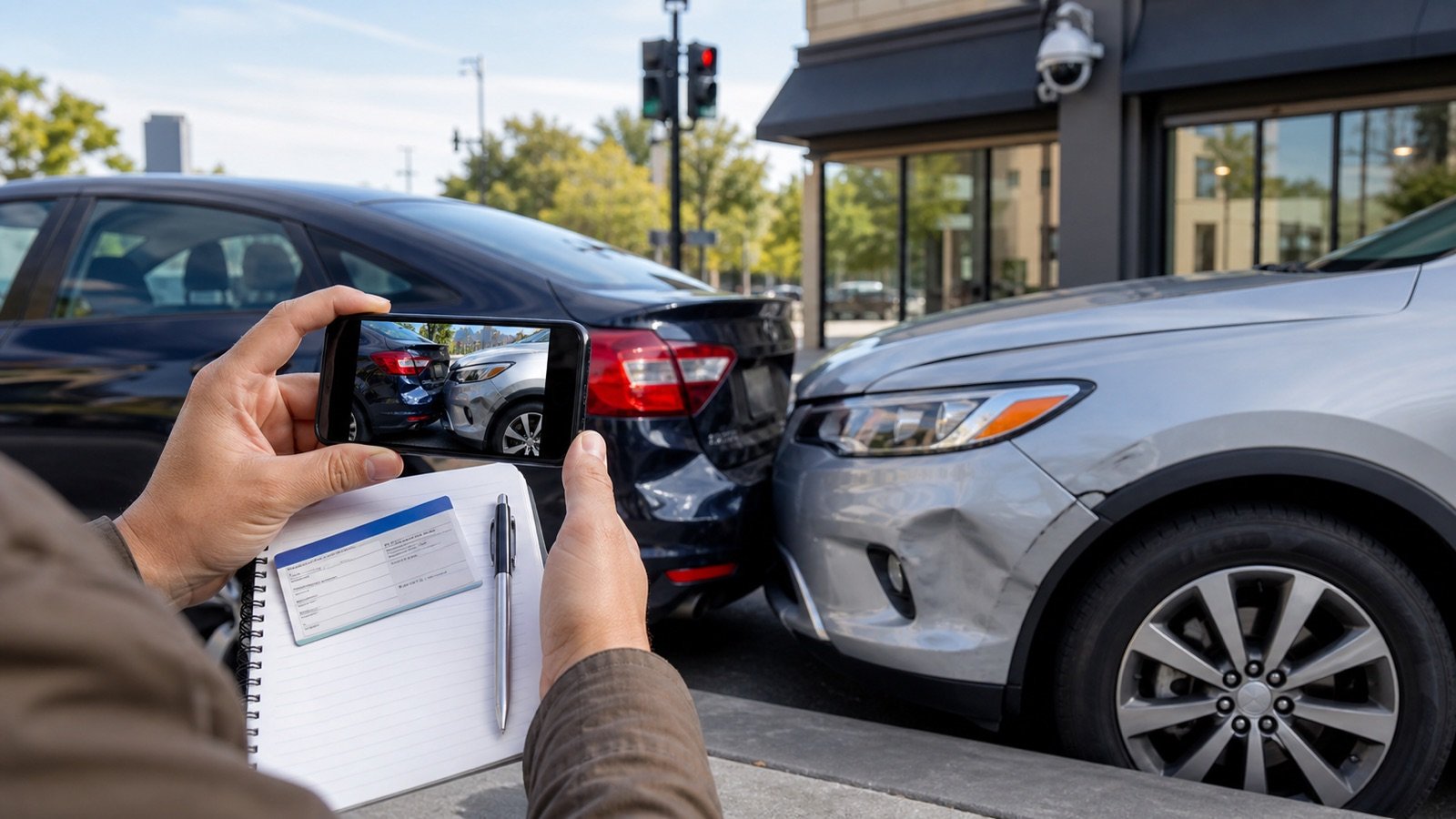
An insurer’s first view of a car crash is not necessarily the final word. Fault decisions can change when photographs, witness accounts, vehicle data or a corrected report shows that the original information was incomplete. The strongest response is a prompt, factual record—not an argument based on assumptions.
This guide explains practical steps for disputing car accident fault in the United States. Liability, insurance systems, filing deadlines and evidence rules vary by state, so use it as a framework and confirm local requirements with your state insurance department or a licensed attorney.
Put safety and medical care first
Call 911 when anyone is injured or the scene is unsafe. If vehicles can be moved and local instructions permit it, get out of traffic. Do not delay necessary medical care to gather evidence. Some symptoms develop later, so follow medical advice and keep an accurate record of visits, diagnoses, treatment and work restrictions.
At the scene, exchange the information required by local law. Stay calm and describe observable facts. Avoid guessing about speed, distance, injuries or the cause of the crash. A polite expression of concern is not the same as a legal conclusion, but an inaccurate admission can complicate a claim.
Preserve evidence before it disappears
The National Association of Insurance Commissioners recommends recording the date, time, exact location, road and weather conditions, vehicle details, witnesses and responding officer. If it is safe, photograph the overall scene from several angles before vehicles are moved, then capture:
- damage to every involved vehicle, including close and wide views;
- vehicle positions, lane markings, signs and traffic signals;
- skid marks, debris, sight obstructions and road defects;
- license plates and the other driver’s insurance information;
- visible injuries, with the injured person’s consent; and
- the surrounding businesses, homes, buses or vehicles that may have cameras.
Keep original files with their metadata. Do not crop, filter or annotate the only copy. Back them up, and write a short account while your memory is fresh. Separate what you personally observed from what another person told you.
Request reports and time-sensitive records
Ask the responding agency how to obtain the crash report and its report number. A police report can be influential, but it is not always a final legal finding. Officers may not have witnessed the collision, and a report can contain a wrong vehicle, diagram, statement or insurance detail.
If you find a factual error, contact the agency through its published correction or supplemental-report process. Identify the exact item, provide supporting material and keep the request professional. Agencies may correct objective errors while declining to change an officer’s opinion.
Video can be overwritten quickly. Ask nearby property owners to preserve relevant footage, but do not trespass or pressure them to release it. Public traffic-camera footage may require a formal records request. Dashcam files, connected-vehicle information and event data recorder (EDR) data may also matter. NHTSA explains that an EDR can record a few seconds of technical information around a crash; access, consent and admissibility questions may require professional help.
Notify the insurer and build a claim file
Report the crash promptly under your policy’s notice provisions. Give accurate facts and ask for the claim number, adjuster’s contact information and the process for submitting evidence. Cooperation duties are defined by the policy, but you can ask what information is requested and why before giving a recorded statement or signing a broad authorization.
Create one chronological file containing:
- the policy and coverage declarations;
- the crash report and correction requests;
- photos, video, diagrams and witness contact details;
- tow, storage, repair and rental records;
- medical bills and employment-loss documentation;
- emails, letters and a dated call log; and
- every written fault or coverage decision.
Do not repair or dispose of a seriously damaged vehicle before the insurer has a reasonable opportunity to inspect it, unless safety or storage circumstances require action. Photograph it thoroughly and preserve invoices.
How to challenge an insurer’s fault decision
- Ask for the decision in writing. Request the facts, policy provisions and state rules the adjuster relied on.
- Identify the precise disagreement. Examples include a reversed vehicle position, ignored signal phase, mistaken witness statement or missing video.
- Submit organized evidence. Use a short cover letter, a timeline and numbered exhibits. Explain what each item proves without overstating it.
- Request reconsideration. Ask the adjuster or supervisor to respond to the disputed points in writing.
- Use the policy’s review tools. An appraisal clause may address vehicle value or repair cost, but it often does not decide liability. Read the clause carefully.
- Contact the state regulator. If the dispute concerns claim handling, delays or an unexplained decision, the NAIC directory of state insurance departments can help you find the proper consumer-assistance office.
A regulator can review whether an insurer followed applicable rules, but it may not decide contested facts or award damages like a court. Keep complying with valid deadlines while a complaint is pending.
Fault rules are state-specific
Do not assume a rear-end, left-turn or lane-change crash has an automatic outcome. Traffic laws create duties, but the evidence and available defenses still matter. States also use different systems for allocating responsibility. Depending on the jurisdiction, a claimant’s percentage of fault may reduce recovery or, above a threshold, bar it. “No-fault” auto insurance generally concerns how certain injury benefits are paid; it does not mean responsibility is irrelevant for every claim.
The applicable law may depend on where the crash occurred, not where a driver lives or where the insurer is based. Confirm the rule rather than relying on a generic online percentage chart.
Evaluate witnesses and technical evidence fairly
A useful witness account records where the person was, what they could see and hear, and what happened in sequence. Avoid coaching a witness or asking them to adopt your conclusion. If accounts differ, compare vantage point, obstructions, lighting, timing and consistency with physical evidence.
Accident reconstruction, engineering, medical or economic experts can help in complex or high-value cases, but expertise must match the question. Ask about credentials, methodology, scope and cost. A credible expert should analyze all relevant evidence, including facts that do not favor your position.
When legal advice becomes especially important
Consider speaking with a lawyer licensed in the relevant state when there is a serious injury or death, disputed commercial-vehicle responsibility, multiple vehicles, an uninsured driver, a government vehicle or roadway claim, a possible defective vehicle, a lawsuit, or a deadline you do not understand. Minors and incapacitated people can have additional rules.
Ask how fees and case expenses work, who will handle the matter, and what deadlines apply. No ethical lawyer can guarantee a result. Be cautious of pressure to sign immediately or promises of a specific recovery before the evidence is reviewed.
Mistakes that can weaken a dispute
- Posting crash details, injuries or activities publicly on social media.
- Editing or deleting original photos, messages or vehicle data.
- Contacting witnesses repeatedly or suggesting what they should say.
- Signing a release without understanding which claims it ends.
- Missing medical, policy, notice or lawsuit deadlines.
- Ignoring facts that appear unfavorable instead of addressing them accurately.
Good documentation also supports safer vehicle decisions after a loss. If repair costs, reliability or replacement become part of the claim, our luxury vehicle buying guide explains how to compare total ownership costs and written quotes.
The bottom line
To dispute car accident fault effectively, preserve evidence, request the basis for the decision, correct objective errors and present a clear timeline tied to documents. Escalate claim-handling concerns through the insurer and state insurance department, and obtain state-specific legal advice when injuries, large losses or deadlines raise the stakes.
This article provides general U.S. information and is not legal advice. Laws, policy terms and deadlines vary. Consult a qualified professional about your circumstances.