Celebrate Car-Free Saturdays: Summer Streets NYC 2026 Kickoff
Today, August 1, 2026, marks the beginning of one of New York City’s most anticipated summer traditions. Summer Streets NYC 2026 officially returns, transforming miles of city streets into open spaces for pedestrians, cyclists, and runners. This year, the program continues its ambitious expansion, ensuring that residents in every borough have access to miles of car-free recreation during the first three Saturdays of August.
Whether you are looking to bike from the Brooklyn Bridge to Harlem or explore the newly expanded routes in Staten Island, understanding the logistics is key. This guide provides a deep dive into the 2026 schedule, specific route breakdowns for each borough, and essential safety tips to keep you cool during the August heat.
Summer Streets NYC 2026 Official Schedule
For 2026, the NYC Department of Transportation (DOT) has maintained the expanded window of 7:00 AM to 1:00 PM. During these hours, motorized vehicles are strictly prohibited on designated routes, allowing for a seamless flow of foot and bike traffic. The dates for this year’s program are as follows:
- Saturday, August 1: Queens and Staten Island Kickoff
- Saturday, August 8: Manhattan Core Route
- Saturday, August 15: Brooklyn and The Bronx Routes
It is important to note that while the event officially ends at 1:00 PM, street closures typically begin as early as 6:00 AM for setup, and streets usually reopen to vehicle traffic by 2:00 PM following a thorough cleaning by the Department of Sanitation.
Detailed Route Breakdown by Borough
The 2026 program features over 20 miles of open streets. Each borough offers a unique landscape, from the industrial vistas of Long Island City to the historic avenues of Manhattan.
Manhattan: The Flagship Route
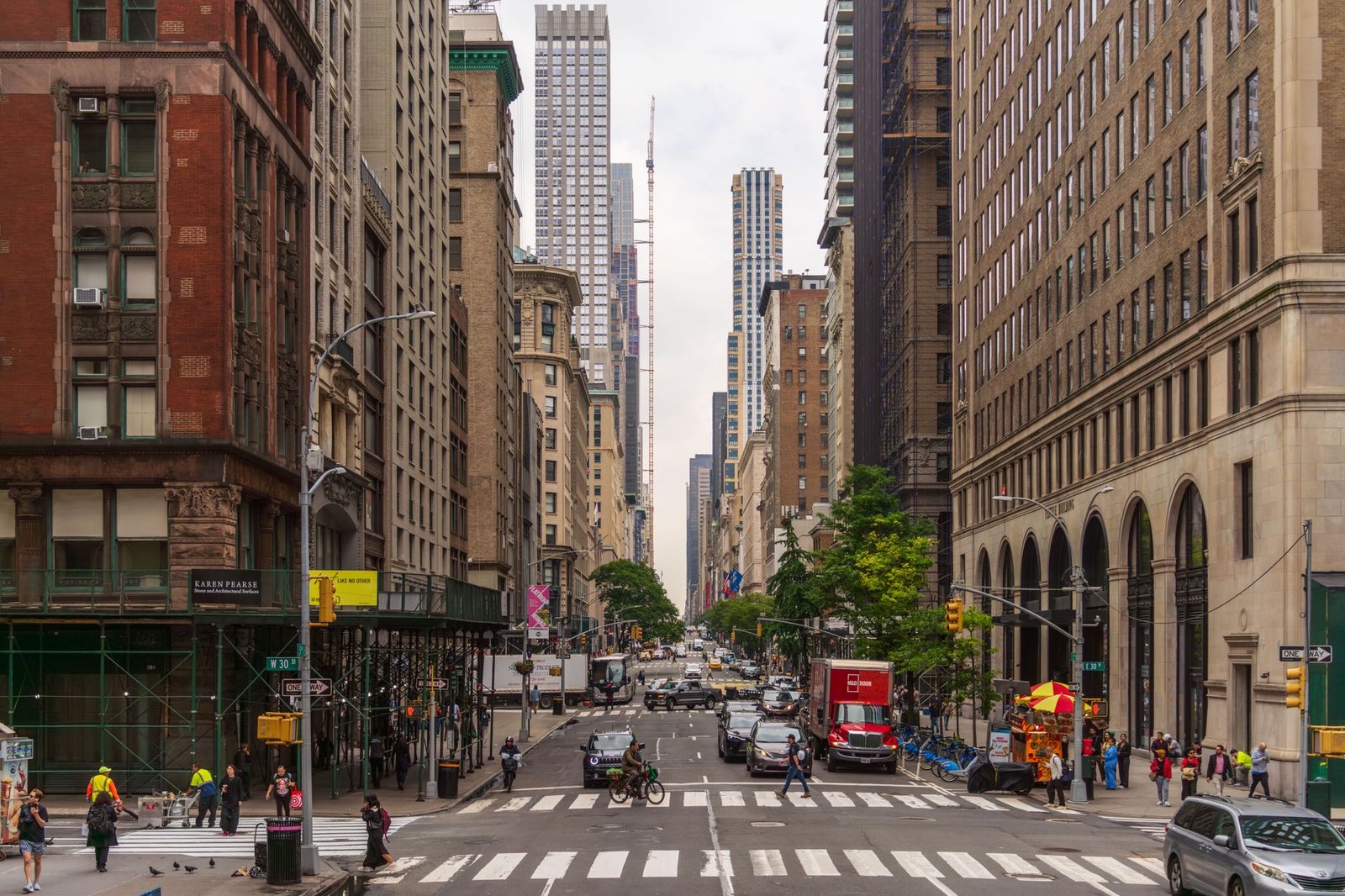
The Manhattan route remains the crown jewel of the program. Spanning from the Brooklyn Bridge all the way to West 125th Street, this route allows participants to travel through the heart of the city without the sound of a single car horn. Key segments include:
- Lafayette Street and Park Avenue: The primary north-south artery connecting Lower Manhattan to Grand Central Terminal.
- The Park Avenue Viaduct: A rare opportunity to walk or bike over the elevated road surrounding Grand Central.
- East and West 125th Street: Connecting the route to the vibrant culture of Harlem.
Brooklyn: Eastern Parkway Expansion
In Brooklyn, the route centers on Eastern Parkway, connecting Grand Army Plaza to Atlantic Avenue. This route is particularly popular for families due to its proximity to the Brooklyn Museum and the Prospect Park Zoo. For those planning to attend with children, it may be helpful to check your back-to-school shopping list 2026 early to ensure you have the right backpacks and hydration gear for a long day of walking.
Queens and Staten Island: The August 1 Highlights
As today is the first Saturday, the focus is on Queens and Staten Island. The Queens route runs along Vernon Boulevard, offering stunning views of the Manhattan skyline across the East River. In Staten Island, the route utilizes Richmond Terrace, providing a scenic path along the North Shore.
Activity Hubs and Programming
Summer Streets is more than just an open road; it is a festival of fitness and culture. Along each route, the DOT establishes “Rest Stops” or activity hubs. In 2026, these hubs feature:
- Fitness Zones: Free yoga, HIIT, and dance classes led by local instructors.
- Performance Stages: Live music, theatrical performances, and workshops.
- Self-Care Stations: Sunscreen dispensers, cooling misters, and hydration stations.
- Bike Services: Free minor repairs and helmet fittings provided by local advocacy groups.
Comparison: Summer Streets 2026 vs. Previous Years
To help you plan, here is a quick look at how the 2026 program has evolved compared to previous iterations.
| Feature | Summer Streets 2024 | Summer Streets 2026 |
|---|---|---|
| Total Miles | ~20 Miles | ~24 Miles |
| Borough Participation | 5 Boroughs | 5 Boroughs (Expanded Routes) |
| Operating Hours | 7 AM – 1 PM | 7 AM – 1 PM |
| Hydration Stations | Standard Fountains | Smart Hydration Hubs w/ Misters |
Essential Safety and Preparedness Tips
August in New York City can be sweltering. Participating in an outdoor event of this scale requires careful preparation to avoid heat-related illnesses. Here are the top recommendations for 2026 participants:
1. Hydrate Early and Often: Don’t wait until you are thirsty. Bring a reusable water bottle and take advantage of the numerous NYC Water fountains and cooling stations along the route. If the temperatures exceed 90 degrees, it is vital to review extreme heat safety protocols to recognize symptoms of heat exhaustion.
2. Wear Sun Protection: There is very little shade on major avenues like Park Avenue or Vernon Boulevard. Use a broad-spectrum SPF 30+ sunscreen, wear a wide-brimmed hat, and choose lightweight, light-colored clothing.
3. Know Your Transit Options: Many subway stations along the routes do not have elevators. If you are bringing a bicycle, plan your entry and exit points carefully. The MTA provides real-time updates on elevator status and service changes that may affect your travel to the event.
Impact on Driving and Traffic
For those who must drive in the city on these Saturdays, significant delays are expected. Crossing Manhattan east-to-west becomes particularly challenging as many of the major avenues are closed. The DOT recommends using the FDR Drive or the West Side Highway for north-south travel, though these routes often experience increased volume during the event.
Major closures include:
- Lafayette Street from Brooklyn Bridge to Union Square.
- Park Avenue from Union Square to 125th Street.
- Vernon Boulevard in Queens (August 1).
- Eastern Parkway in Brooklyn (August 15).
For real-time traffic alerts, drivers should consult the NYC DOT Weekly Traffic Advisory portal before heading out.
Sustainability and Environmental Impact
Summer Streets serves as a massive case study for urban sustainability. By removing thousands of cars from the road for even a few hours, the city sees a measurable dip in local air pollution and noise levels. The 2026 program emphasizes this by partnering with local environmental groups to host “Eco-Hubs,” where participants can learn about composting, urban gardening, and the city’s transition to electric transit.
Many of the food vendors at the rest stops are now required to use 100% compostable packaging, aligning with the city’s broader zero-waste goals for the late 2020s. Participants are encouraged to “leave no trace” and use the clearly marked recycling and compost bins located at every activity center.
Frequently Asked Questions
As the event kicks off today, several common questions arise regarding participation and rules.
Is Summer Streets free to attend?
Yes, Summer Streets is completely free for everyone. All activities, performances, and fitness classes are open to the public without charge. Some specific high-demand activities, like zip-lining or climbing walls (where available), may require advance registration or a waiver on-site.
Can I bring my dog to Summer Streets?
Yes, leashed dogs are welcome on the routes. However, owners should be mindful of the pavement temperature, which can become hot enough to burn a dog’s paws. It is recommended to stick to the early morning hours (7:00 AM to 9:00 AM) if you are bringing a pet.
Are electric scooters and e-bikes allowed?
Class 1 and Class 2 e-bikes are permitted, but they must be operated at a safe speed. Given the high density of pedestrians and children, participants are asked to maintain a “neighborhood pace.” Motorized scooters (mopeds) and other gasoline-powered vehicles are strictly prohibited.
The Future of Open Streets in NYC
The success of Summer Streets 2026 is expected to influence the permanent Open Streets program. City planners are closely monitoring the 2026 data to determine if certain segments of the Manhattan route could eventually be transitioned into permanent pedestrian plazas or limited-access transit ways. As the city moves toward 2030, the emphasis on reclaiming street space for people continues to be a central pillar of New York’s urban development strategy.
Whether you are a lifelong New Yorker or a first-time visitor, Summer Streets NYC 2026 offers a rare, peaceful perspective of a city that is usually defined by its frantic pace. Grab your bike, lace up your sneakers, and enjoy the open road this August.
Frequently Asked Questions
What time does Summer Streets NYC 2026 start and end?
The event runs from 7:00 AM to 1:00 PM on the first three Saturdays of August (August 1, 8, and 15, 2026).
Which borough is hosting Summer Streets today, August 1?
Today’s routes are located in Queens (Vernon Boulevard) and Staten Island (Richmond Terrace).
Are there water stations along the Summer Streets routes?
Yes, the NYC DOT provides numerous hydration stations and cooling misters at designated rest stops in all five boroughs.
Can I rent a bike during the event?
Yes, Citi Bike stations are located throughout the routes, and some activity hubs offer free short-term bike loans or rentals on a first-come, first-served basis.