Sustainable home gardening has evolved from a niche hobby into a cornerstone of the modern American lifestyle. As we look toward 2026, the movement toward “urban homesteading” is gaining unprecedented momentum. Driven by a desire for food security, environmental stewardship, and a more intentional way of living, millions of Americans are transforming backyards, balconies, and even windowsills into productive edible landscapes. This shift isn’t just about growing vegetables; it’s about creating a resilient ecosystem within the home.
By 2026, the integration of smart technology with traditional regenerative practices will define how we interact with our food sources. Whether you are a seasoned horticulturalist or a first-time planter, understanding the new standards of sustainability is essential for a thriving garden. This guide explores the latest trends, essential techniques, and the financial benefits of adopting a sustainable home gardening lifestyle in the coming year.
Why Sustainable Gardening is the Top Lifestyle Trend of 2026
The concept of the “victory garden” has been reimagined for the 21st century. In 2026, the primary motivator for home gardening is the pursuit of hyper-local food systems. Consumers are increasingly wary of long supply chains and the environmental footprint of store-bought produce. Sustainable home gardening 2026 focuses on three main pillars: biodiversity, water conservation, and soil health.
Unlike traditional gardening, which often relied on chemical fertilizers and heavy water usage, the 2026 approach prioritizes regenerative techniques. This means working with nature rather than against it. Gardeners are now focusing on “no-till” methods that preserve the fungal networks in the soil, which in turn leads to more nutrient-dense food. This lifestyle shift is also closely linked to the longevity lifestyle, as the physical activity and dietary benefits of gardening are proven to extend healthspan.
Planning Your 2026 Garden: Climate-Resilient Plants
As weather patterns become more unpredictable, choosing the right plants is more critical than ever. The USDA Plant Hardiness Zone Map was recently updated to reflect shifting climates, and by 2026, successful gardeners will be those who adapt their plant selections accordingly. The focus is shifting toward native species and drought-tolerant varieties that can withstand extreme heat and fluctuating rainfall.
- Heat-Tolerant Heirloom Seeds: Varieties like ‘Cherokee Purple’ tomatoes and ‘Okra’ are seeing a resurgence for their ability to thrive in warmer US summers.
- Native Perennials: Planting native berries and fruit trees reduces the need for supplemental watering and supports local pollinators.
- Short-Season Crops: In regions with volatile springs, gardeners are opting for fast-maturing leafy greens and radishes to maximize yields before extreme weather hits.
Furthermore, edible landscaping—the practice of replacing purely ornamental plants with those that provide food—is a dominant trend. Imagine replacing a thirsty lawn with a drought-resistant clover meadow interspersed with blueberry bushes and fruit trees. This approach maximizes space while providing a beautiful, functional outdoor area.
Smart Technology in the Modern Garden
While the goal is sustainability, technology plays a vital role in 2026. High-tech tools now allow gardeners to manage their resources with surgical precision. Automated irrigation systems, soil sensors, and AI-driven growth monitors are no longer luxury items; they are essential for minimizing waste. This mirrors the rise of other home-based technologies, such as smart home gym trends, where data helps optimize results.
Comparison of Gardening Approaches for 2026
| Feature | Traditional Gardening | Sustainable Urban Homesteading | Hydroponic/Smart Systems |
|---|---|---|---|
| Water Usage | High (overhead watering) | Low (drip irrigation & mulching) | Minimal (recirculating water) |
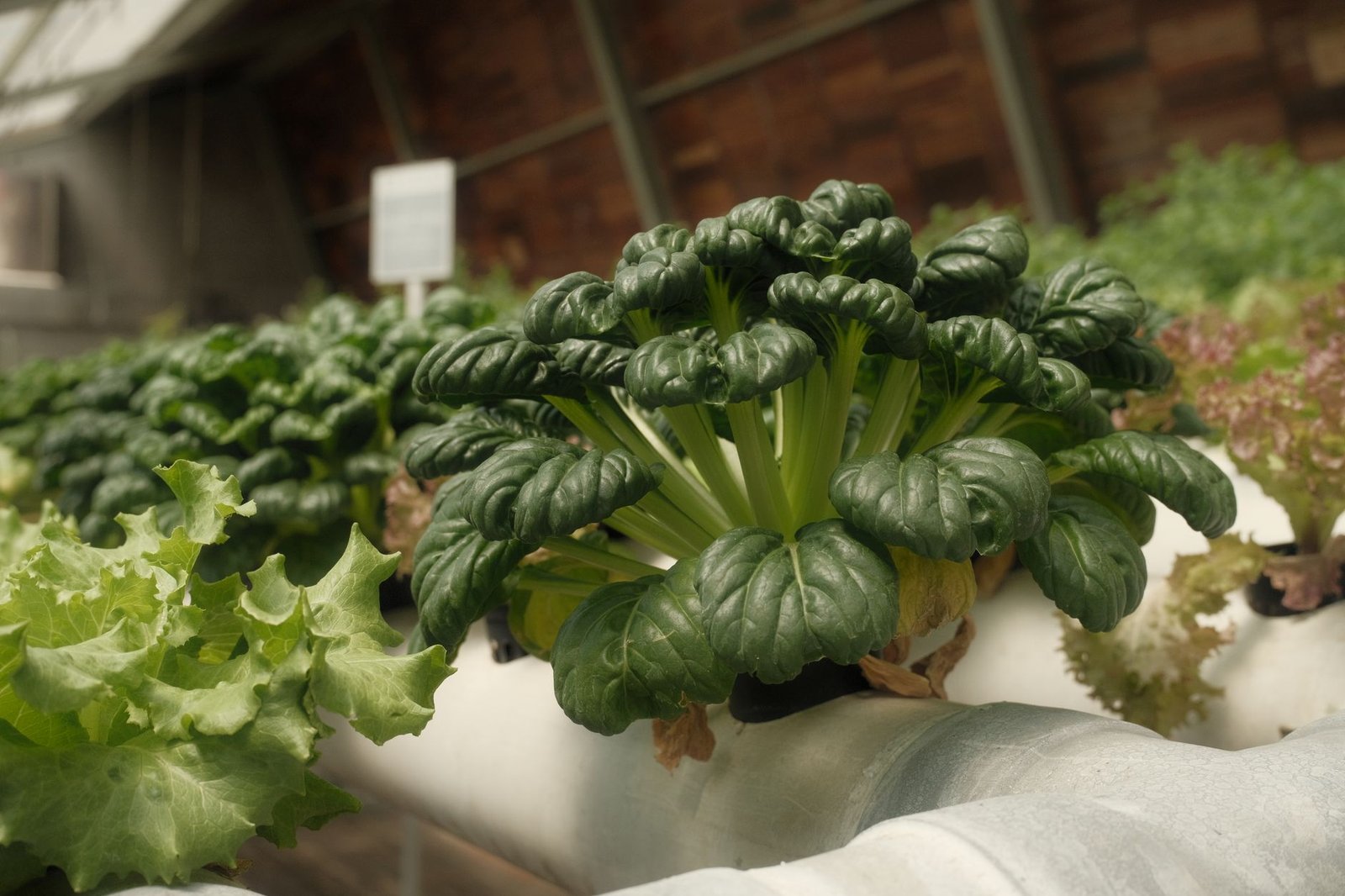
| Soil Management | Chemical fertilizers & tilling | Compost & no-till methods | Soilless (nutrient solutions) |
| Space Requirement | Large backyard needed | Flexible (vertical & containers) | Compact (indoor/outdoor pods) |
| Environmental Impact | Moderate (runoff issues) | Positive (supports biodiversity) | Neutral/Low (energy dependent) |
Urban Homesteading: Growing Food in Small Spaces
By 2026, more than 80% of the US population resides in urban or suburban areas, making space-efficient gardening a necessity. Urban homesteading has emerged as a solution for apartment dwellers and those with small yards. The 2026 guide to small-space gardening focuses on verticality and container optimization.
Vertical Gardening: Using trellises, wall-mounted planters, and “tower gardens” allows for a high volume of produce in a footprint of just a few square feet. Vining plants like cucumbers, pole beans, and certain squash varieties are ideal for this method. Micro-Gardening: Growing microgreens and sprouts on windowsills provides a year-round supply of nutrients with almost zero outdoor space required.
Community gardening is also seeing a massive revival. In many US cities, local governments are converting vacant lots into shared agricultural spaces. These gardens serve as social hubs, fostering community resilience and providing fresh produce to neighborhoods that might otherwise be food deserts.
The Financial Benefits of Growing Your Own Food in 2026
With grocery prices continuing to be a significant concern for American households, the return on investment (ROI) for a home garden has never been higher. A well-maintained sustainable home garden can significantly offset monthly food costs. For example, a single organic tomato plant can produce 10 to 15 pounds of fruit over a season, often costing less than a single pound at a high-end grocer.
- Seed Saving: In 2026, more gardeners are practicing seed saving, which eliminates the annual cost of buying new seeds and ensures plants are adapted to the specific micro-climate of the garden.
- Composting: By converting kitchen scraps into “black gold,” gardeners save money on expensive bags of soil and fertilizer while reducing waste management costs.
- Perennial Harvests: Investing in perennial vegetables like asparagus, artichokes, and rhubarb pays dividends for decades, as they require minimal maintenance and no replanting costs.
Water Conservation and Soil Health Strategies
Water is the most precious resource in sustainable home gardening. By 2026, many parts of the US, particularly in the West and Southwest, face strict water regulations. Implementing EPA WaterSense-approved strategies is vital for compliance and ecological health.
Drip Irrigation: Directing water to the base of the plant reduces evaporation and prevents fungal diseases caused by wet foliage. Rainwater Harvesting: Using rain barrels to collect runoff from roofs provides a free, chlorine-free water source for the garden. Mulching: Applying a thick layer of organic mulch (like straw or wood chips) keeps the soil cool and retains moisture, reducing the frequency of watering by up to 50%.
Soil health is equally important. The “Soil First” movement of 2026 emphasizes the importance of carbon sequestration. By avoiding tilling and using cover crops like clover or winter rye, home gardeners can actually help pull carbon out of the atmosphere and store it in the ground, making their hobby a direct tool for climate action.
Overcoming Common Gardening Challenges in the US
Despite the benefits, gardening in 2026 comes with its own set of challenges. Pests and diseases are shifting along with the climate. The sustainable approach to pest management is Integrated Pest Management (IPM). Instead of reaching for synthetic pesticides, gardeners are encouraged to:
- Promote Beneficial Insects: Planting marigolds, dill, and lavender attracts ladybugs and predatory wasps that naturally keep aphid populations in check.
- Crop Rotation: Never planting the same family of vegetables in the same spot two years in a row prevents the buildup of soil-borne pathogens.
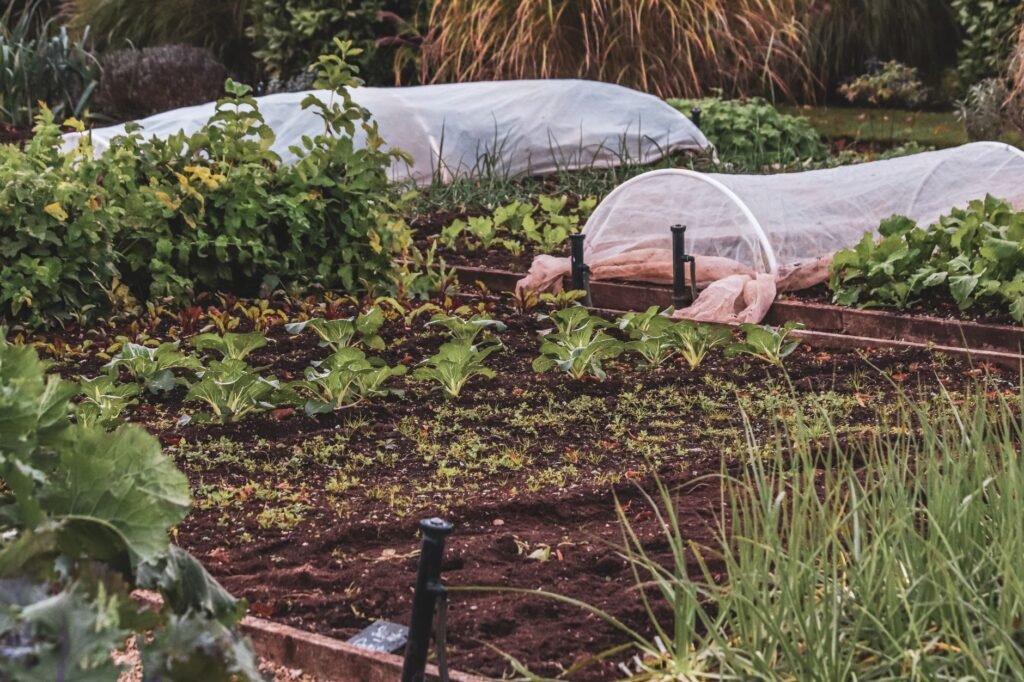
- Physical Barriers: Using fine mesh netting or row covers can protect crops from invasive species like the spotted wing drosophila without the need for chemicals.
For more detailed resources on identifying pests, the National Gardening Association provides extensive databases and community forums for troubleshooting specific regional issues.
Future Outlook: The Role of Community Gardens
As we move deeper into 2026, the distinction between “home” and “community” in gardening is blurring. Neighborhoods are increasingly organizing seed swaps and tool-sharing libraries. This collaborative spirit is essential for long-term sustainability. The rise of “communal homesteading” allows individuals to specialize—one neighbor may focus on chickens and eggs, while another masters high-yield potato growing.
In conclusion, sustainable home gardening in 2026 is a multi-faceted lifestyle choice that offers personal health benefits, financial savings, and a tangible way to help the environment. By embracing climate-resilient plants, utilizing smart technology responsibly, and focusing on soil and water conservation, American households can create thriving, productive spaces that serve as models for the future of urban living.
Watch: A Helpful Video Guide
https://www.youtube.com/watch?v=D_ZBe48-mno
Frequently Asked Questions
What is the best way to start a garden in a small apartment?
Focus on vertical gardening and hydroponics. Using wall-mounted planters or a compact tower garden allows you to grow leafy greens and herbs with minimal floor space.
Which plants are most resilient to the 2026 US climate?
Native perennials and heat-tolerant heirloom varieties like certain tomatoes and peppers are the most resilient. Always check the updated USDA Plant Hardiness Zone Map for your specific region.
How much money can I actually save by gardening?
A well-managed garden can save a family between $50 and $150 per month on organic produce, especially when focusing on high-cost items like berries, herbs, and specialty greens.
What is ‘no-till’ gardening?
No-till is a regenerative practice that avoids digging or turning the soil. This preserves the soil structure and beneficial microorganisms, leading to healthier plants and better carbon sequestration.