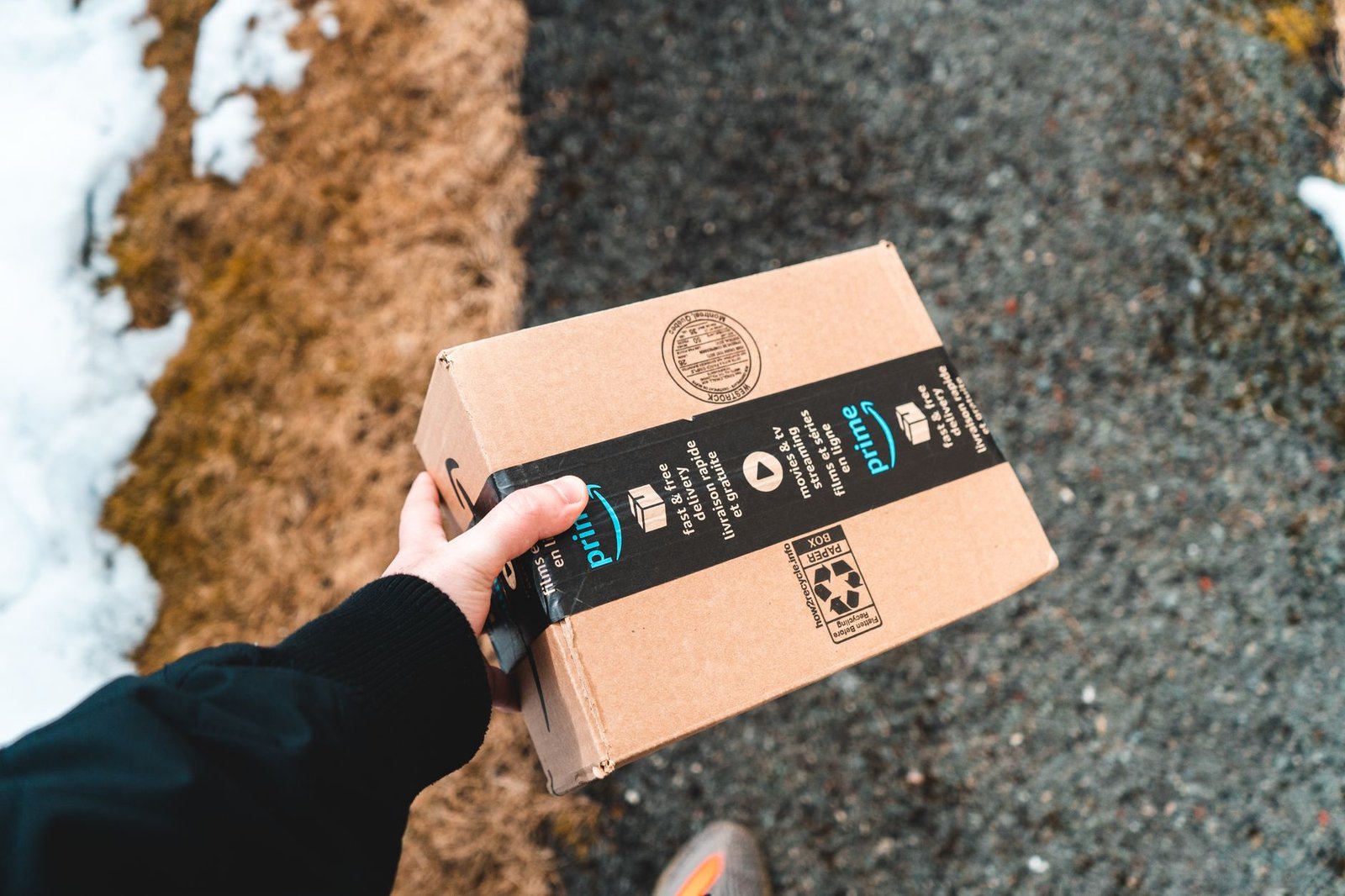
For years, millions of Americans have felt the frustration of trying to cancel an Amazon Prime subscription, only to be met with a labyrinth of confusing buttons, contradictory prompts, and multi-page detours. In 2026, the legal dust is finally settling on one of the most significant consumer protection cases in digital history. The Federal Trade Commission (FTC) lawsuit against Amazon—focused on the use of deceptive “dark patterns”—has moved into a critical phase for consumers seeking an Amazon Prime lawsuit payout.
Whether you were enrolled in Prime without your explicit consent or found it nearly impossible to stop recurring charges, you may be entitled to a portion of the settlement funds. This guide breaks down the eligibility requirements, the filing process, and what this landmark case means for the future of your digital subscriptions.
If you are concerned about your overall digital security and account management during this process, it is also a good time to review how you access your accounts. Using modern security methods like passkeys for passwordless security can help ensure that only you can authorize new subscriptions or changes to your payment methods.
Understanding the FTC vs. Amazon “Dark Patterns” Case
The core of the legal battle stems from a complaint filed by the FTC alleging that Amazon used manipulative user interface designs, known as “dark patterns,” to trick consumers into enrolling in Prime. Once enrolled, the FTC argued that Amazon intentionally complicated the cancellation process—a workflow internally referred to at Amazon as the “Iliad,” referencing Homer’s epic poem about a long and grueling war.
The lawsuit highlighted several key deceptive practices:
- Non-Consensual Enrollment: Using “No Thanks” buttons that were less prominent than “Try Prime” buttons during the checkout process for unrelated items.
- The “Iliad” Cancellation Flow: A mandatory four-page, multi-click process that required users to navigate past multiple offers to stay or switch to monthly billing before they could actually confirm a cancellation.
- Misleading Redirects: Users attempting to cancel were often redirected to pages that didn’t actually process the request but instead provided “information” about the benefits they would lose.
According to the official FTC complaint, these tactics violated the FTC Act and the Restore Online Shoppers’ Confidence Act (ROSCA).
Who is Eligible for an Amazon Prime Lawsuit Payout?
As we move through 2026, eligibility for the Amazon Prime lawsuit payout generally falls into three specific categories. Because this is a government-led enforcement action rather than a traditional private class action, the distribution of funds is handled via a court-ordered redress fund.
1. The “Unintentional” Subscribers
If you can demonstrate that you were enrolled in Amazon Prime while making a purchase for a separate item and were never presented with a clear, unambiguous “Decline” option, you are likely at the top of the list for a refund. This typically covers users who were enrolled between 2019 and 2023, though the window has been expanded in some state-level filings.
2. The “Failed Cancellation” Group
This category includes users who attempted to cancel their subscription but were thwarted by the complexity of the website. If you have records of contacting Amazon customer support to complain about a failed cancellation or if your account data shows you went through the “Iliad” flow but did not successfully reach the final confirmation page, you may be eligible.
3. Prime Video Ad-Tier Claimants
In addition to the FTC case, a separate 2024/2025 class action lawsuit addressed Amazon’s decision to automatically move all Prime members to an ad-supported video tier unless they paid an extra $2.99 per month. Many 2026 payouts are actually a combination of these two legal actions. If you were a Prime member before the ad-tier rollout and were forced to see ads without a price reduction, you may be eligible for a small per-month rebate.
How to File a Claim for Your Refund
Unlike some settlements where you are automatically mailed a check, the Amazon Prime lawsuit payout usually requires an active claim form if your current contact information is not up to date on your Amazon account. Here is the step-by-step process for 2026:
- Visit the Official Redress Site: Do not trust links in unsolicited emails. Only use the URL provided by the FTC or the court-appointed claims administrator.
- Verify Your Identity: You will likely need to provide the email address associated with your Amazon account and the approximate dates you were charged.
- Select Your Claim Type: Indicate whether you are claiming for unauthorized enrollment or a failed cancellation.
- Submit Documentation: While not always required for smaller claims, having screenshots of customer service chats or bank statements showing unauthorized charges can expedite a larger payout.
- Choose Your Payment Method: Most 2026 payouts are being distributed via Zelle, PayPal, or direct deposit to minimize administrative costs.
Comparison: Amazon Cancellation Before and After the Lawsuit
The lawsuit didn’t just seek money; it forced Amazon to change how it interacts with customers. The following table illustrates the changes mandated by the legal pressure and subsequent settlement.
| Feature | Pre-Lawsuit (The “Iliad” Era) | Post-Lawsuit (2026 Standards) |
|---|---|---|
| Steps to Cancel | 6+ clicks across 4 pages | 2-3 clicks on a single page |
| Enrollment Clarity | Buried in “Free Shipping” prompts | Clear “Accept” or “Decline” buttons |
| Confirmation | Often ambiguous or missing | Immediate email and on-screen receipt |
| Retention Offers | Mandatory “Save Your Benefits” pages | Optional, non-obstructive sidebars |
The Broader Impact on Consumer Rights
The Amazon Prime lawsuit payout is a symptom of a larger shift in how the US government regulates the digital economy. We are seeing a global trend toward more transparent billing. For instance, the UK Buy Now Pay Later Rules 2026 reflect a similar push for clarity in financial products, ensuring that consumers aren’t “nudged” into debt or subscriptions they don’t want.
In the US, the FTC is also pushing for a “Click to Cancel” rule. This rule would require all companies to make canceling a subscription just as easy as it was to sign up. If you signed up with one click, you must be able to cancel with one click. The Amazon settlement has become the blueprint for this new standard of consumer protection.
Warning: Avoid Amazon Lawsuit Scams
With high-profile payouts comes a surge in opportunistic scammers. In 2026, many consumers are receiving fraudulent texts and emails claiming they have a “pending refund” from the Amazon settlement. To stay safe, remember:
- No Upfront Fees: You will never have to pay a fee to receive a lawsuit payout. If a site asks for a “processing fee,” it is a scam.
- Official Channels Only: Government agencies like the FTC use .gov websites. Class action administrators will use specific, court-approved domains.
- Protect Your Info: Never provide your full social security number or Amazon password on a claim form. Most legitimate forms only require your name, address, and the email linked to the account.
For more details on protecting your data from modern digital threats, including deceptive pop-ups, read our guide on identifying fake captcha scams.
What If You Missed the Filing Deadline?
If the 2026 deadline for the primary FTC settlement has passed, you may still have options. Often, when large settlements remain unclaimed, a second round of distribution occurs. Additionally, individual states (such as California and New York) frequently file their own supplementary lawsuits against big tech companies for the same practices, which can open new windows for local residents to claim refunds.
Check the Department of Justice Consumer Protection page periodically to see if your state has joined a multi-state settlement that could offer additional relief.
Conclusion
The Amazon Prime lawsuit payout represents more than just a few dollars back in your pocket—it is a major victory for consumer transparency. As digital storefronts become more complex, the legal precedents set in 2026 ensure that the “Iliad” of subscription cancellations remains a thing of the past. If you believe you were unfairly charged, take the time to verify your eligibility and file your claim. It is your right to have control over your own wallet in the digital age.
Watch: A Helpful Video Guide
https://www.youtube.com/watch?v=FOf6h9fGq50
Frequently Asked Questions
How much is the Amazon Prime lawsuit payout per person?
Payouts vary based on the specific group you belong to. Generally, users may receive between $5 and $40, though those with multiple years of unauthorized charges could be eligible for a full refund of their subscription fees.
Is the Amazon Prime lawsuit legitimate?
Yes, the lawsuit was filed by the Federal Trade Commission (FTC) in 2023 and has since reached a settlement/redress phase in 2026. It is a government-led enforcement action.
What are ‘dark patterns’ in the Amazon case?
Dark patterns are deceptive user interface designs intended to trick users into doing things they didn’t intend, such as signing up for a recurring subscription or making it intentionally difficult to find a cancellation button.
Do I need a lawyer to claim my Amazon Prime refund?
No. You do not need an individual lawyer. You simply need to file a claim through the official court-approved settlement administrator once the fund is open for applications.
Can I get a refund if I already canceled my Prime membership?
Yes. If you were a member during the period covered by the lawsuit (typically 2019–2024) and experienced deceptive enrollment or cancellation issues, you are eligible even if you are no longer a member.