Emergency Overview: The 2026 Capital District Flash Flood Event
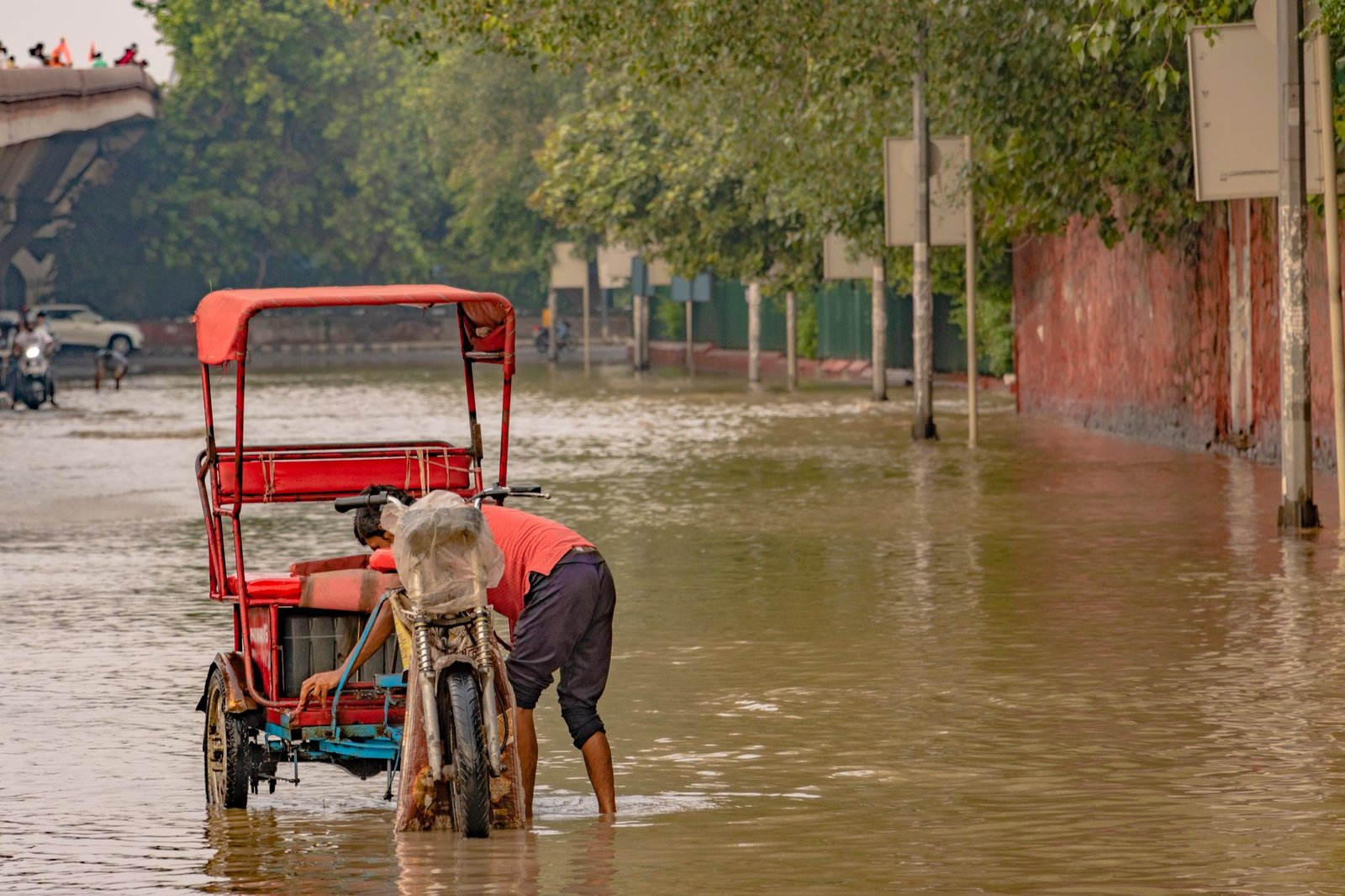
On July 28 and July 29, 2026, a stalled weather system delivered more than five inches of rain to parts of New York’s Capital District in under six hours. This concentrated downpour has triggered widespread flash flooding across Albany, Rensselaer, Schenectady, and Saratoga counties. Local emergency services have been working around the clock to perform water rescues and secure infrastructure as the Hudson and Mohawk Rivers reach critical levels.
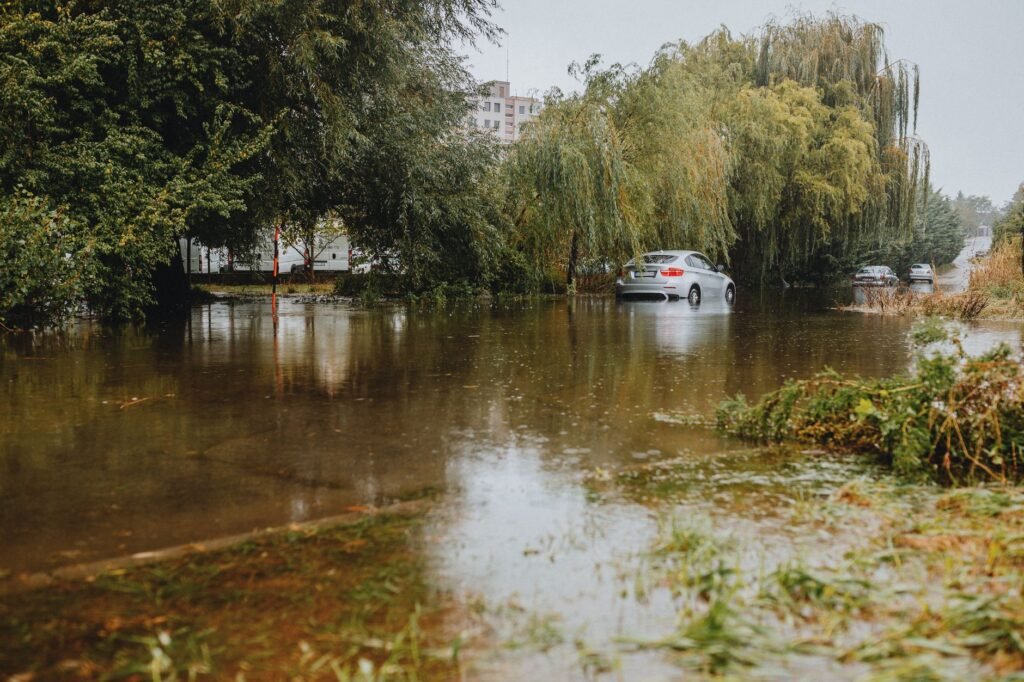
For residents in the affected areas, the immediate focus is shifting from survival to stabilization. Understanding the current status of transit corridors and the necessary steps for property recovery is essential to minimizing long-term damage. This guide outlines the essential resources and safety protocols required to navigate the aftermath of the Capital District floods 2026.
Current Road Closures and Transit Disruptions
The flooding has caused significant damage to the region’s transportation network. Several major arteries remain impassable due to standing water or structural concerns regarding bridge integrity. Drivers are urged to follow the golden rule of flood safety: Turn around, don’t drown.
- I-87 (The Northway): Partial closures remain in effect near Exit 6 as drainage systems struggle with the overflow.
- Route 9 and Route 7: Localized flooding near the Latham and Troy corridors has forced detours.
- Schenectady County: Several low-lying roads near the Mohawk River are currently restricted to emergency vehicles only.
- Public Transit: CDTA has announced modified routes for several lines; commuters should check the CDTA Navigator app for real-time updates.
Before heading out, it is critical to consult the 511NY official transit portal for the latest updates on bridge closures and detour routes. Structural engineers are currently inspecting overpasses in the Saratoga region to ensure they are safe for heavy vehicle traffic.
Understanding Flood Alerts and Safety Levels
During a volatile weather event like the Capital District floods 2026, the terminology used by the National Weather Service (NWS) is specific and intended to trigger different levels of response. Knowing the difference can save lives and property.
| Alert Level | Meaning | Required Action |
|---|---|---|
| Flood Watch | Conditions are favorable for flooding to occur. | Prepare your emergency kit and monitor local news. |
| Flash Flood Warning | Flooding is occurring or imminent in the specified area. | Move to higher ground immediately. |
| Flash Flood Emergency | A violent, life-threatening flood is occurring. | Highest alert level; follow all evacuation orders. |
Immediate Steps for Homeowners Post-Flood
Once local authorities declare it safe to return to your property, your priority should be safety and documentation. Never enter a flooded basement unless you are absolutely certain the electricity has been disconnected. Water and electricity are a lethal combination, and structural damage may not be immediately visible.
1. Electrical and Gas Safety
Before touching any electrical equipment, ensure the main breaker is off. If you smell gas or hear a hissing sound, leave the premises immediately and contact National Grid. Do not light matches or use lighters until the gas supply is verified as secure by a professional.
2. Documenting the Damage
For insurance purposes, documentation is your most valuable asset. Take high-resolution photos and videos of all affected areas, including water lines on walls and damage to appliances. Do not discard any items until your insurance adjuster has had the opportunity to view them or you have documented them thoroughly. This is a critical component of the recovery process during the Capital District floods 2026.
3. Water Mitigation
If it is safe to do so, begin removing standing water using pumps or wet-dry vacuums. However, be cautious when pumping out basements. If you remove water too quickly while the ground outside is still saturated, the external pressure can cause basement walls to collapse. Aim to lower the water level by about one third per day.
Filing Insurance Claims and FEMA Assistance
Navigating the financial recovery of a flood event can be overwhelming. Because standard homeowners insurance typically does not cover flood damage, most residents will need to work through the National Flood Insurance Program (NFIP) or seek federal disaster assistance if a formal declaration is made.
Contact your insurance agent immediately to start the claims process. Be prepared to provide your policy number and the documentation you gathered during your initial assessment. If the governor requests a federal disaster declaration, residents may become eligible for FEMA’s Individual Assistance program. For more information on disaster aid, visit DisasterAssistance.gov.
In addition to federal aid, local resources like the New York State Division of Homeland Security and Emergency Services (DHSES) provide guidance on temporary housing and debris removal. Keeping a log of all communications with insurance companies and government agencies is highly recommended.
Health and Environmental Hazards
Floodwaters are rarely clean. In urban areas like Albany and Troy, floodwater often contains sewage, chemicals from road runoff, and industrial waste. Protecting your health during the cleanup of the Capital District floods 2026 is as important as protecting your home.
- Wear Protective Gear: Use rubber boots, gloves, and N95 masks when handling flood-damaged materials to avoid contact with contaminants and mold spores.
- Mold Prevention: Mold can begin growing within 24 to 48 hours. Remove wet drywall and insulation at least 12 inches above the highest water line. Use fans and dehumidifiers to dry out the structure once power is safely restored.
- Well Water Safety: If you rely on a private well and your wellhead was submerged, do not drink the water until it has been tested and disinfected. Local health departments in the Capital District usually offer testing kits during these events.
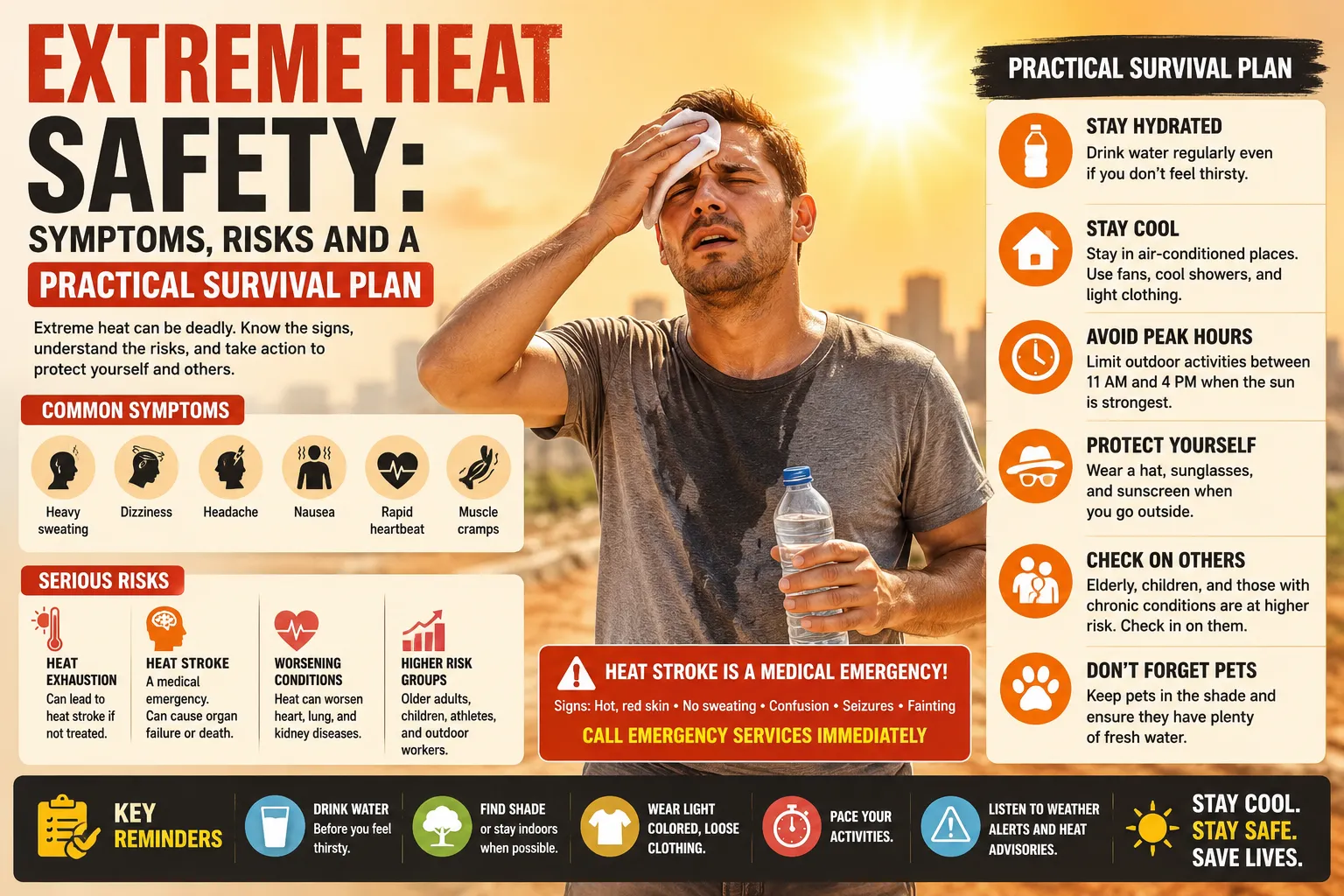
For more general safety tips during environmental crises, you can review our extreme heat safety guide, as the high humidity following these storms can lead to secondary health risks like heat exhaustion.
Long-Term Structural Recovery and Repairs
The impact of the Capital District floods 2026 may be felt for months as homeowners repair structural damage. It is vital to hire reputable, licensed contractors for these repairs. After major disasters, “storm chasers” or fraudulent contractors often enter the area. Always ask for proof of insurance and a written contract before any work begins.
When rebuilding, consider “flood-proofing” measures to mitigate future risks. This includes elevating electrical outlets, installing sump pumps with battery backups, and using flood-resistant building materials in basements. New York State has increasingly emphasized resilient infrastructure in its recent climate initiatives, and there may be grants available for homeowners who choose to upgrade their home’s flood resilience.
If you are also dealing with other environmental factors, such as air quality issues that often accompany summer storm cycles, refer to our guide on air quality safety to ensure your indoor environment remains healthy during the renovation process.
Community Support and Resources
The Capital District is known for its resilience and community spirit. Local shelters have been established at several high schools and community centers for those displaced by the rising waters. Organizations such as the American Red Cross and local food banks are actively seeking volunteers and donations to assist affected families.
Stay tuned to local news outlets and the NWS Albany bureau for the most accurate and up-to-date weather forecasts. While the heaviest rain has passed, the ground remains saturated, and even minor subsequent showers could trigger additional runoff and localized flooding.
Recovery Checklist for Capital District Residents
- Check on elderly neighbors and those with limited mobility.
- Boil water if a boil-water advisory has been issued for your municipality.
- Report power outages only to your utility provider (National Grid or NYSEG).
- Keep pets away from floodwater and contaminated soil.
- Register for NY-Alert to receive emergency notifications directly to your phone.
The road to recovery after the Capital District floods 2026 will take time and patience. By following established safety protocols and utilizing the resources available through state and federal agencies, residents can effectively navigate the challenges of this record-breaking weather event and rebuild their communities.
Frequently Asked Questions
Which areas of the Capital District are currently most affected by flooding?
As of July 29, 2026, the most significant flooding is concentrated in low-lying areas of Albany, Troy, and Schenectady, specifically near the Hudson and Mohawk River banks and the Latham corridor.
How do I check if a specific road is closed in the Albany area?
Residents should use the 511NY website or mobile app for real-time updates on road closures, bridge inspections, and detour routes throughout the Capital District.
Will FEMA provide assistance for the 2026 floods?
FEMA assistance depends on a formal disaster declaration by the President. Homeowners should first file claims with their private insurance or NFIP, and monitor local news for announcements regarding federal aid eligibility.
Is the tap water safe to drink after the flood?
Unless your municipality has issued a boil-water advisory, city water is generally safe. However, if you have a private well that was submerged by floodwaters, you must test and disinfect it before consumption.