

For decades, the fitness world was divided into two camps: those who lifted heavy and those who ran long distances. The prevailing wisdom suggested that you could not do both effectively, as the biological signals for muscle growth would ostensibly ‘cancel out’ the signals for endurance. However, in 2026, the Hybrid Athlete Training Plan has officially become the gold standard for anyone seeking a resilient, functional, and long-lasting physique.
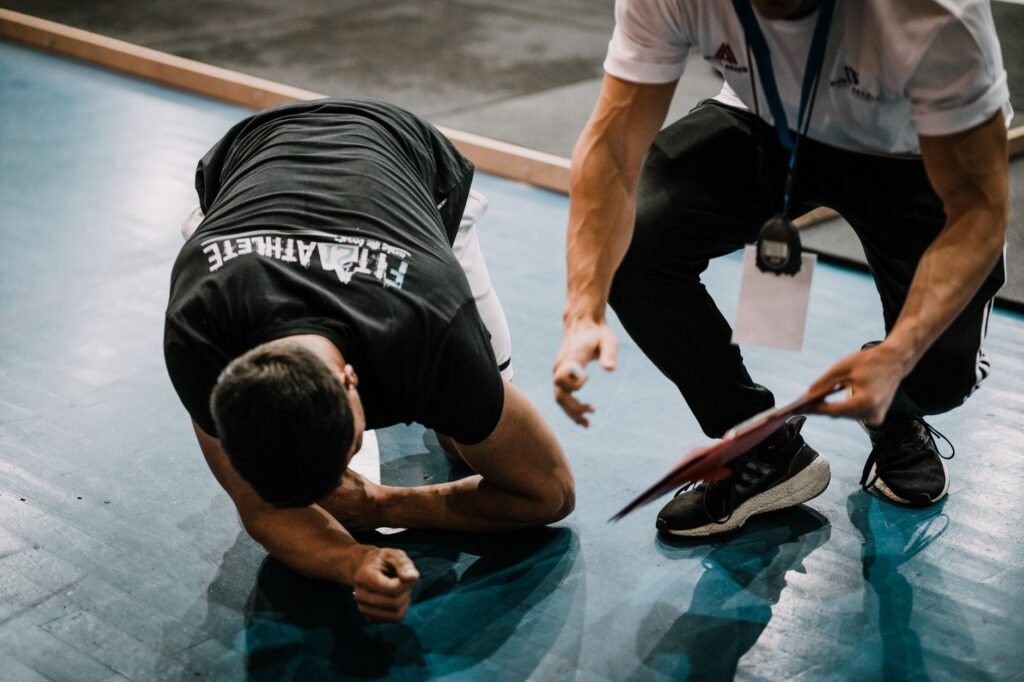
Modern sports science has debunked the ‘interference effect’ for the vast majority of people. We now understand that a well-structured plan allows you to squat 300 pounds and run a sub-25-minute 5K without compromising either goal. This guide outlines the exact framework you need to master hybrid training this year, focusing on physiological efficiency and sustainable recovery.
The Science of Concurrent Training in 2026
To understand the hybrid athlete training plan 2026 model, we must look at concurrent training. This is the practice of performing resistance exercise and aerobic exercise within the same training block. Recent studies published in the Journal of Strength and Conditioning Research have shown that the interference effect—the idea that cardio blunts hypertrophy—only occurs under conditions of extreme volume or poor nutritional management.
The key to success lies in molecular signaling. Resistance training primarily activates the mTOR pathway, which triggers muscle protein synthesis. Long-duration cardio activates the AMPK pathway, which improves mitochondrial density and aerobic capacity. While these pathways can technically compete, modern 2026 protocols separate high-intensity sessions by at least 6 to 24 hours to allow the body to process both signals effectively. This is why many athletes are focusing on VO2 max training for longevity as a core component of their hybrid routine.
The Three Pillars of a Hybrid Athlete Plan
A successful hybrid athlete training plan 2026 requires more than just adding a few runs to your lifting schedule. It requires a strategic balance of three core pillars: Structural Strength, Aerobic Base, and Metabolic Flexibility.
1. Structural Strength (The Power Floor)
Hybrid athletes do not just ‘tone’ their muscles; they build a high floor of absolute strength. This protects the joints during long-distance endurance work and ensures that the metabolism remains high. You should prioritize compound movements—squats, deadlifts, presses, and pulls—at least three days per week. In 2026, the trend has shifted toward ‘low-volume, high-intensity’ lifting to save the central nervous system for aerobic demands.
2. Aerobic Base (Zone 2 Cardio)
The secret weapon of the 2026 hybrid athlete is Zone 2 training. This is low-intensity steady-state (LISS) cardio where you can still maintain a conversation. This type of training builds mitochondrial efficiency without inducing the massive fatigue associated with HIIT (High-Intensity Interval Training). Building a massive aerobic base allows you to recover faster between sets of heavy lifting and improves overall heart health.
3. Metabolic Flexibility
Being a hybrid athlete means your body can switch efficiently between burning carbohydrates for high-intensity lifting and burning fat for long-duration running. This is achieved through varied training intensities and a nutrition plan that supports both glycogen replenishment and fat oxidation.
The 2026 Hybrid Split: A Sample 5-Day Schedule
The following table illustrates a typical weekly layout for an intermediate hybrid athlete. This schedule prioritizes recovery by separating the most taxing leg sessions from the longest runs.
| Day | Morning Session (Endurance) | Evening Session (Strength) | Primary Goal |
|---|---|---|---|
| Monday | None (Rest/Mobility) | Lower Body Power (Squat/Deadlift) | Maximum Force Production |
| Tuesday | 45 Min Zone 2 Run | Upper Body Push (Bench/Overhead) | Aerobic Base + Hypertrophy |
| Wednesday | None (Active Recovery) | None (Rest) | Systemic Recovery |
| Thursday | 30 Min Zone 2 Swim or Bike | Upper Body Pull (Rows/Pull-ups) | Low-Impact Aerobic + Strength |
| Friday | None | Full Body / Functional Strength | Metabolic Conditioning |
| Saturday | Long Duration Run (75-90 Min) | None | Endurance Capacity |
| Sunday | Rest | Rest | Full Recovery |
Optimizing Nutrition for the Hybrid Athlete
Fueling a hybrid athlete training plan 2026 is significantly different from fueling a pure bodybuilder or a pure runner. You need enough protein to repair muscle tissue (approximately 0.8g to 1g per pound of body weight) and enough carbohydrates to fuel the massive energy expenditure of endurance sessions.
One of the biggest mistakes hybrid athletes make is under-eating. When you combine heavy lifting with running, your TDEE (Total Daily Energy Expenditure) can easily exceed 3,500 to 4,000 calories for an active male. In 2026, many athletes are using ‘intra-workout’ carbohydrate drinks during their long runs to prevent muscle catabolism and maintain performance. It is also beneficial to check out the latest Smart Home Gym Trends 2026 to see how integrated nutrition tracking and smart scales are helping athletes hit these precise macros.
The Role of Micronutrients
Endurance training increases the loss of electrolytes through sweat, while lifting increases the demand for minerals like magnesium and zinc for muscle contraction and hormone production. A 2026 hybrid plan should include a diverse range of whole foods, focusing on anti-inflammatory fats (Omega-3s) and antioxidant-rich vegetables to combat the oxidative stress of high-volume training.
Recovery and Injury Prevention Strategies
The most common failure point in a hybrid athlete training plan 2026 is overtraining. Because you are essentially training for two sports, your recovery must be professional-grade. According to the CDC’s updated physical activity guidelines, muscle-strengthening and aerobic activities are both essential, but they must be balanced to prevent overuse injuries.
- Sleep: Aim for 8-9 hours of sleep. This is when the mTOR pathway does its heavy lifting for muscle repair.
- HRV Monitoring: Use a wearable device to track Heart Rate Variability. If your HRV is low, pivot your ‘Hard Run’ to a ‘Zone 2 Walk.’
- Footwear: Ensure you have separate shoes for lifting (flat, stable soles) and running (cushioned, gait-specific trainers).
- Mobility: Dedicate at least 15 minutes a day to hip and ankle mobility to handle the impact of running and the depth required for squats.
Common Pitfalls to Avoid in 2026
As you embark on this journey, be wary of ‘junk volume.’ This refers to training sessions that are too hard to be recovery, but too easy to create a meaningful adaptation. In a hybrid athlete training plan 2026, every mile and every rep must have a specific purpose. If a session is labeled Zone 2, keep your heart rate down. If a session is for power, keep the reps low and the weight high.
Another pitfall is social comparison. In the age of social media, it is easy to see elite hybrid athletes who look like bodybuilders and run marathons. Remember that these individuals often have years of a ‘base’ built in one discipline before adding the other. Focus on your own progressive overload and incremental endurance gains.
The Importance of Periodization
You cannot progress in both strength and endurance simultaneously forever. The 2026 methodology suggests using 4-to-8-week blocks. You might spend 8 weeks in a ‘Strength Bias’ where you lift four times a week and run only twice, followed by an 8-week ‘Endurance Bias’ where you flip those priorities. This prevents plateaus and keeps the training fresh.
Conclusion: Why 2026 is the Year of the Hybrid
The hybrid athlete training plan 2026 represents a shift toward true human potential. By ignoring the old myths of the ‘interference effect’ and embracing a data-driven approach to recovery and nutrition, you can build a body that is as capable as it is aesthetic. Whether your goal is to compete in a functional fitness race like Hyrox or simply to be the most capable version of yourself for the next decade, the hybrid model is the path forward.
Start small, prioritize your Zone 2 base, and never stop lifting heavy. The fusion of these two worlds is where elite health is found. For more information on maintaining your physical peak, consult authoritative resources such as Harvard Health’s exercise guides or the Mayo Clinic’s fitness fundamentals.
Frequently Asked Questions
Will running really kill my muscle gains?
No. In 2026, research shows that as long as you maintain a caloric surplus and separate high-intensity running from heavy lifting by at least 6 hours, the ‘interference effect’ is negligible for most people.
How many days a week should a hybrid athlete train?
A standard 2026 hybrid split usually involves 4 to 5 training days. This typically includes 3 strength sessions and 2 to 3 endurance sessions, with at least one full day of rest.
What is Zone 2 cardio and why is it important?
Zone 2 is low-intensity training where your heart rate is 60-70% of its maximum. It builds mitochondrial efficiency and aerobic capacity without causing the significant fatigue that interferes with heavy lifting.
Should I run or lift first in a hybrid plan?
It depends on your primary goal for that block. If you want to maximize strength, lift first. If you are training for a specific race time, run first. Most hybrid athletes separate the two by several hours.