
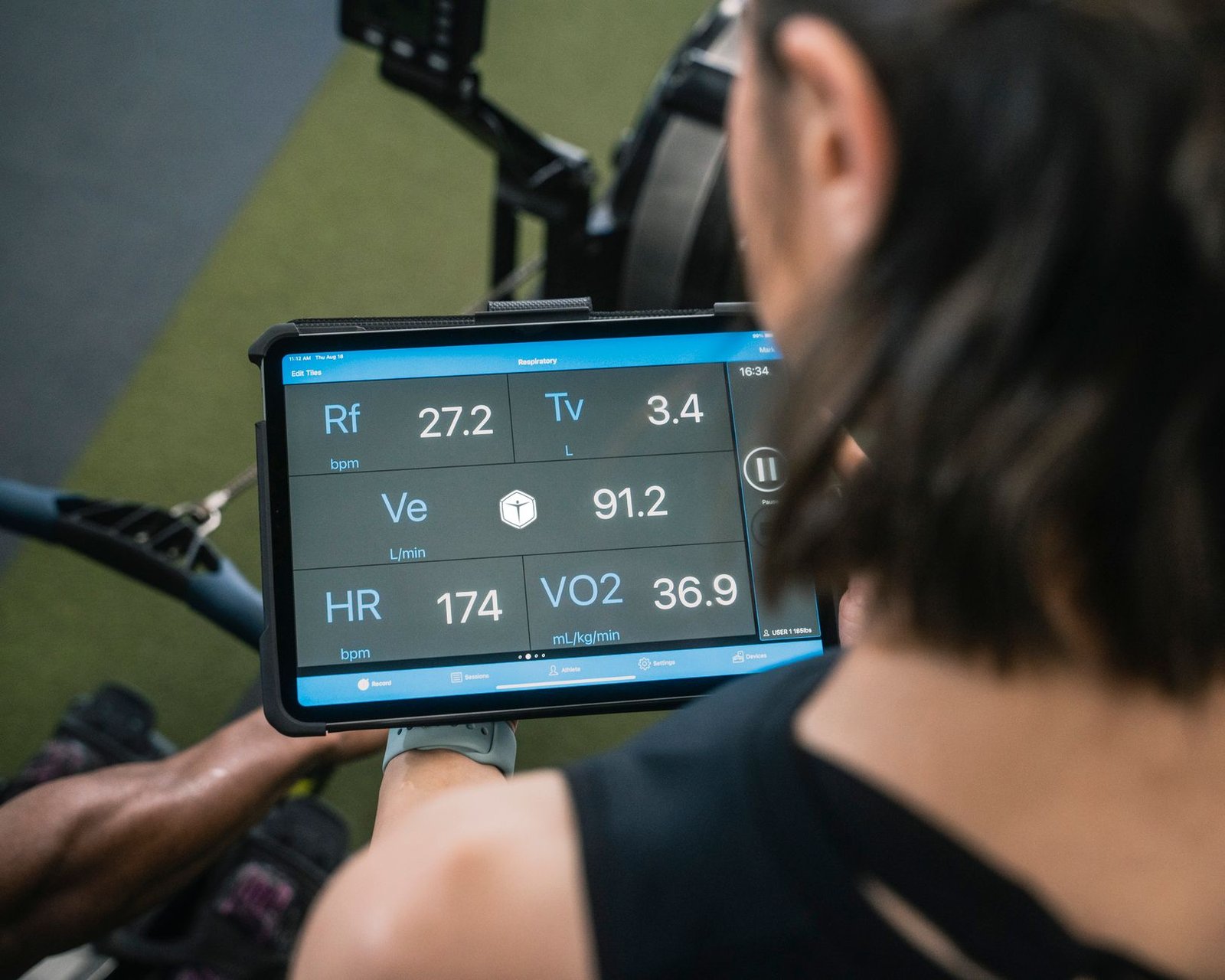
In the evolving world of health and fitness, few metrics have gained as much traction recently as VO2 max. Once reserved for elite marathoners and Olympic cyclists, cardiorespiratory fitness is now being hailed by longevity experts as the single most important predictor of how long you will live and how well you will age. While many focus on strength or flexibility, the ability of your heart, lungs, and muscles to utilize oxygen—your VO2 max—sets the ceiling for your physical independence in later decades.

Understanding VO2 max training for longevity is no longer just for athletes; it is a fundamental pillar of preventative medicine. Recent longitudinal studies suggest that moving from the bottom 25% of fitness to the top 25% can reduce the risk of all-cause mortality by as much as five-fold. This guide breaks down the science of VO2 max, how to measure it, and the specific training protocols you can implement today to add years to your life.
What is VO2 Max and Why Does It Predict Your Lifespan?
VO2 max is a measurement of the maximum amount of oxygen your body can use during intense exercise. It is expressed in milliliters of oxygen used in one minute per kilogram of body weight (ml/kg/min). Essentially, it represents the efficiency of your internal combustion engine. The higher the number, the more “horsepower” your body has to perform work and recover from stress.
According to the Cleveland Clinic, VO2 max is a direct reflection of your cardiorespiratory fitness (CRF). High CRF is associated with a lower risk of developing cardiovascular disease, type 2 diabetes, and certain cancers. Beyond disease prevention, a high VO2 max ensures that the everyday tasks of aging—climbing stairs, carrying groceries, or playing with grandchildren—remain well below your physical threshold, preventing the frailty that often leads to injury.
The Science of Cardiorespiratory Fitness (CRF)
Research published in the Journal of the American College of Cardiology indicates that VO2 max is a better predictor of mortality than smoking status, hypertension, or high cholesterol. This is because a high VO2 max requires every system in the body to work in harmony: the lungs must intake oxygen, the heart must pump it, and the mitochondria in the muscles must utilize it to create energy. If any of these systems are failing, your VO2 max will reflect that decline.
How to Measure Your VO2 Max in 2025
Before beginning a VO2 max training for longevity program, you need a baseline. In the past, this required an expensive laboratory test involving a metabolic cart and a treadmill. Today, consumers have several options ranging from free field tests to high-tech wearables.
Lab Testing vs. Wearable Estimates
The gold standard remains the cardiopulmonary exercise test (CPET). During this test, you wear a mask that measures your actual gas exchange while exercising to exhaustion. However, most people now rely on estimates from devices like the Apple Watch, Garmin, or Oura Ring. These devices use heart rate data and walking/running speed to estimate your score. While they can be off by 5–10%, they are excellent for tracking trends over time.
The Cooper Test and Step Tests
If you don’t have a wearable, you can perform the Cooper 12-Minute Run Test. Simply run as far as you can in 12 minutes on a flat surface and use a calculator to determine your VO2 max based on the distance covered. Another option is the Rockport Mile Walk Test, which uses your heart rate after a brisk one-mile walk to estimate fitness levels. These field tests provide a practical starting point for anyone looking to improve their longevity lifestyle through targeted exercise.
The Two Pillars of VO2 Max Training: Zone 2 and Zone 5
To effectively raise your VO2 max, experts recommend a polarized training approach. This involves spending the majority of your time at a low intensity (Zone 2) and a small, targeted amount of time at a very high intensity (Zone 5). This balance builds both the “floor” and the “ceiling” of your fitness.
Building the Aerobic Base with Zone 2 Training
Zone 2 training is low-intensity cardio where you can still maintain a conversation but are working enough to feel a slight challenge. According to Mayo Clinic guidelines on exercise intensity, this zone typically falls between 60% and 70% of your maximum heart rate.
Zone 2 is critical for longevity because it promotes mitochondrial health and metabolic flexibility. It trains your body to burn fat efficiently and builds the capillary density needed to deliver oxygen to your muscles. Most longevity protocols suggest 150 to 180 minutes of Zone 2 per week.
Pushing the Ceiling with Norwegian 4×4 Intervals
While Zone 2 builds the engine’s durability, high-intensity intervals (HIIT) increase its peak power. The most studied protocol for increasing VO2 max is the “Norwegian 4×4.” This involves:
- 4 minutes of high-intensity work (reaching 85–95% of max heart rate).
- 3 minutes of active recovery (slow walking or light pedaling).
- Repeating this cycle 4 times.
Studies have shown that this specific protocol is superior to traditional steady-state cardio for improving stroke volume—the amount of blood your heart pumps with every beat. Just one or two of these sessions per week can significantly move the needle on your VO2 max score.
Comparing Intensity Zones for Longevity
To help you structure your week, use this comparison table to understand the different demands and benefits of each training zone.
| Feature | Zone 2 (Aerobic Base) | Zone 5 (VO2 Max/Peak) |
|---|---|---|
| Intensity | Low (Conversational) | Very High (Max Effort) |
| Heart Rate | 60–70% of Max | 90–100% of Max |
| Primary Benefit | Mitochondrial Efficiency | Increased Stroke Volume |
| Weekly Volume | 150–180 Minutes | 15–30 Minutes |
| Recovery Time | Minimal (24 hours) | High (48–72 hours) |
| Longevity Role | Metabolic Health | Peak Physical Capacity |
A 12-Week Sample VO2 Max Training Plan
Success in VO2 max training for longevity requires consistency. Below is a beginner-to-intermediate framework designed to safely increase intensity over 12 weeks.
- Weeks 1-4: The Foundation. Focus exclusively on Zone 2 training. Aim for three 45-minute sessions of walking, cycling, or swimming per week. Ensure you stay at a conversational pace.
- Weeks 5-8: Introducing Intensity. Maintain your Zone 2 sessions but add one HIIT session per week. Start with 1-minute intervals followed by 1-minute rests, repeating 10 times.
- Weeks 9-12: The Peak Phase. Transition the HIIT session to the Norwegian 4×4 protocol. Continue with three Zone 2 sessions. This is where most individuals see significant jumps in their VO2 max estimates.
Common Pitfalls and Safety Considerations
While pushing your limits is necessary to see improvements, it must be done with caution. Cardiorespiratory fitness is a long game, and injury is the quickest way to halt progress. Always consult with a healthcare provider before beginning a high-intensity program, especially if you have a history of heart issues or are over the age of 50.
Overtraining and Heart Health
More is not always better. Doing too much Zone 5 training can lead to chronic fatigue, sleep disturbances, and an increased risk of atrial fibrillation in some individuals. The 80/20 rule—80% low intensity and 20% high intensity—is widely considered the safest and most effective ratio for long-term health.
Safety in Extreme Conditions
When training outdoors, environmental factors play a massive role in heart rate and exertion levels. On particularly hot days, your heart must work harder to cool the body, which can artificially inflate your heart rate and put extra strain on the cardiovascular system. For tips on managing these risks, see our guide on extreme heat safety.
Nutrition and Supplementation for Peak VO2 Max
What you put into your body fuels your capacity for high-intensity work. Improving VO2 max isn’t just about the workout; it’s about recovery and metabolic support. The CDC emphasizes that physical activity and nutrition work synergistically to maintain health.
- Iron: Essential for hemoglobin, which carries oxygen in the blood. Low iron levels will immediately tank your VO2 max.
- Nitrates: Found in beets and leafy greens, nitrates can improve mitochondrial efficiency and blood flow.
- Carbohydrates: While Zone 2 can be done in a fasted state, Zone 5 intervals require glucose. Don’t fear carbs before a high-intensity session; they are necessary to hit the required heart rate zones.
- Omega-3s: These fatty acids help reduce systemic inflammation and can improve heart rate variability (HRV), a key indicator of recovery.
Conclusion: The Best Time to Start is Now
Your VO2 max is a “use it or lose it” metric. Naturally, our aerobic capacity declines by about 10% per decade after age 30. However, research proves that targeted training can blunt this decline and even reverse it. By committing to VO2 max training for longevity, you are quite literally building a younger version of yourself from the inside out.
Start with a simple walking program, track your progress via a wearable or field test, and slowly introduce the intensity needed to challenge your heart. The goal isn’t to become a professional athlete; it’s to ensure that your 80-year-old self has the physical freedom and cardiovascular resilience of a much younger person. Longevity is a marathon, not a sprint—but the faster you can run that marathon, the longer you’re likely to be in the race.
Watch: A Helpful Video Guide
https://www.youtube.com/watch?v=Jp_yT9I_kG0
Frequently Asked Questions
What is a good VO2 max for a 50-year-old?
For a 50-year-old male, a VO2 max between 35-39 is considered average, while 44+ is excellent. For a 50-year-old female, 29-32 is average, and 37+ is excellent. Higher scores are strongly correlated with lower mortality risk.
How often should I do HIIT for VO2 max?
Most experts recommend doing high-intensity interval training (Zone 5) once or twice per week. The rest of your cardiovascular training should be low-intensity (Zone 2) to allow for recovery and build an aerobic base.
Can I improve my VO2 max by just walking?
Brisk walking improves your aerobic base (Zone 2), which is essential. However, to significantly raise your VO2 max ‘ceiling,’ you eventually need to incorporate short bouts of higher-intensity exercise that push your heart rate above 85% of its maximum.
How long does it take to see improvements in VO2 max?
With consistent training, especially using protocols like the Norwegian 4×4, you can see measurable improvements in your VO2 max in as little as 4 to 8 weeks.


