

The 2026 Tax Landscape and the Push for Relocation
As we navigate the middle of 2026, the American financial landscape has shifted dramatically. The expiration of several key provisions from the 2017 Tax Cuts and Jobs Act at the end of last year has resulted in higher federal income tax brackets for many individuals. This ‘tax cliff’ has made the prospect of Moving to a No-Income-Tax State 2026 more than just a lifestyle choice; for many, it has become a vital strategy for wealth preservation.
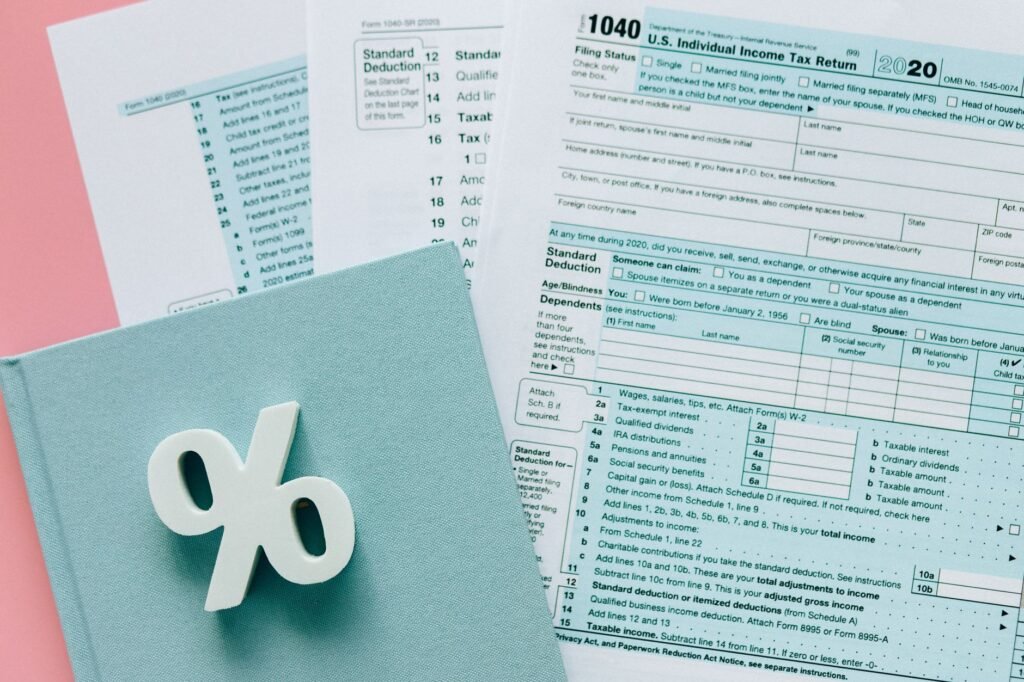
While the allure of keeping more of your paycheck is strong, relocating for tax purposes in 2026 requires a sophisticated understanding of how states replace that lost revenue. From higher property taxes to increased sales tax rates, the true cost of ‘tax-free’ living varies significantly from the Sunbelt to the Pacific Northwest. This guide breaks down the nine states currently offering no state income tax and what you need to know before you pack your bags.
The Nine No-Income-Tax States in 2026
As of July 2026, nine U.S. states do not levy a personal income tax on earned wages. Each of these states has a unique economic profile and varying costs for other essential services.
1. Florida: The Top Destination for Retirees and Remote Workers
Florida remains the heavyweight champion of tax-motivated relocation. With no state income tax, no inheritance tax, and no estate tax, it offers a trifecta of benefits for high-net-worth individuals. However, in 2026, new residents are finding that home insurance premiums have become a significant ‘shadow tax’ due to increased climate risks. If you are planning a move here, it is essential to freeze your credit during the transition to protect your financial identity while setting up new utilities and insurance policies.
2. Texas: High Property Taxes vs. Zero Income Tax
Texas continues to draw corporate headquarters and tech workers alike. While you won’t see a state deduction on your paycheck, Texas relies heavily on property taxes to fund its infrastructure. In many fast-growing areas like Austin and Dallas, property tax rates can exceed 2%, which may offset the income tax savings for homeowners with high-value properties.
3. Nevada: More Than Just the Las Vegas Strip
Nevada’s revenue is largely bolstered by the gaming and tourism industries. For residents, this means no state income tax and relatively moderate property taxes. The state has become a primary haven for former California residents who want to stay in the West while escaping some of the highest tax burdens in the country.
4. Washington: The Nuanced ‘Tax-Free’ State
Washington state does not have a personal income tax, but it is important to note that it does have a 7% tax on long-term capital gains for amounts exceeding $250,000 (adjusted for inflation in 2026). For retirees living off investment portfolios, this distinction is critical for 2026 financial planning.
5. Tennessee: The Music City Appeal
Tennessee fully phased out its tax on interest and dividends several years ago, making it a completely income-tax-free state. It offers a relatively low cost of living, though it balances its budget with one of the highest combined state and local sales tax rates in the nation, often exceeding 9%.
6. Wyoming: The Lowest Overall Tax Burden
Wyoming frequently ranks as the most tax-friendly state in the U.S. Not only is there no income tax, but the state also boasts low property and sales taxes. The trade-off is a lower level of public services and a more rugged, rural lifestyle that may not suit everyone.
7. South Dakota: A Business-Friendly Haven
Similar to Wyoming, South Dakota has a very low tax burden across the board. It is a popular ‘home base’ for full-time RVers and digital nomads due to its lenient residency requirements and absence of both personal and corporate income taxes.
8. Alaska: The Permanent Fund State
Alaska is the only state that not only lacks an income tax but actually pays its residents. The Permanent Fund Dividend (PFD) provides an annual check to eligible residents. However, the high cost of goods due to the state’s remote location can make day-to-day living expensive.
9. New Hampshire: The Live Free or Die State
New Hampshire has no tax on earned income. As of 2026, it has also completed the phase-out of its tax on interest and dividends. It does, however, have some of the highest property tax rates in the country, as it relies almost entirely on local property taxes to fund schools and services.
2026 Comparison Table: Tax-Free State Metrics
| State | Avg. Sales Tax (Combined) | Property Tax Rank | Median Home Price (2026 Est.) |
|---|---|---|---|
| Florida | 7.02% | Middle | $425,000 |
| Texas | 8.20% | High | $360,000 |
| Nevada | 8.23% | Low | $450,000 |
| Washington | 9.40% | Middle | $610,000 |
| Tennessee | 9.55% | Low | $320,000 |
| Wyoming | 5.44% | Very Low | $340,000 |
| New Hampshire | 0.00% | Very High | $470,000 |
The “Shadow Taxes”: Hidden Costs of Tax-Free States
When Moving to a No-Income-Tax State 2026, it is vital to look at the total tax burden rather than just the income tax line. States must fund their budgets somehow, and they typically use three primary levers: sales tax, property tax, and excise taxes (on things like gasoline and tobacco).
- Sales Tax: Tennessee and Washington have some of the highest sales taxes in the country. This can significantly impact your cost of living if you are a high consumer of taxable goods.
- Property Tax: Texas and New Hampshire are notorious for high property taxes. If you own a $1 million home in some parts of Texas, your property tax bill could easily exceed $20,000 annually.
- Insurance Costs: In 2026, insurance is often referred to as a ‘hidden tax.’ Florida and Texas have seen massive increases in homeowners’ insurance rates due to severe weather events.
- User Fees: Some states charge higher fees for car registration, tolls, and professional licenses to make up for the lack of income tax revenue.
Remote Work and the “Convenience of the Employer” Rule
For those moving while keeping their current jobs, 2026 brings stricter scrutiny from high-tax states like New York, California, and Massachusetts. These states often apply the ‘Convenience of the Employer’ rule. This means if your company is based in New York, but you choose to work remotely from Florida for your own convenience, New York may still claim a right to tax your income.
Before you relocate, consult with a tax professional to ensure you won’t be double-taxed. If you plan to rent out your former residence in a high-tax state while living in your new tax-free home, be sure to review the 2026 short-term rental tax rules to avoid unexpected liabilities.
The Residency Audit: Proving You Actually Moved
High-tax states are becoming increasingly aggressive in 2026, using data from cell phone towers, credit card swipes, and social media check-ins to prove that a taxpayer hasn’t actually left. To survive a residency audit, you must establish a ‘domicile’ in your new state. This involves more than just spending 183 days there. You should:
- Register to vote in your new state immediately.
- Obtain a new driver’s license and register your vehicles.
- Change your mailing address with the IRS and your bank.
- Establish ‘near and dear’ ties, such as joining local gyms, clubs, or houses of worship.
- Keep a detailed log of your location throughout the year.
According to the Tax Foundation, states are using more sophisticated AI tools in 2026 to track ‘snowbirds’ who claim residency in Florida but spend significant time in the Northeast.
Is It Worth It? Calculating Your Break-Even Point
Determining if Moving to a No-Income-Tax State 2026 is financially beneficial requires a break-even analysis. A high-earning individual making $500,000 in New York City could save upwards of $50,000 in state and local taxes by moving to Miami. However, if their housing costs increase by $30,000 and their insurance premiums triple, the net savings may be smaller than expected.
As the U.S. Census Bureau reports in its latest mid-2026 updates, the trend of ‘secondary migration’ is rising—where people move to a tax-free state, realize the hidden costs are too high, and move again to a moderate-tax state with a lower cost of living.
Final Checklist for Your 2026 Relocation
- Run the Numbers: Use a 2026 tax calculator that includes federal bracket changes.
- Analyze the Housing Market: Compare property tax rates, not just home prices.
- Verify Insurance: Get a quote for homeowners’ and auto insurance in your target zip code.
- Document Everything: Start a ‘move file’ with receipts and logs to prove your residency date.
- Consult an Expert: Ensure your move won’t trigger a ‘departure tax’ if you are moving from specific jurisdictions with exit tax laws.
Moving for tax reasons in 2026 is a powerful way to combat the rising cost of living and federal tax increases. By looking beyond the headline ‘0% tax’ and understanding the full economic landscape of your destination, you can ensure that your move is a permanent win for your bank account.
Frequently Asked Questions
Which states have no income tax in 2026?
The nine states with no personal income tax in 2026 are Alaska, Florida, Nevada, New Hampshire, South Dakota, Tennessee, Texas, Washington, and Wyoming.
How do I prove residency in a new state for tax purposes?
You must establish a ‘domicile’ by spending at least 183 days in the state, registering to vote, obtaining a local driver’s license, and changing your primary mailing address with the IRS.
Does Washington state have a capital gains tax in 2026?
Yes, while Washington has no tax on earned wages, it maintains a 7% tax on long-term capital gains exceeding a specific threshold (approximately $250,000) for 2026.