The Dawn of Transparency: What Changed on August 1, 2026?
For nearly a century, alcoholic beverages in the United States occupied a unique regulatory blind spot. Unlike a box of cereal or a bottle of soda, your favorite craft beer or bottle of Chardonnay was not required to tell you how many calories it contained or what ingredients were used. That changed on August 1, 2026. The Alcohol and Tobacco Tax and Trade Bureau (TTB) has officially implemented the New 2026 Alcohol Labeling Rules, a mandate that brings unprecedented transparency to the wine, spirits, and malt beverage industries.
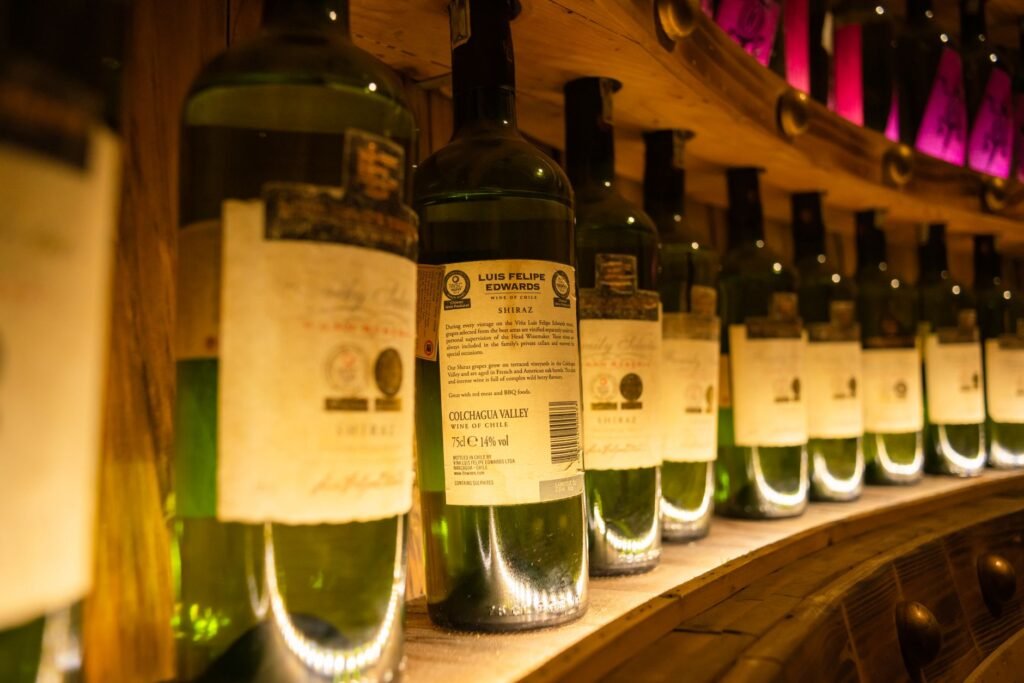
This shift is not merely cosmetic. It represents a fundamental change in how American consumers interact with alcohol. As health consciousness continues to rise, the demand for clear data on caloric intake and allergen exposure has forced federal regulators to align alcohol labeling with the standards long held by the FDA for food products. If you have noticed new, standardized grids on the back of your latest purchase, you are seeing the first wave of this historic rollout.
This guide provides a comprehensive breakdown of the new requirements, how to read the updated labels, and what these changes mean for your health and your wallet in 2026. Much like the New FDA Front-of-Package Labeling 2026 standards for groceries, these alcohol rules are designed for quick, at-a-glance comprehension.
Anatomy of the New 2026 Alcohol Nutrition Label
The core of the 2026 mandate is the standardized “Serving Facts” panel. Previously, companies could volunteer this information, but they often used inconsistent formats that made comparisons difficult. Under the new rules, every container must display a uniform panel that includes several critical data points.
Serving Size and Servings Per Container
The TTB has established rigid definitions for what constitutes a “serving.” For the first time, the serving size on the label must reflect the standard drink sizes recognized by US health authorities: 12 ounces for regular beer (5% ABV), 5 ounces for wine (12% ABV), and 1.5 ounces for 80-proof distilled spirits. This eliminates the confusion caused by oversized cans or high-alcohol craft beers that previously lacked serving clarity.
Calories and Macronutrients
The most significant addition for many consumers is the mandatory calorie count. Alcohol is calorie-dense, providing seven calories per gram—nearly as much as pure fat. The new labels must list total calories per serving, along with total carbohydrates, protein, and fat. For those tracking their intake for weight management or metabolic health, this data is transformative. It allows for an honest assessment of “liquid calories” that were previously hidden from the daily tally.
Alcohol by Volume (ABV)
While ABV has been present on many labels for years, the 2026 rules require it to be displayed in a prominent, standardized location on the Serving Facts panel. This ensures that the potency of the beverage is always viewed in direct context with its nutritional profile.
Allergen Disclosures and Dietary Needs
Beyond calories, the 2026 rules address a critical safety issue: food allergens. Until now, alcohol producers were only required to disclose sulfites and a few specific dyes. The new mandate expands this to include the “Big Nine” allergens recognized by the FDA, which include wheat, milk, eggs, fish, crustacean shellfish, tree nuts, peanuts, soybeans, and sesame.
For individuals with Celiac disease or severe gluten sensitivities, the inclusion of wheat disclosures on malt beverages and spirits is a major victory. Similarly, the disclosure of fining agents (which are often derived from milk or fish proteins) provides essential information for vegans and those with specific allergies. If a product contains any of these ingredients or was processed on shared equipment that poses a cross-contamination risk, it must be clearly stated on the label.
The Digital Link: QR Codes and Data Privacy
One of the most debated aspects of the New 2026 Alcohol Labeling Rules is the allowance for digital disclosures. While the Serving Facts panel must be physically printed on the container, the TTB has allowed manufacturers to provide full ingredient lists and detailed sourcing information via a QR code. This hybrid approach was a compromise between consumer advocates, who wanted full physical labels, and the industry, which cited limited space on small bottles.
When you scan these codes, you will be directed to a standardized landing page that must be free of marketing language or sales pitches. However, consumers should be aware of their data footprints. As outlined in our guide on August 2026 New Consumer Data Privacy Rights, the TTB has prohibited companies from using these QR code scans to track individual consumer behavior or build marketing profiles. The data must be used strictly for information delivery.
Comparison: Alcohol Labeling Standards
| Feature | Pre-August 2026 Standards | New 2026 Mandatory Rules |
|---|---|---|
| Calorie Count | Voluntary / Often Absent | Mandatory on all containers |
| Serving Size | Manufacturer Discretion | Standardized (12oz/5oz/1.5oz) |
| Allergen Disclosure | Sulfites only | Big Nine Allergens (Mandatory) |
| Ingredient List | Rarely provided | Mandatory (Physical or QR Code) |
| Format | Inconsistent placement | Standardized Serving Facts panel |
Why the 2026 Rules Matter for Your Health
Public health experts, including those from the Center for Science in the Public Interest (CSPI), have hailed these changes as a necessary tool in combating the rising rates of lifestyle-related diseases. Alcohol consumption is a significant contributor to overall caloric intake in the American diet, yet it was the only major source of calories that did not require labeling.
Studies have shown that when consumers are presented with clear caloric information at the point of purchase, they tend to make more moderate choices. By providing the ABV alongside calorie counts, the 2026 rules also help consumers understand the relationship between alcohol density and energy density. For example, a heavy stout may have double the calories of a light lager, a fact that is now impossible to ignore at the store.
Additionally, the transparency regarding added sugars in flavored malt beverages and liqueurs is crucial. Many “hard seltzers” and pre-mixed cocktails marketed as “healthy” alternatives were found to contain significant amounts of added sweeteners that were previously undisclosed. The new labels strip away the marketing jargon and reveal the actual sugar content.
Implementation Timeline and Inventory Rules
While the rules took effect on August 1, 2026, you may still see some unlabelled products on store shelves for a few months. The TTB has established a “sell-through” period to prevent massive waste of existing stock. Here is how the transition works:
- Production Date: Any beverage bottled or produced on or after August 1, 2026, must carry the new labels.
- Existing Inventory: Retailers are permitted to sell through products bottled before August 1 without re-labeling them.
- Imported Goods: Imported wines and spirits must comply with the new standards if they are cleared through US Customs after the August 1 deadline.
By late 2026, the TTB expects nearly 95% of the active market to be in full compliance. Consumers should check the bottling date on the neck or bottom of the container if they are looking for the most accurate nutritional data.
Consumer Checklist for the New Labels
- Check the Serving Size: Before looking at the calories, see if the manufacturer is using a standard serving or if the container holds multiple servings (e.g., a 19.2oz “stovepipe” can).
- Scan for Allergens: If you have dietary restrictions, look for the “Contains” statement immediately below the nutrition grid.
- Look for Added Sugars: Especially in flavored beverages, check the carbohydrate section to see how much of that comes from sugar.
- Verify the ABV: Ensure the alcohol content matches your expectations for the serving size listed.
- Scan the QR Code: If you want to know the specific ingredients, such as the types of hops used or the presence of artificial colors, use your smartphone to access the digital disclosure.
Industry Impact and Price Changes
The alcohol industry has had a mixed response to the 2026 rules. Large-scale producers have generally embraced the change, as they have the infrastructure to update packaging quickly. However, smaller craft breweries and boutique wineries have expressed concerns over the costs of nutritional testing and label redesign.
Consumers may see a slight, temporary increase in prices for some craft products as these businesses recoup the costs of compliance. However, market analysts suggest that the increased competition for health-conscious shoppers will likely stabilize prices as brands compete to offer lower-calorie or “cleaner” ingredient profiles. The shift is also expected to drive innovation in the “low-ABV” and “non-alcoholic” sectors, which were already seeing significant growth prior to the 2026 mandate.
Final Thoughts on the 2026 Mandate
The New 2026 Alcohol Labeling Rules mark the end of an era of secrecy in the beverage industry. By providing Americans with the same tools they use to evaluate their food, the TTB is empowering consumers to make informed decisions about their health and habits. Whether you are counting calories, managing an allergy, or simply curious about what goes into your favorite drink, the August 1 changes provide the clarity that has been missing for decades. As we move through the remainder of 2026, these Serving Facts panels will become as familiar and essential as the nutrition labels on every other product in your pantry.
Frequently Asked Questions
Do all alcoholic drinks now require a nutrition label?
Yes, as of August 1, 2026, the TTB mandates that all wine, distilled spirits, and malt beverages produced for sale in the US must carry a standardized Serving Facts panel.
Will the new labels show all ingredients?
The labels must disclose major allergens and may provide a full ingredient list either physically on the package or via a QR code link.
How do the 2026 rules define a ‘standard drink’?
The rules use the health standard of 12 ounces of 5% ABV beer, 5 ounces of 12% ABV wine, and 1.5 ounces of 80-proof spirits.
Are older bottles required to be re-labeled?
No. There is a sell-through period allowing retailers to sell inventory bottled before August 1, 2026, without the new labels.