The World Health Organization has updated its guidance on reducing cognitive decline and dementia, saying that up to 45% of dementia risk is associated with factors that can potentially be modified. The recommendations cover physical activity, smoking, alcohol, diet, social and cognitive engagement, air pollution, hearing loss and the management of conditions including high blood pressure, diabetes and high cholesterol.
The figure needs careful interpretation. It does not mean that 45% of dementia cases can be prevented with certainty, nor that a person who follows every recommendation will avoid dementia. Age, genetics and brain disease still matter. The guidance instead identifies a substantial population-level opportunity to reduce or delay risk across the life course.
What changed in the WHO dementia guidelines?
Released July 15, 2026, the second edition updates WHO’s 2019 guidance after significant growth in the evidence base. It consolidates recommendations on health behaviours, medical conditions and environmental exposures that can contribute to cognitive decline.
One notable addition is a recommendation to reduce exposure to air pollution. The updated guidance also includes cognitive training, cognitive stimulation and social engagement for adults with normal cognition or mild cognitive impairment. Hearing aids may be offered as part of a risk-reduction strategy, while cardiometabolic conditions such as hypertension, diabetes and high cholesterol should be managed.
The update is also explicit about what evidence does not support. WHO does not recommend vitamins B or E, omega-3 polyunsaturated fatty acids, or multivitamin and mineral supplements as dementia-risk interventions when no deficiency has been diagnosed. The agency says evidence of benefit is insufficient to outweigh possible unexpected harms.
What does “up to 45% of dementia risk” mean?
WHO describes tobacco use, harmful alcohol consumption, social isolation, physical inactivity, air pollution and noncommunicable diseases among the modifiable factors that may account for up to 45% of dementia risk.
This is a statement about risk across populations, not a personal prevention score. Risk factors overlap: physical activity can affect cardiovascular health, diabetes and social participation, while poverty and geography can shape access to safe outdoor space, hearing care and clean air. Researchers cannot simply add each factor as though it operates independently.
“Modifiable” also does not mean entirely controlled by an individual. Governments influence air quality, education, access to preventive care and the design of communities. Employers and health systems affect whether people can obtain screening, treatment or support. The guidelines are therefore aimed at countries and services as well as individuals.
Why dementia prevention matters
Dementia is caused by diseases and injuries that damage the brain, affecting memory, thinking and the ability to perform daily activities. It is not an inevitable part of ageing.
WHO reports that 57 million people were living with dementia in 2021 and that nearly 10 million new cases occur each year. Alzheimer disease is estimated to account for 60% to 70% of cases. Dementia is also the seventh leading cause of death globally and a major cause of disability and dependency among older people.
The human effects extend to independence, dignity and safety. The economic burden is also large: WHO estimates a global annual cost of US$1.3 trillion, with about half attributable to unpaid care by family members and friends. Women experience a disproportionate burden and provide an estimated 70% of care hours.
Against that background, even delaying some cases could preserve years of independent living and reduce pressure on families and health systems. Risk reduction does not replace diagnosis, care or research into effective treatments; it complements them.
The actions WHO recommends
Be physically active
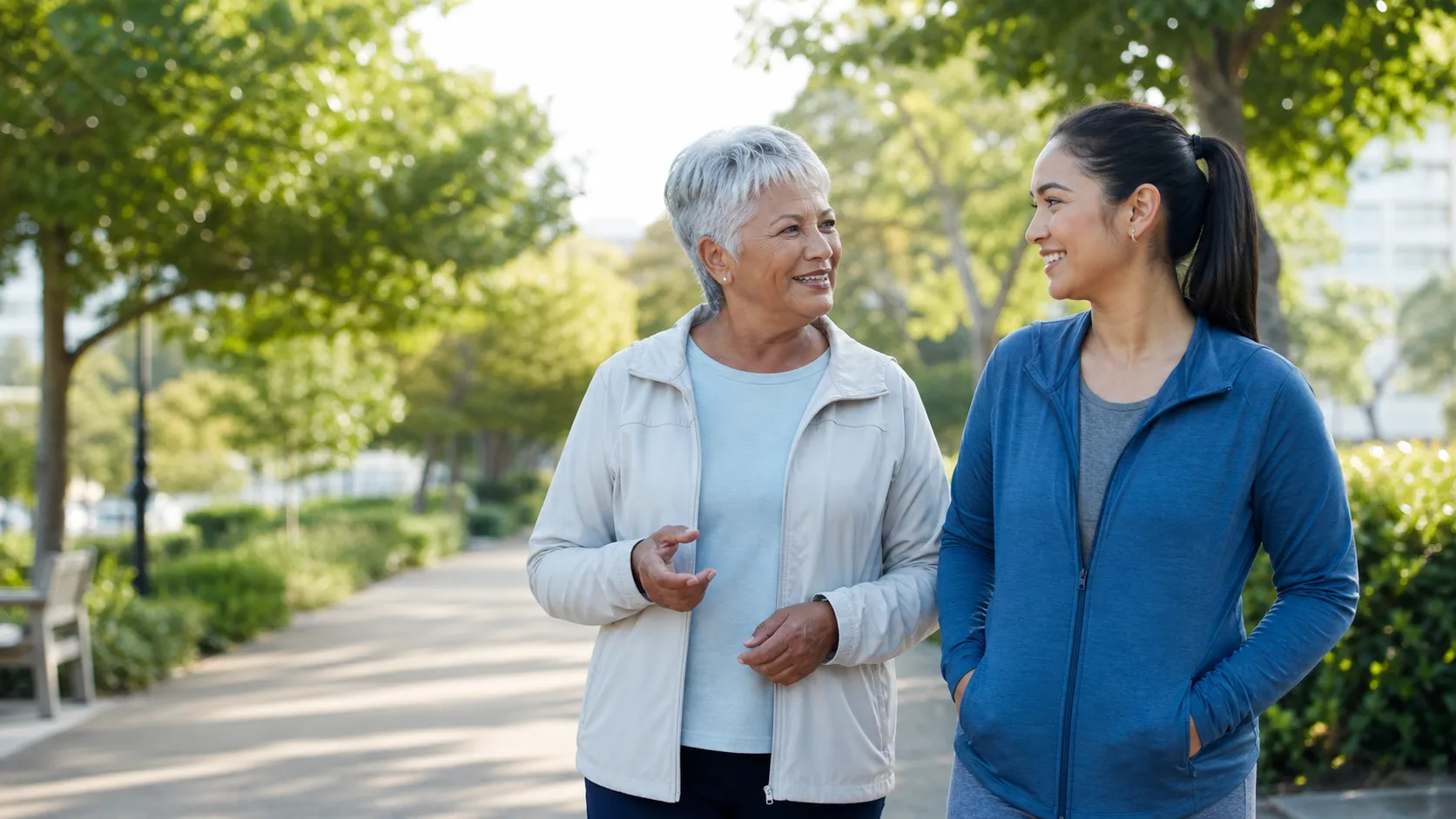
Regular movement supports cardiovascular and metabolic health, which are closely linked with brain health. The appropriate type and intensity depend on age, ability and medical conditions. People who are inactive or have health concerns should seek professional advice before making major changes.
Stop tobacco use and reduce harmful alcohol use
WHO includes tobacco cessation and reduced alcohol consumption among interventions that address shared risks for dementia and other noncommunicable diseases. These steps can also benefit heart, lung and vascular health.
Adopt a healthy dietary pattern
The guidance recommends a healthy diet rather than a single “brain food.” That distinction matters in a marketplace filled with products claiming to protect memory. Overall dietary patterns, health needs and sustainability are more meaningful than isolated ingredients.
Manage blood pressure, diabetes and cholesterol
Hypertension, diabetes and high cholesterol are treatable cardiometabolic risks. Screening and management should be individualized by qualified health professionals. Readers should not change prescribed medication on the basis of a news article.
Address hearing loss
WHO says hearing aids may be offered within dementia-risk strategies. Hearing care can also support communication and participation. A hearing assessment is the appropriate starting point; devices should be matched to clinical need rather than purchased as a universal dementia-prevention product.
Stay cognitively and socially engaged
Cognitive training, stimulation and social activities are included for people with normal cognition or mild cognitive impairment. These can take many forms, from structured exercises to learning, conversation and shared activities. The objective is meaningful engagement, not a promise that one puzzle or app prevents disease.
Reduce exposure to air pollution
This new recommendation highlights the environmental dimension of brain health. Individuals may have limited control over regional pollution, making clean-air policy, transport planning, occupational protection and public information central to implementation.
What the guidelines do not recommend
The strongest consumer takeaway may be the supplement warning. In the absence of a diagnosed deficiency, WHO does not recommend vitamins B and E, omega-3 supplements or multivitamin/mineral products specifically to reduce cognitive decline or dementia risk.
That does not mean nutrients are unimportant or that diagnosed deficiencies should go untreated. It means a pill marketed for memory should not be assumed to reproduce the effects of a balanced diet or evidence-based medical care. Supplements can also interact with medicines or create harms at inappropriate doses.
People concerned about nutrition or deficiency should discuss testing and treatment with a qualified clinician. Marketing claims are not a substitute for diagnosis.
Prevention is not diagnosis
Risk-reduction advice should never be used to dismiss memory or thinking changes. Dementia has multiple causes, and some symptoms that resemble it may be linked to treatable conditions. Anyone experiencing new, worsening or disruptive cognitive changes should seek a medical assessment.
The same principle protects people already living with dementia. A diagnosis is not evidence that someone failed to live healthily, and prevention messaging should not create blame. People with dementia and their carers need accessible care, social support, dignity and protection of their rights.
The policy challenge behind the new guidance
The guidelines translate growing evidence into a public-health agenda: connect dementia prevention with primary care, noncommunicable-disease services, mental health, hearing care and environmental policy.
Implementation remains uneven. WHO’s Global Dementia Observatory reports that 36 of 62 reporting countries have clinical dementia guidelines, while 45% run dementia risk-reduction campaigns. The gap shows why publishing recommendations is only the first step. Countries need trained workers, accessible services, public education and systems that measure whether interventions reach the people most at risk.
The bottom line
WHO’s updated message is hopeful but not absolute. Dementia cannot always be prevented, yet many of its risks intersect with actions that already improve cardiovascular, metabolic, hearing and social health. The evidence supports sustained health and policy measures—not miracle products.
For individuals, the practical starting point is to review smoking, alcohol, movement, diet, hearing and cardiometabolic health with an appropriate professional. For governments, the task is larger: make healthy choices, clean air and preventive care genuinely accessible throughout life.
Frequently asked questions
Can 45% of dementia cases be prevented?
Not with certainty. WHO says up to 45% of dementia risk is associated with modifiable factors. This population-level estimate is not a guarantee for an individual or a claim that every associated case is preventable.
Which factors can reduce dementia risk?
WHO highlights physical activity, tobacco cessation, reduced alcohol use, a healthy diet, social and cognitive engagement, lower air-pollution exposure, hearing support and management of hypertension, diabetes and high cholesterol.
Should I take vitamins or omega-3 to prevent dementia?
WHO does not recommend vitamins B or E, omega-3 fatty acids, or multivitamin/mineral supplements for dementia risk reduction without a diagnosed deficiency. Seek clinical advice for suspected deficiencies or supplement use.
Is dementia a normal part of ageing?
No. It is more common with increasing age, but WHO states that dementia is not an inevitable consequence of ageing.