
A new investigation has exposed a serious dispute inside the World Bank Group over who is responsible for protecting borrowers when development-finance projects cause harm. The International Consortium of Investigative Journalists reported on July 15 that the independent watchdog overseeing the International Finance Corporation, the World Bank’s private-sector investment arm, has been thrown into turmoil after the IFC board rejected its findings concerning microfinance investments in Cambodia.
The dispute matters far beyond one investigation. It tests whether the World Bank Group’s accountability system can independently examine projects financed through private banks and lenders, particularly when the institution’s management disagrees with the watchdog’s interpretation of its rules.
What the IFC Watchdog Found
The watchdog is formally known as the Compliance Advisor Ombudsman, or CAO. It investigates complaints from communities and individuals who say they have been harmed by projects connected to IFC or the Multilateral Investment Guarantee Agency.
According to ICIJ’s investigation, the CAO began examining six IFC-backed Cambodian lenders in 2022 after borrowers alleged predatory and deceptive lending practices. The resulting report concluded that IFC had not complied with its environmental and social sustainability policies when conducting due diligence and overseeing the investments, contributing to harm experienced by borrowers.
IFC management disputed that interpretation. It argued that the cited policies did not apply to the microfinance sector and that the investigation fell outside the watchdog’s mandate. Management also said it had taken significant steps to address aggressive lending and debt-collection concerns.
On June 24, the IFC board sided with management. In its official decision, the board said IFC would work to address harm involving the 18 complainants but did not accept the finding that IFC had failed to comply with the policies at issue.
Why the Watchdog Director Resigned
CAO Director General Janine Ferretti announced her resignation the following day. The watchdog’s official announcement confirmed the departure, while the World Bank Group board thanked her for her work and reaffirmed the importance of an independent accountability mechanism.
ICIJ reported that the board later instructed the CAO to stop processing new complaints connected to microlending and suspend ongoing work on similar cases. The report identified ten affected cases in Cambodia and one in Rwanda.
That restriction is central to the governance controversy. If complaints about financial consumer protection cannot be reviewed by the independent mechanism, borrowers may be redirected to IFC management—the same institution responsible for approving and supervising the investments.
Cambodia’s Microfinance Debt Problem
Microfinance is intended to expand access to capital for people and small businesses that conventional banks may not serve. When lending is responsible and affordable, it can help borrowers invest in farming, commerce, education or household resilience.
The model can also create serious risks when loans are poorly assessed, aggressively marketed or collected through coercive practices. Cambodia has drawn sustained scrutiny because household microfinance debt has grown alongside reports of land sales, over-indebtedness and pressure on vulnerable borrowers.
ICIJ reported that IFC has provided more than $400 million in financing to Cambodia’s microfinance industry. The investigation also cited Human Rights Watch’s earlier finding that Cambodia had the world’s highest microfinance debt per capita in 2019. These figures describe historical exposure and should not be interpreted as a current measurement of every borrower’s situation.
The issue is not whether all microfinance is harmful. It is whether development institutions have strong enough systems to identify abusive lending, respond to complaints and repair harm when projects fail to meet their stated standards.
Why the Board Decision Has Wider Consequences
The World Bank Group is influential not only because of the money it provides but because other development banks often look to it when designing safeguard and accountability systems. A conflict over the CAO’s authority can therefore shape expectations across the development-finance sector.
Independent accountability mechanisms exist because affected communities rarely possess the same legal, financial or institutional power as global lenders. Their credibility depends on three conditions: the ability to investigate without management interference, access to relevant information and a meaningful path for findings to produce corrective action.
The IFC board’s decision does not eliminate the CAO, and the board says it remains committed to independent accountability. However, critics cited by ICIJ argue that rejecting the Cambodia findings and limiting future microlending cases could weaken confidence in that commitment.
The controversy arrives as the World Bank Group reorganizes its accountability bodies. The institution announced in June that it would merge the CAO with two other mechanisms, describing the change as a way to make the complaint process simpler and clearer. Civil-society advocates fear the restructuring could instead reduce the independence or specialized authority of IFC oversight.
What Happens Next
Several questions remain unresolved. The IFC has said it will continue supporting responsible microfinance, regulatory reform and sector capacity. The board also said management would address harm involving the 18 complainants. Public reporting should now track what remedies are offered, whether borrowers accept them and how progress will be independently verified.
The World Bank Group must also replace the CAO’s leadership and explain how the reorganized accountability system will handle financial-sector complaints. Clear rules are needed to determine when consumer-protection harms fall within environmental and social safeguards.
For readers following institutional finance, Zobuz’s guide to student loan obligations provides a consumer-focused view of debt management, while its report on a Bank of America lawsuit examines how legal disputes can expose accountability questions within large financial institutions.
The Bottom Line
The Cambodia dispute is ultimately about the credibility of development finance. Institutions that promote lending as a tool for poverty reduction must be able to investigate evidence of borrower harm without allowing internal jurisdictional disagreements to close the accountability pathway.
The ICIJ investigation does not settle every disputed claim about the underlying lenders. It does show that the World Bank Group now faces a consequential governance problem: its independent watchdog reached findings that management rejected, the board backed management, the watchdog leader resigned and future microfinance complaints were restricted. How the institution responds will influence whether borrowers and the public continue to trust its promises of responsible investment.
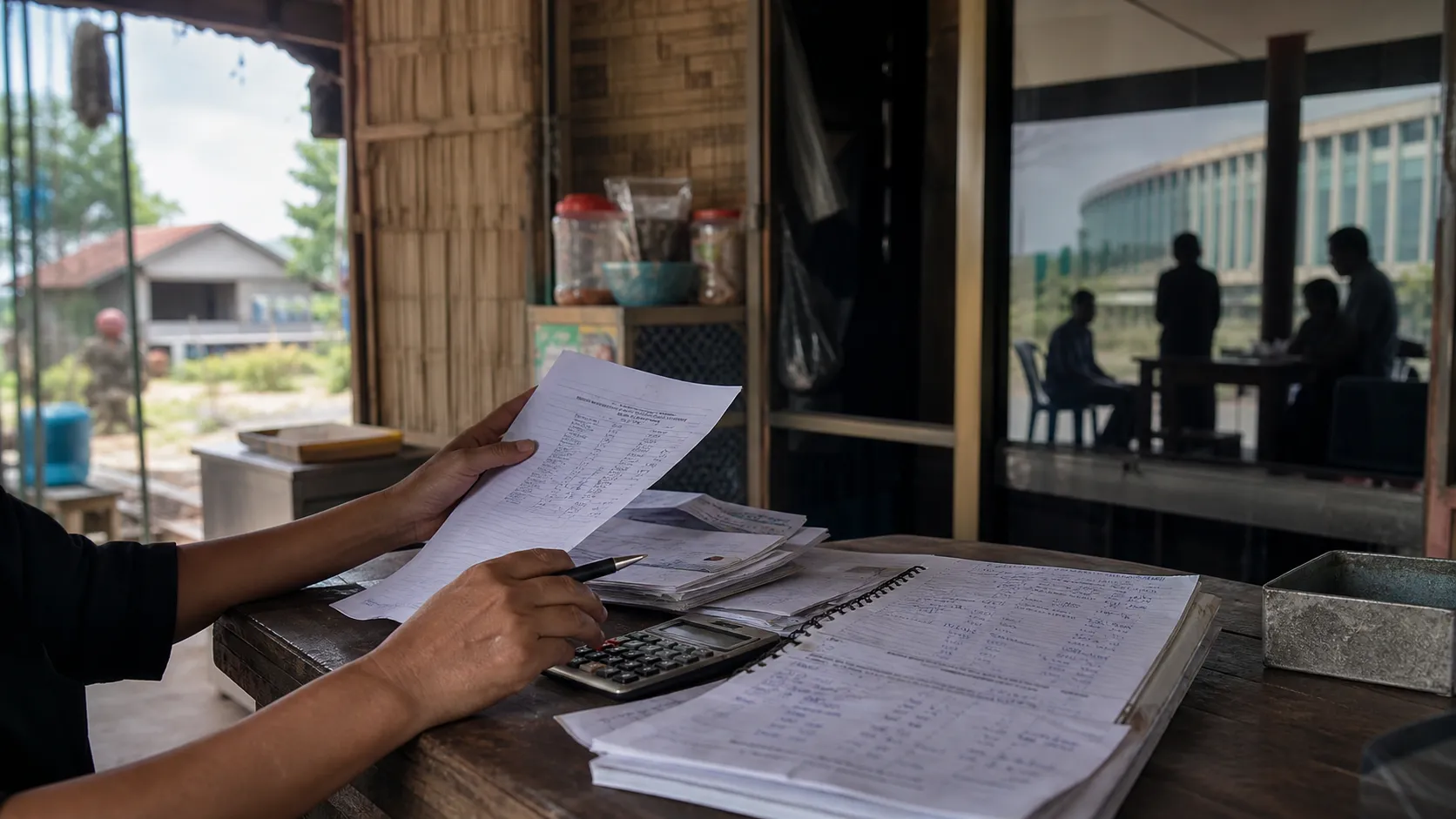
Featured image is an original conceptual illustration and does not depict a person or institution involved in the reported cases.