
Public health officials in the United States are currently heightening surveillance for a specific strain of the Mpox virus known as Clade I. While the 2022 global outbreak was primarily driven by Clade IIb, the emergence of a more virulent lineage, Clade I, has triggered new international health emergencies. As of 2026, the focus has shifted toward preventing the widespread domestic transmission of this strain, which has historically shown higher mortality rates and different transmission patterns in Central and East Africa.
Understanding the nuances of Mpox Clade I symptoms is critical for early detection and containment. This guide provides an authoritative look at the current risks in the United States, how the virus is evolving, and the practical steps individuals can take to protect their health and their communities. Unlike previous waves, the current concern involves a wider demographic, including household contacts and children, making it a high priority for US healthcare providers.
The Shift from Clade II to Mpox Clade I
The virus formerly known as monkeypox is divided into two distinct genetic clades: Clade I and Clade II. For years, the global community focused on Clade II, which caused the 2022 outbreak and was generally characterized by lower severity and a lower fatality rate. However, Clade I is the lineage that has historically caused more severe illness in the Congo Basin.
In the current health landscape, the distinction is vital. Clade I has demonstrated a propensity for more intense symptoms and, in some data sets from African regions, a case fatality rate significantly higher than its predecessor. The US Centers for Disease Control and Prevention (CDC) and the World Health Organization (WHO) have noted that while the risk to the general American public remains moderate, the potential for imported cases through international travel is a constant variable that requires vigilant monitoring.
Health systems are drawing parallels to other emerging threats. For instance, while the Oropouche virus symptoms are rising in South America, Mpox Clade I presents a unique respiratory and contact-based challenge that demands a different set of clinical protocols. The 2026 response is built on the lessons learned during the 2022 outbreak, focusing on faster diagnostic testing and broader vaccine distribution.
Identifying Mpox Clade I Symptoms in 2026
The clinical presentation of Clade I is often more robust than that of Clade II. Patients typically experience a progression of symptoms that can last between two and four weeks. Early detection is key to preventing complications such as secondary bacterial infections or respiratory distress.
The Prodromal Phase (Early Warning Signs)
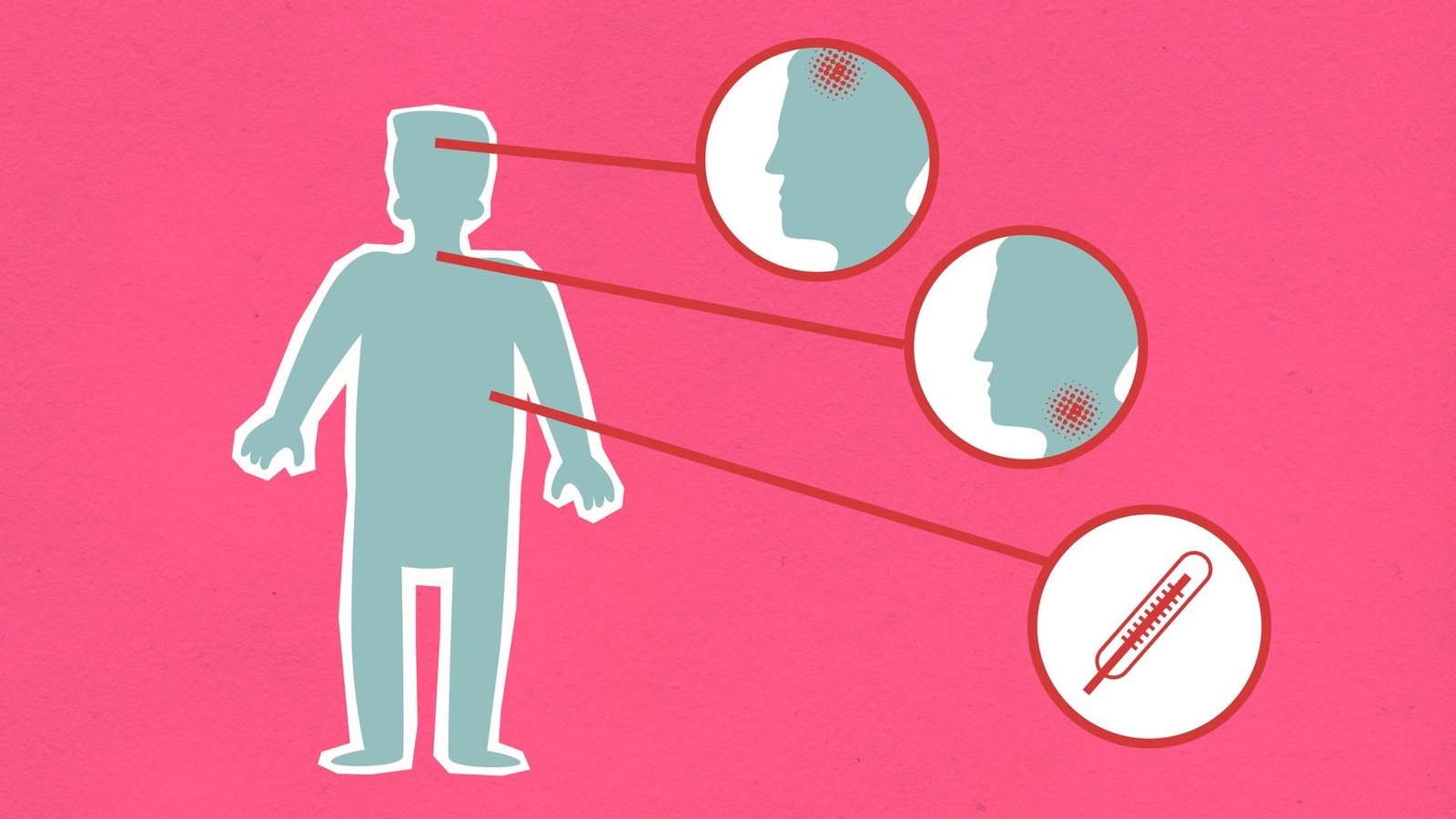
Before the characteristic rash appears, most patients enter a prodromal phase. This period is often confused with the flu or other viral illnesses. Common early signs include:
- High Fever: Usually the first sign, often exceeding 101°F. If you are tracking a fever, managing it during extreme heat can be particularly challenging and requires staying in cool, ventilated environments.
- Intense Headache: A persistent, throbbing pain that often precedes other symptoms.
- Lymphadenopathy: Swelling of the lymph nodes in the neck, armpits, or groin. This is a hallmark feature that distinguishes Mpox from smallpox or chickenpox.
- Myalgia and Fatigue: Deep muscle aches and a profound lack of energy.
The Progression of the Mpox Rash
The rash typically begins one to three days after the fever starts. In Clade I cases, the lesions may be more numerous and appear on various parts of the body simultaneously. The rash undergoes several stages:
- Macules: Flat, discolored spots on the skin.
- Papules: Slightly raised, firm bumps.
- Vesicles: Bumps filled with clear fluid.
- Pustules: Bumps filled with yellowish fluid (pus). These are often painful and itchy.
- Scabbing: The lesions eventually crust over and fall off. A person is considered contagious until all scabs have fallen off and a fresh layer of skin has formed underneath.
Mpox Clade Comparison: Key Differences
To better understand the current risk, it is helpful to compare the two primary clades of the virus. The following table highlights the epidemiological and clinical differences as recognized by global health authorities.
| Feature | Clade II (2022 Strain) | Clade I (New Outbreak Risk) |
|---|---|---|
| Historical Region | West Africa | Central Africa (Congo Basin) |
| Severity | Generally Milder | More Severe |
| Mortality Rate | Less than 1% | Up to 10% in some endemic areas |
| Transmission | Primarily Sexual Contact | Close Contact, Household & Sexual |
| Demographic Risk | Adults | Adults, Children, Immunocompromised |
US Preparedness and Outbreak Risk Factors
The US government has significantly updated its response strategy for 2026. This includes increased funding for the Strategic National Stockpile, specifically for the JYNNEOS vaccine, which has shown effectiveness against both clades of the virus. Because Clade I can spread more easily through non-sexual close contact—such as sharing bedding or respiratory droplets during prolonged face-to-face interaction—the containment strategy has widened.
Travel remains the primary vector for Clade I to enter the United States. The CDC maintains a travel advisory system that monitors regions experiencing active Clade I transmission. Travelers returning from these areas are encouraged to monitor their health for 21 days—the maximum incubation period for the virus. Healthcare providers across the country have been issued standardized diagnostic protocols to ensure that any suspected case is tested for the specific clade, allowing for more targeted public health responses.
According to the CDC’s official Mpox guidance, early testing is essential. If a patient presents with a rash that looks like Mpox, clinicians are now more likely to perform PCR testing even if the patient does not belong to a traditionally high-risk group. This shift ensures that household transmission of Clade I is caught before it can establish a foothold in local communities.
Prevention: Vaccines and Best Practices
Preventing the spread of Mpox Clade I involves a combination of medical intervention and personal hygiene. For those at higher risk, the vaccine remains the most effective tool for preventing infection or at least reducing the severity of symptoms.
The JYNNEOS Vaccine
The JYNNEOS vaccine is a two-dose series administered four weeks apart. In 2026, the US has streamlined the distribution of this vaccine to be available at most major pharmacies and local health departments. It is a non-replicating viral vaccine, meaning it cannot cause Mpox or smallpox in the recipient. Health authorities recommend the vaccine for people who have had known exposure to a person with Mpox or those who are in high-risk categories based on their behavioral patterns or occupation.
Household Safety Checklist
To reduce the risk of transmission within a home, especially if Clade I is detected in your area, follow these guidelines:
- Avoid Skin-to-Skin Contact: Do not touch the rash or scabs of a person who has Mpox.
- Laundry Hygiene: Do not share bedding, towels, or clothing. Wash items used by an infected person in hot water with standard detergent.
- Disinfection: Use EPA-registered disinfectants on high-touch surfaces such as doorknobs, counters, and bathroom fixtures.
- Handwashing: Use soap and water or an alcohol-based hand sanitizer frequently, especially after contact with potentially contaminated items.
- Respiratory Protection: While Mpox is not primarily airborne like COVID-19, it can spread via respiratory secretions during close contact. Wearing a mask in the presence of an infected individual is advised.
Treatment Options for Severe Cases
While most people recover from Mpox without medical treatment, those with Clade I or those who are immunocompromised may require antiviral therapy. The primary treatment currently used is Tecovirimat, also known as TPOXX. This drug was originally developed for smallpox but has been authorized for Mpox under an Investigational New Drug (EA-IND) protocol.
Treatment is generally reserved for patients with severe disease, such as those with lesions in sensitive areas (eyes, mouth, or genitals), or those at high risk for complications, such as people with advanced HIV or skin conditions like eczema. The medical community continues to research the efficacy of TPOXX specifically against Clade I, with clinical trials ongoing to determine if additional therapies are needed for this more virulent strain.
For more detailed global data, the World Health Organization (WHO) provides regular situation reports on the spread of Clade I across borders and the evolution of international response efforts.
What to Do if You Suspect an Infection
If you notice a new or unexplained rash, particularly if accompanied by fever or swollen lymph nodes, the first step is to isolate yourself from others. Avoid any physical contact and cover your lesions with clothing or bandages. Contact your healthcare provider immediately and inform them of your symptoms and any recent travel history.
It is important not to share personal items with anyone else in your household until you have received a definitive diagnosis. Many other conditions can mimic Mpox, including shingles, herpes, and hand-foot-and-mouth disease, but the potential severity of Clade I makes professional medical evaluation a necessity. Testing is usually a simple swab of a lesion, and results are typically available within 24 to 48 hours.
For those seeking comprehensive clinical information on how the virus interacts with the body, resources from the Mayo Clinic offer deep dives into the pathophysiology and long-term recovery process for Mpox patients.
Conclusion
Mpox Clade I represents a significant but manageable challenge to public health in 2026. While the symptoms can be severe and the virus is more virulent than the strain seen in 2022, the United States is better prepared than ever before. Through a combination of early symptom recognition, robust vaccine access, and improved diagnostic capabilities, the risk of a massive nationwide outbreak can be mitigated.
Staying informed about the latest travel advisories and maintaining good hygiene are the most effective ways for the average person to stay safe. As the situation evolves, public health agencies will continue to provide updates. By acting quickly at the first sign of Mpox Clade I symptoms, individuals can protect themselves and prevent further transmission within their communities.
Watch: A Helpful Video Guide
https://www.youtube.com/watch?v=FqI78OonYFk
Frequently Asked Questions
How is Mpox Clade I different from Clade II?
Clade I is genetically distinct and historically more severe, with higher mortality rates (up to 10%) compared to Clade II. While Clade II drove the 2022 global outbreak, Clade I has shown increased transmission through close household contact and is more likely to affect children.
Can the current Mpox vaccine protect against Clade I?
Yes, the JYNNEOS vaccine is expected to provide protection against both Clade I and Clade II. Health officials recommend the two-dose series for those at high risk of exposure.
What are the first signs of an Mpox Clade I infection?
The earliest symptoms usually include a high fever, intense headache, swollen lymph nodes, and muscle aches. A characteristic rash typically follows within one to three days.
Is Mpox Clade I airborne like COVID-19?
Mpox is not considered a primary airborne virus. It spreads mainly through direct skin-to-skin contact with lesions, contact with contaminated items like bedding, or through large respiratory droplets during prolonged, close face-to-face interaction.
How long is a person contagious with Mpox?
A person is contagious from the moment symptoms start until the rash has fully healed, all scabs have fallen off, and a new layer of skin has formed. This process usually takes two to four weeks.