A significant health alert from the Centers for Disease Control and Prevention (CDC) has recently highlighted a sharp increase in human Parvovirus B19 activity across the United States. While traditionally known as a childhood illness characterized by the iconic ‐slapped cheek‐ rash, the current 2025-2026 surge is seeing a rise in Parvovirus B19 symptoms in adults. For most people, the virus causes mild, flu-like symptoms, but for specific high-risk groups, the implications can be severe.
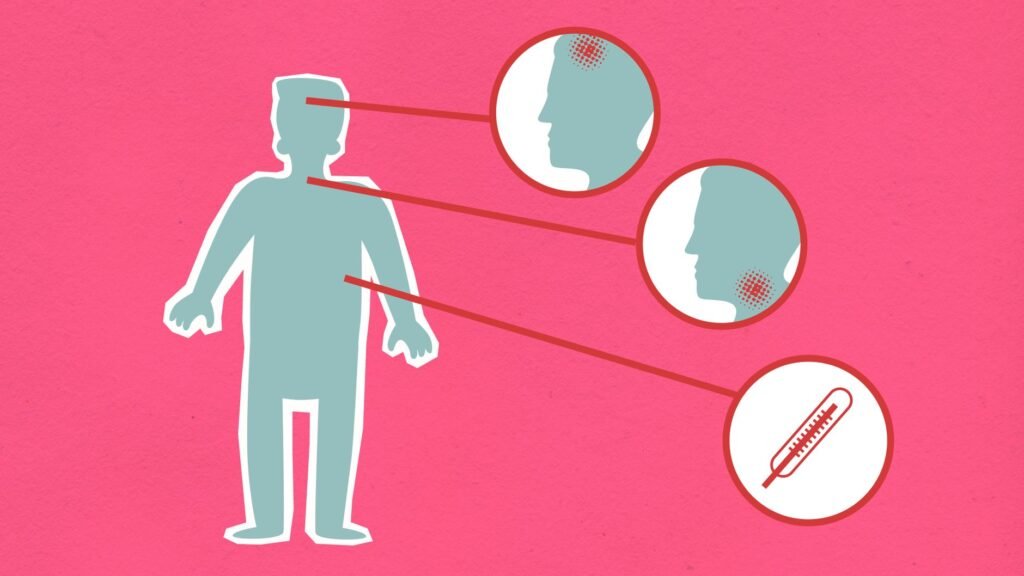
Public health officials have noted that the virus is circulating at levels higher than seen in the last several years. This trend follows a pattern observed in many respiratory and viral illnesses that saw suppressed transmission during the pandemic years, only to return with renewed vigor. Understanding the specific manifestations of this virus in adults is crucial, as the presentation differs significantly from what is typically seen in children. Unlike many other viral concerns like Bird Flu symptoms in humans, Parvovirus B19 is a common human virus that does not originate from the food supply but spreads through respiratory droplets.
What is Parvovirus B19?
Parvovirus B19 is a highly contagious human virus. It is the cause of erythrovirus infection, commonly referred to as “Fifth Disease” because it was historically the fifth illness on a list of common childhood rash-producing diseases. It is important to distinguish this from canine parvovirus; humans cannot catch parvovirus from dogs, and dogs cannot catch B19 from humans.
The virus primarily targets erythroid progenitor cells in the bone marrow—the cells that eventually become red blood cells. In healthy individuals, this temporary pause in red blood cell production goes unnoticed. However, in individuals with underlying blood disorders or weakened immune systems, this mechanism can trigger serious complications. As we monitor other risks like Mpox Clade I symptoms, Parvovirus B19 remains a distinct threat due to its high transmission rate in schools and communal settings.
Key Parvovirus B19 Symptoms in Adults
While children often get the bright red facial rash, adults frequently experience a different set of symptoms. In many cases, an adult may never develop a rash at all, making diagnosis difficult without a blood test.
1. Flu-Like Symptoms
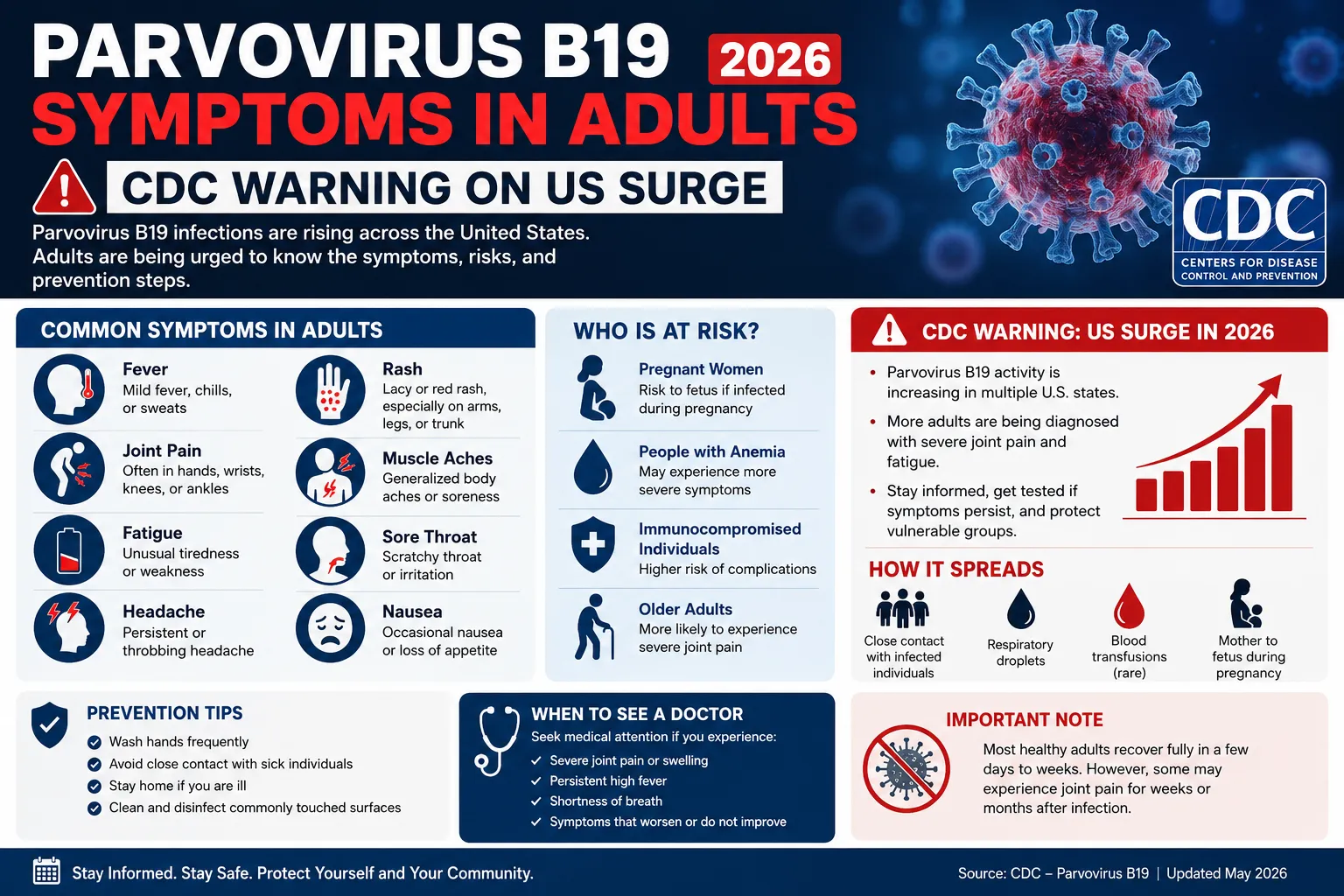
The initial phase of the infection usually mirrors a common cold or mild flu. This typically occurs 4 to 14 days after exposure. Symptoms include:
- Low-grade fever and chills.
- Severe fatigue and malaise.
- Mild sore throat.
- Headaches and muscle aches.
- Upset stomach or diarrhea.
2. Joint Pain (Polyarthropathy Syndrome)
The most common and distressing symptom for adults is joint pain and swelling, known as polyarthropathy syndrome. This occurs in up to 50% of adult cases and is more prevalent in women than men. The pain typically affects both sides of the body symmetrically, most often in the hands, wrists, knees, and ankles. While this pain usually subsides within a few weeks, in some instances, it can persist for months, mimicking rheumatoid arthritis.
3. The Adult Rash
If a rash does appear in adults, it is rarely the “slapped cheek” variety. Instead, it often manifests as a lacy, red, slightly itchy rash on the trunk, arms, or legs. This rash may come and go for several weeks, often flaring up when the person is exposed to sunlight, heat, or stress.
Comparing Parvovirus B19 to Other Common Viruses
Because the symptoms of Parvovirus B19 in adults are so non-specific, it is often confused with other illnesses. The following table provides a quick reference for differentiation.
| Symptom | Parvovirus B19 (Adults) | Seasonal Flu | Measles |
|---|---|---|---|
| Fever | Low-grade or absent | High (101+) | High and persistent |
| Rash Type | Lacy, faint on limbs | None | Deep red, starts on face |
| Joint Pain | Common and severe | General body aches | None |
| Respiratory | Mild (cold-like) | Cough, congestion | Severe cough, runny nose |
| Contagion | Before rash appears | First 3–4 days | Highly contagious via air |
Why the 2026 Surge is Concerning
According to a CDC Health Alert Network (HAN) message, the current surge is characterized by a higher-than-normal percentage of positive antibody tests. Data from commercial laboratories suggests that the proportion of people with IgM antibodies (indicating a recent infection) has risen across all age groups.
The concern isn’t just the number of cases, but who is being affected. Teachers, daycare workers, and parents of young children are at the highest risk for exposure. Because the virus is most contagious before the rash or joint pain begins, it spreads rapidly through schools before anyone realizes an outbreak is occurring.
Risks for Pregnant Women and High-Risk Groups
While most adults recover fully with rest, certain groups must take extra precautions and consult healthcare providers immediately upon exposure.
Pregnancy and Fetal Risks
If a woman who is not immune to Parvovirus B19 becomes infected during pregnancy, the virus can cross the placenta. Because the virus attacks red blood cell precursors, the fetus can develop severe anemia. In rare cases (less than 5% of infections during pregnancy), this leads to fetal hydrops—a condition where fluid builds up in the fetus’s body—which can be fatal. The Mayo Clinic emphasizes that while most pregnant women are already immune or will have healthy babies even if infected, specialized ultrasound monitoring is required after exposure.
Immunocompromised Individuals
For those with HIV, organ transplants, or cancer, the body may not be able to clear the virus. This can lead to chronic, severe anemia requiring blood transfusions or intravenous immunoglobulin (IVIG) therapy.
People with Blood Disorders
Individuals with Sickle Cell Disease or Thalassemia are at risk for an “aplastic crisis.” Because their red blood cells already have a shorter lifespan, even a brief pause in production caused by the virus can lead to a dangerous drop in hemoglobin levels.
Steps to Take: Exposure Checklist
If you suspect you have been exposed to Parvovirus B19 or are experiencing symptoms, follow this checklist to manage your health and prevent spread:
- Confirm Exposure: Identify if there has been a confirmed case in your household or workplace.
- Isolate Early: Since you are most contagious during the “cold-like” phase, stay home if you have a fever or respiratory symptoms.
- Consult a Provider: If you are pregnant or immunocompromised, call your doctor immediately for a blood test to check for immunity (IgG) or recent infection (IgM).
- Manage Pain: Over-the-counter anti-inflammatory medications (NSAIDs) like ibuprofen can help with joint swelling, but consult a doctor first, especially if pregnant.
- Hydrate: Viral infections put a strain on the body; maintain high fluid intake to support recovery.
Prevention and Community Protection
Currently, there is no vaccine for Parvovirus B19. Prevention relies entirely on hygiene and public health awareness. The CDC recommends the following standard precautions:
Frequent handwashing with soap and water for at least 20 seconds is the most effective way to kill the virus. Avoid touching your eyes, nose, and mouth with unwashed hands. Additionally, cleaning frequently touched surfaces like doorknobs, toys, and countertops in schools and homes can help break the chain of transmission.
For workplace safety, employers in high-risk environments (like elementary schools) should encourage staff to report rashes or joint pain early. Pregnant employees should consult their OB-GYN about whether they should seek temporary reassignment if an active outbreak is confirmed in their specific classroom.
Looking Ahead: The Duration of the Outbreak
Viral cycles like this often last for several months to a year as the virus moves through susceptible populations. Health experts believe the 2026 surge will likely peak in the spring, as Parvovirus B19 historically shows seasonality during the late winter and spring months. By staying informed about Parvovirus B19 symptoms in adults and maintaining vigilant hygiene, most individuals can navigate this outbreak with minimal risk.
Watch: A Helpful Video Guide
https://www.youtube.com/watch?v=F01qCunXf0c
Frequently Asked Questions
Can adults get the slapped cheek rash from Parvovirus B19?
It is rare. While children frequently develop the bright red facial rash, adults are more likely to experience severe joint pain or a faint, lacy rash on their limbs and trunk, or no rash at all.
How long does Parvovirus B19 joint pain last in adults?
For most adults, joint pain and swelling (polyarthropathy) last for 1 to 3 weeks. However, in some cases, the pain can persist for several months.
Is Parvovirus B19 dangerous during pregnancy?
Most pregnant women are immune or have healthy outcomes. However, if a non-immune woman is infected, there is a small risk (less than 5%) of the fetus developing severe anemia or hydrops fetalis, which requires medical monitoring.
How is Parvovirus B19 transmitted?
It spreads through respiratory droplets when an infected person coughs or sneezes. It can also be transmitted through blood or from a mother to her fetus during pregnancy.
When is a person with Parvovirus B19 most contagious?
You are most contagious during the initial flu-like phase (fever and runny nose) before the rash or joint pain appears. Once the rash starts, you are generally no longer considered contagious.